
A steam hose inspection checklist is a three-stage routine: a full check before first service, a check at least once every 24 hours during continuous steaming, and a scheduled check at a defined interval. The first stage sets the baseline, the second catches change early, and the third closes the record compliance expects.
Steam is the service where this matters most, because a released joint scalds and steam carries far more stored energy than air or water at the same pressure. This guide sets out what each stage covers and the findings that retire an assembly immediately. It then covers the role of the restraint cable, the periodic hydrostatic pressure test, how to set the inspection interval, and the compliance frame a documented routine has to satisfy.
Inspection here means the visual and physical checks; the pressure test is a separate scheduled event with its own procedure and record.
About a 15-minute read at 250 words per minute; the checklist tables are built to be printed.

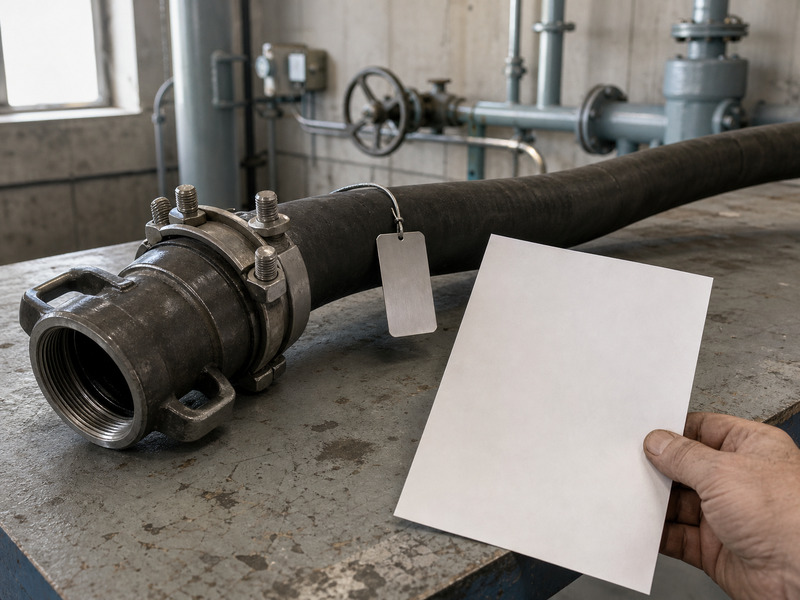
Figure 1. Checking a clamped steam hose end during a steam hose inspection, with the tag and checklist at hand.
What a Steam Hose Checklist Has to Cover
A checklist is only useful if it covers the parts that actually fail and records the answer. On steam, the candidates are the cover, the reinforcement underneath it, the joint at each end, and the whip check fitted across the joint.
The cover is the first indicator because it is visible. The joint is the highest-consequence item because it is where a release happens. The whip check is the mitigation if the joint does fail, which is why it is inspected rather than simply fitted and forgotten.
Table 1. The steam hose inspection checklist by item and stage, with what to look for at each one.
| Item | What to look for | Why it is on the list | Check at |
|---|---|---|---|
| Cover | Blisters, hardening, cracks, exposed reinforcement | The cover shows internal damage from outside | Pre-use, daily, periodic |
| Reinforcement | Any wire visible through or beside the cover | A breach in the pressure path | Pre-use, daily, periodic |
| Joint at each end | Tail movement, extruded rubber, bolt condition | Where a release actually happens | Pre-use, daily, periodic |
| Seat or sealing face | Damage, grit or a visible weep | The point that seals the connection | Pre-use, periodic |
| Whip check safety cable | Fitted, secure at both ends, not worn through | The mitigation if a joint releases | Pre-use, daily |
| Tag and record | Present, legible, next inspection date current | Turns an inspection into a history | Pre-use, daily, periodic |
What the Cover Can and Cannot Tell You
The cover shows the condition of the layers beneath it, so the checklist reads it as evidence rather than as a verdict. The perforations in a pin-pricked cover vent gas by design, which is why a blister means gas is collecting instead of venting. Hardening and exposed wire mean the cover has already failed as a cover.
The Three-Stage Steam Hose Inspection Routine
The routine is built on three frequencies because the questions asked at each one are different. A single annual inspection would answer none of them, and a continuous visual check would answer only the first.
Stage One: Before the Assembly Goes Into Service
The baseline check happens before the assembly carries steam for the first time. Confirm the assembly rating against the duty it was selected for. Confirm the cover is sound and the coupling and the clamp are a matched pair. A whip check safety cable must be fitted, and the tag must be present and legible.
A baseline check is what makes every later check meaningful. Without it, a finding has nothing to be compared against, and a joint that was assembled badly is indistinguishable from one that has degraded.
Stage Two: At Least Once Every 24 Hours During Continuous Steaming
Where a line runs continuously, the couplings are checked at least once every 24 hours. The check is short: cover condition, joint condition, restraint condition, and any visible steam leak.
The 24-hour frequency is a floor rather than a target. Continuous duty is where the hose is hottest for longest and where the rubber takes compression set fastest, so it is the condition that produces the fastest change.
Table 2. The three stages of a steam hose routine.
| Stage | When it happens | What it establishes |
|---|---|---|
| Baseline | Before the assembly enters service | The condition the later checks are compared against |
| In-service | At least once every 24 hours during long periods of continuous steaming | That the assembly is still fit to stay in service today |
| Scheduled | At the plant’s defined interval | The record, including the joint re-check and any retest |
Stage Three: The Scheduled Interval
The scheduled stage is the one that produces a record. It repeats the in-service checks, adds the joint re-check, and confirms that the tag data and the plant register still agree.
The interval is set by the plant against the duty, above the floor the industry guide sets, and it is reviewed when a duty changes. A line that has been uprated or has moved to continuous running has changed the conditions the interval was set against.
Setting the Steam Hose Inspection Interval
The inspection interval is a decision, and the industry guide sets a usage-based floor under it: the harder the duty, the shorter the published frequency. Above that floor the plant sets its own interval from four inputs. Duty severity sets the starting point, the consequence of a failure adjusts it, statutory or site requirements set a ceiling, and the history of comparable assemblies tunes it over time.
Plants that set an interval and never revise it end up with an inspection that either misses changes or wastes time confirming that nothing has happened.
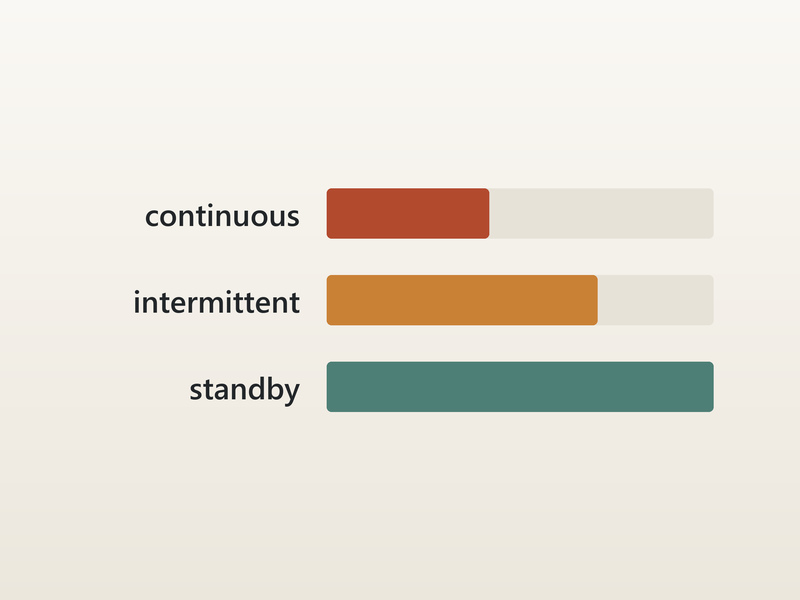
Figure 2. The inspection interval follows the duty. Continuous steaming justifies the shortest interval, and standby service tolerates a longer one because the hose spends less time hot.
Why Continuous Duty Sets the Shortest Interval
Continuous steaming keeps the hose at temperature, keeps condensate moving through it, and keeps the joint under thermal load. The rubber under the clamp takes compression set faster, so the clamping load falls faster than it would on an intermittent line.
That is why the 24-hour check applies to long periods of continuous steaming specifically rather than to every assembly on site. The frequency follows the condition rather than the asset count.
Intermittent duty sits between continuous and standby duty, because the hose is hot for part of the cycle and cold for the rest. Standby duty tolerates the longest of the three, because it is at temperature least often. The ranking sets order, not dates; the dates come from the plant’s interval and the guide’s floor.
Why the Interval Should Be Based on the Assembly and Not the Line
An interval applied to a line rather than to an assembly misses the fact that assemblies move. A hose that has been swapped between duties, or rebuilt with a different coupling, has a different history from the line it currently sits on.
Running the interval against the assembly tag is what keeps the record honest. It also means a rebuilt assembly starts its clock again, which is the correct treatment for a joint that has been re-made.
Rejection Criteria for a Steam Hose
A checklist needs findings that end the discussion rather than start a watch list. The findings below take an assembly out of service on discovery, and none of them is a matter of degree.
The reason for the firmness is steam. A hose kept in service because it still holds pressure is a hose whose remaining margin is unknown, and on steam the margin is the thing that protects people.
Withdrawal is a physical act rather than a note in a book. Isolate the assembly, release the pressure, drain the condensate, then remove it from the run and tag it with the finding and the date. A tagged assembly stays out of the rack until the seat, the joint or the length has been replaced and the record says so.
Table 3. Findings that withdraw a steam hose assembly from service immediately.
| Finding | What it indicates | Action |
|---|---|---|
| Blistering on the cover | Gas collecting between the layers | Withdraw the assembly |
| Hardening, cracks or exposed reinforcement | The cover has aged past its condition or been breached | Withdraw the assembly |
| Kinking that does not recover | Damage to the wire reinforcement | Withdraw the assembly |
| Tail movement or extruded rubber at the joint | The clamping load has dropped | Withdraw the assembly |
| A bolt that will not hold its figure | Thread or seat damage in the clamp | Withdraw the clamp and the assembly |
| Any visible steam leak | A joint or a wall that has already failed | Isolate and withdraw the assembly |
Why a Weep Is Not a Watch Item on Steam
A small weep on a water line can be monitored for a shift. On steam, a weep is a leak path that has already opened, and the path tends to open further rather than settle. A joint that weeps is doing so because something has changed, and the change is not reversible by waiting.
The correct treatment is to take the assembly out of service, replace the seat or the joint as appropriate, and record what was found. A record of the finding is what makes the next inspection faster.
Why the Reinforcement Check Is Visual and Not Optional
The reinforcement carries the pressure, and it sits under the cover. Routine assessment of the reinforcement is indirect: look for the signs that the cover has been breached, or that the hose has been kinked badly enough to damage the wire.
Where the cover is intact and the run has not been kinked, the reinforcement is protected. Where either has happened, the assembly is withdrawn rather than inspected further.
A checklist is a screen, not a proof. It reads the cover, the joint and the restraint, and it cannot see the tube wall or the wire under the cover. An assembly that passes every visual item can still be unfit, which is the reason the scheduled pressure test exists as a separate activity.
The Joint and the Clamp: The Critical Check
The joint gets its own section because it needs a different inspection method from the rest of the assembly. Cover condition is assessed by looking; joint condition is assessed by hand. Re-tightening is a separate, recorded step.
That is also where the adjustment requirement comes in. An end connection on steam has to allow its clamping force to be adjusted as the rubber takes compression set, which means the joint is inspected against a figure rather than against an appearance. The hose clamp selection guide covers the figure by clamp type.
The Re-Tightening Step After the First Heat Cycles
Re-tightening is a cold, isolated job: isolate the line, release the pressure, drain the condensate and let the assembly cool before the clamp is touched.
After the first operating cycles, the rubber under the clamp has taken most of the compression set it will take. That is the point at which the joint is re-checked and brought back to the maker’s figure.
The re-tightening step is documented rather than discretionary, which is why it belongs on the checklist and on the assembly tag. A joint re-tightened to a guessed value is a joint that has been changed without being recorded.
Why the Restraint Is Part of the Joint Check
A whip check safety cable is fitted across a joint so that the two ends cannot separate freely if the joint does release. It does not prevent the failure, and treating it as a substitute for the joint check is the common misreading.
Inspect the cable as part of the joint check: fitted across every junction, secure at both ends, and not worn through where it bears on the coupling. A cable that has been stretched or partly cut has already done its job once and is due for replacement.
When a Hydrostatic Pressure Test Is Used
A periodic hydrostatic pressure test is the check that examines the assembly as a pressure vessel rather than as a component. It is applied to the assembly rather than to the hose alone, because the assembly is what goes into service.
The test is a scheduled activity rather than a routine one, and it is carried out to a defined procedure with the result recorded. It is also the natural point at which a rebuilt assembly is confirmed before it goes back into a critical duty.
Steam Hose Inspection and the Compliance Frame
A documented routine has to sit inside a compliance frame, and on steam there are five references a plant should expect to work to. Each covers a different part and none replaces the others. The two pressure-equipment frames apply by jurisdiction, not as a hierarchy.
The frame matters practically as well as legally. Where an incident is investigated, the first question is whether a routine existed, whether it was followed and whether the results were recorded.
Table 4. The compliance references a steam hose inspection routine works within.
| Reference | What it covers | What you must hold |
|---|---|---|
| ARPM IP-11-1 | Use, testing and inspection practice for steam hose | Written inspection procedure and records |
| NAHAD Industrial Hose Assembly Guidelines | How an assembly is made and rated | Assembly rating record |
| ISO 6134:2024 | Steam hose requirements, including the adjustable end fitting | Product marking and identity |
| Directive 2014/68/EU | The European pressure equipment frame | Technical documentation and marking |
| Pressure Systems Safety Regulations 2000 | The UK frame for pressure systems in use | Written scheme of examination |
Why ARPM IP-11-1 Is the Anchor for the Inspection Content
ARPM IP-11-1 is the use, testing and inspection guide for steam hose, and it is the reference that most directly answers what a routine should contain. It is the natural anchor for the checklist rather than for the product specification.
Using it as the anchor also gives the routine a defensible shape. A plant can show its checklist against a published industry guide rather than only an internal note.
Why the Rest of the Frame Cannot Be Skipped
The product standard sets what the hose and the joint have to do. The assembly practice sets what the finished assembly is rated for. The pressure equipment frame sets what has to be documented and examined once the assembly is in use.
A routine that covers only the visual checks satisfies none of them fully. The record of the rating, the adjustment and the scheduled examination is what makes the visual checks part of a system rather than a habit.
Recording the Results
The record is what turns a routine into evidence. It is also the cheapest part of the whole process, and the part most often left to memory.
A record does not need to be elaborate. It needs the fields set out below, filled in the same way every time.
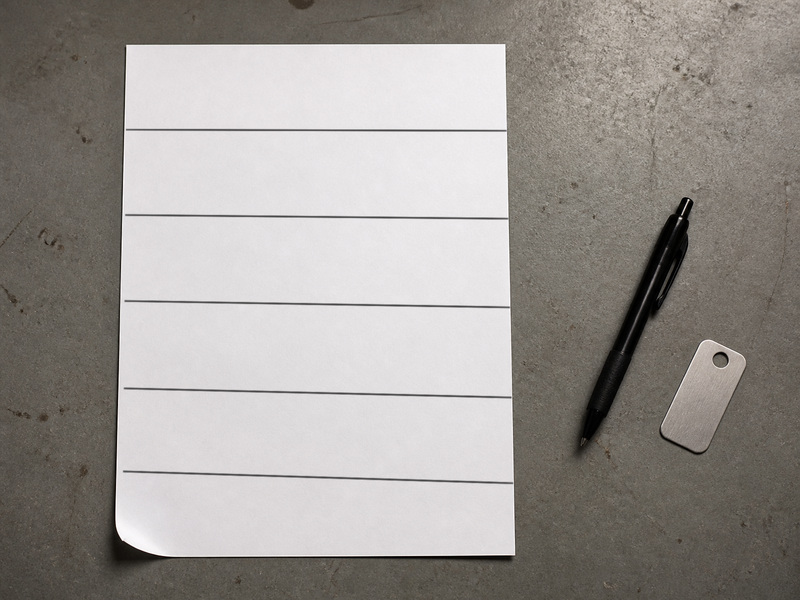
Figure 3. The fields a record needs: assembly identifier, date, stage, findings, action taken and who checked it.
What the Record Should Contain
Each record should carry the assembly identifier from the tag, the date of the check, the stage of the routine it belongs to, the findings, the action taken, and who checked it. Where an assembly is withdrawn, the reason should be recorded in the same language the checklist uses.
Grouping records by assembly rather than by date is what makes a history readable. A single page per assembly, with the checks in order, answers the whole question at once.
Why Records Support Replacement Planning Too
A record set is also the data a plant uses to plan replacements. Assemblies that consistently reach the planning figure suggest the duty was assessed correctly. Assemblies that are withdrawn early are telling you something about a duty, a routing or a storage practice.
As a planning figure, plants commonly replace steam hose in the region of three to five years, and earlier where the duty is severe. Age is counted from the date of manufacture rather than the date of installation, so the date on the hose is the one used for planning.
Steam Hose Inspection FAQs
What should a steam hose inspection checklist contain?
Check the cover for blisters, hardening, cracks and exposed reinforcement. Check each joint for tail movement, extruded rubber and bolt condition. Confirm the whip check safety cable is fitted and secure, and that the tag and the record are current. The joint carries the highest consequence.
How often should a steam hose be inspected?
Check the couplings before the assembly goes into service, and at least once every 24 hours during long periods of continuous steaming. A scheduled check then takes place at the plant’s defined interval, which is set against the duty. A single annual inspection misses the change that happens within a week.
Why is a small steam leak treated so seriously?
Because a weep on a steam joint is a leak path that has already opened, and it tends to open further rather than settle. Steam also carries far more stored energy than air or water at the same pressure, so the consequence of a full release is more severe. A weeping joint is withdrawn rather than monitored.
What is the whip check for?
It is a restraint fitted across a joint so that if the joint does release, the two ends cannot separate freely. It limits the consequence rather than preventing the failure. It is inspected as part of the joint check and replaced if it has been stretched or partly cut.
When is a hydrostatic pressure test carried out?
As a scheduled check rather than a routine one, applied to the assembly rather than to the hose alone because the assembly is what enters service. It is carried out to a defined procedure with the result recorded, and it is the natural point at which a rebuilt assembly is confirmed before a critical duty.
Why does the joint need re-tightening after it is built?
Because rubber held in compression at steam temperature gradually takes compression set and stops pushing back, so the clamping load falls after the first heat cycles. Nothing is broken and nothing was done badly. The joint simply needs to be brought back to its figure once the set has happened.
What findings take a steam hose out of service immediately?
Blistering on the cover, hardening, cracks or exposed reinforcement, a kink that does not recover, tail movement or extruded rubber at the joint, a bolt that will not hold its figure, and any visible steam leak. Each of these is a withdrawal condition rather than something to monitor.
Which standard covers steam hose inspection?
ARPM IP-11-1 is the use, testing and inspection guide for steam hose and is the natural anchor for the checklist content. Product requirements sit in ISO 6134:2024 and assembly rating practice comes from NAHAD. The in-use frame is set by Directive 2014/68/EU in the EU and by the Pressure Systems Safety Regulations 2000 in the UK.
How long should a steam hose stay in service?
Three to five years is the usual planning figure, and less where the duty is severe. Age is counted from the date of manufacture rather than the date of installation, and the assembly records are what show whether a given line fits that pattern.
About HENGHUA and Steam Hose Supply
HENGHUA manufactures steam hose, industrial hose and hydraulic hose for plants, distributors and equipment builders worldwide. The steam range uses an EPDM tube and a high-tensile steel wire reinforcement, with an evenly pin-pricked cover, and every assembly is hydrostatically tested to its rated working pressure before dispatch.
On the fittings side we supply the ground joint coupling family, bolted safety clamps and the matched bolt kits that go with them. We also state the torque figure for the clamp and hose actually supplied, rather than leaving the plant to look one up. Assemblies can be crimped or built with clamps and matching tails.
Two things we tell buyers plainly. An assembly is rated by its weakest part, so we quote the assembly figure rather than repeating the hose rating. And a working rating is only valid inside an envelope, so we ask for the system pressure and the steam condition before recommending a product.
For the operating practices that sit alongside this routine, the steam hose best practices guide covers the day-to-day side. The steam hose fittings guide covers the two hardware families, and the saturated steam hose guide covers the material and standard side.
Tell us the duty and the steam hose inspection routine you work to, and we will confirm the product, the end connection and the figure to record. Get a quote and free samples, or start from the steam hose category and the EPDM steam hose 170 °C page.
About the author: Written by the HENGHUA Engineering Team, hose application engineers and assembly specialists supporting hose selection, end connections and pressure testing for industrial, marine, food processing and mobile equipment customers. The inspection and testing practice described here reflects our own bench and field service experience with both steam hose constructions, together with the hydrostatic testing and batch traceability records held for every shipment.

 English
 Spanish
 Portuguese
 French
 German
 Arabic
 Russian
 Indonesian
 Japanese
 Korean