
Steam hose fittings are bought as a pair: a ground joint coupling that seals the steam end, and a clamp that holds that coupling onto the hose shank. One family carries the sealed steam path, the other keeps the joint attached while the rubber runs hot. Neither is complete at a steam line end on its own.
This hub explains both families together, because that is how they are specified. It covers the three-piece ground joint set and its ridge, the interlocking and bolted clamps built to grip it, the sizes, materials and threads involved, how the two are matched, and why quick-release couplings are excluded from steam.
About a 13-minute read at 250 words per minute; the tables are sized for a quick scan.

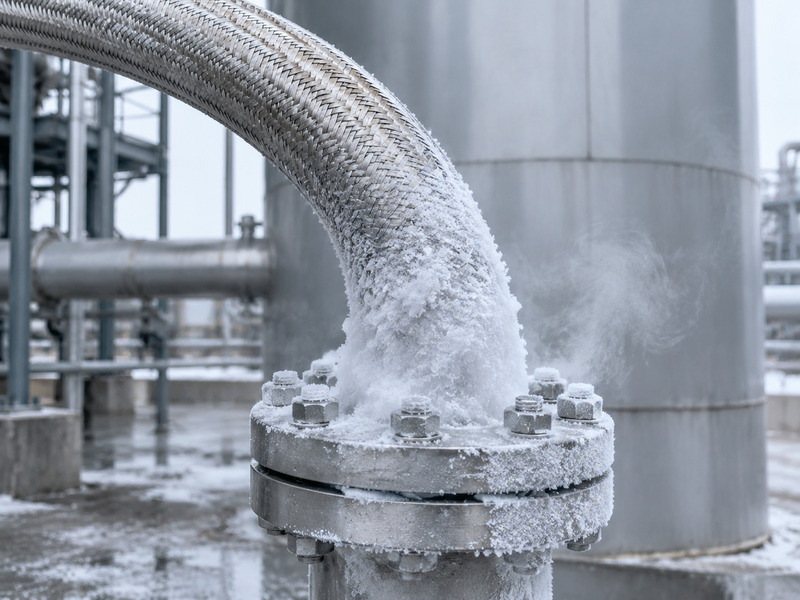
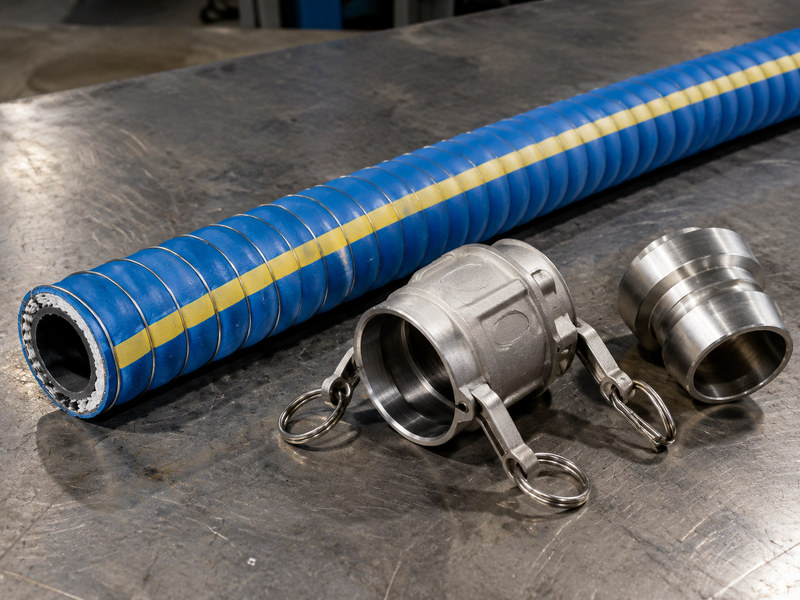
Figure 1. A steam hose end is two families meeting. The coupling seals and threads to the equipment, while the clamp grips the shank and holds it.
Which Two Steam Hose Fittings Families End a Steam Hose?
Every steam end is where two hardware families meet, and each answers a different question. The coupling family is the metal body that threads to the equipment and seals the steam path. The clamp family is the band that grips the hose shank and holds that body in place. Buying them on separate orders is the usual route to a mismatch.
The two families have to be chosen as one set. A coupling with an interlocking ridge needs a clamp shaped to engage that ridge. A plain band on the same coupling grips rubber alone, so the joint depends on friction against a material that softens as it heats.
Table 1. The two hardware families at a steam hose end, plus the attachment option that finishes the assembly.
| Family | What it does at the end | Common forms |
|---|---|---|
| Coupling | Seals the steam path and threads to the equipment | Ground joint coupling, threaded adapter, flanged body |
| Clamp | Grips the hose shank and holds the coupling | Interlocking hose clamp, bolted safety clamp |
| Attachment | Applies the clamp load to the rubber | Clamp on the shank, or a crimped ferrule |
Why a Coupling and a Clamp Are Not Interchangeable
A coupling is selected for the steam path and the thread, while a clamp is selected for the hose shank and the ridge on the coupling. A clamp rated for a hose bore says nothing about the body bolted to it. Swapping one without checking the other is how a joint that held for years starts seeping after a single repair.
Reading both families from one reference keeps the pair in view. The complete guide to hose couplings shows how broadly couplings are classified before a steam duty narrows the field to two families.
Where One Family Stops and the Other Begins
The dividing line between the two families is the hose shank. Everything up to and including the shank belongs to the coupling, and everything that presses the rubber onto the shank belongs to the clamp. That split matters when a plant orders a body by bore and then finds the band must match a ridge instead.
Inside the Ground Joint Coupling: The Boss Ground Joint Set
A ground joint coupling, also called a boss ground joint, is a three-piece end. It pairs a hammer-lug swivel female, the lugged body that takes a hammer tap, with a spud that carries the matching seat. The female turns while the spud stays fixed, so the hose side can be threaded without twisting the hose.
The set earns its name from a lapped metal-to-metal seat that lets the joint seal hand-tight, and the ground joint couplings for steam guide covers that sealing action in full.
The spud is offered with a copper seat or a brass seat. The bore can remove that choice: at the smallest bores and at 6 in, the spud comes with a copper seat and no brass alternative. Confirm the seat with the size, not with preference. Where a plant prefers a replaceable soft seal, a washer-style alternative uses a nitrile-bonded non-asbestos gasket or a brass washer instead of the lapped seat.
A ground joint body also carries an interlocking ridge. That ridge is the feature the clamp family is built to grip, and it is what ties the two families together at the shank. A boss ground joint without the matching clamp is only half an assembly.
Table 2. The ground joint coupling range at a glance.
| Feature | Options | Note |
|---|---|---|
| Bore range | 1/4 in to 6 in | Covers small utility sizes and large transfer sizes |
| Body material | Brass, plated steel, 316 stainless steel, malleable iron | Chosen for the medium and the environment |
| Thread | NPT or BSPT | Matched to the equipment port |
| Seat | Copper seat spud or brass seat spud | Small bores and the 6 in size are copper seat only |
| Sealing style | Lapped seat, or a washer-style gasket | Two approaches to the same joint |

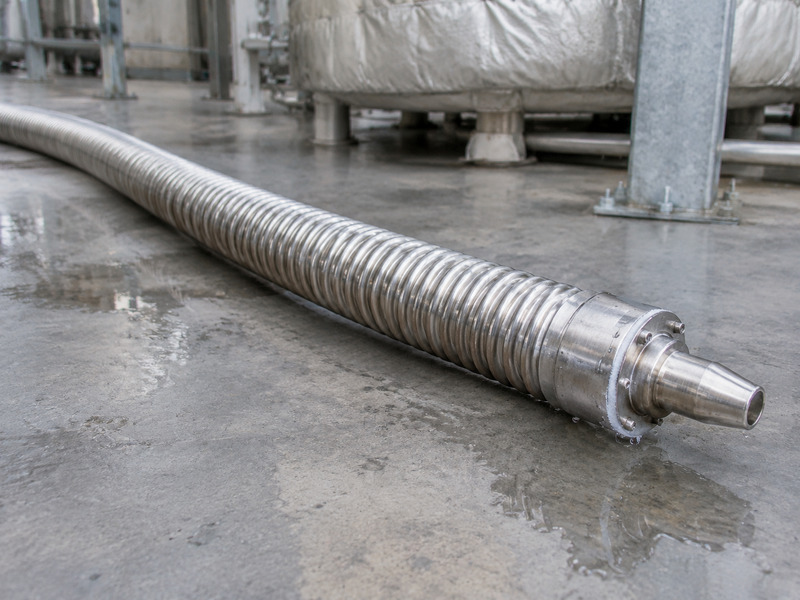
Figure 2. Taken apart, the boss ground joint shows which surface seals and which face is machined for the clamp.
The Washer-Style Alternative
Not every plant wants a lapped seat. The washer-style version seats on a nitrile-bonded non-asbestos gasket or on a brass washer, so the seal is a replaceable part rather than a refinished face. Both styles share the same lugged body, the same ridge and the same clamp family.
Why the Ridge Decides the Clamp
The ridge is not decoration. It is a machined lip that a matching clamp engages, and it is the reason a ground joint end is specified with one clamp rather than with any band of the right bore. Confirm the ridge whenever you confirm the coupling.
The Interlocking Hose Clamp and the Bolted Steam Clamp
The clamp family holds the shank, and its members are not interchangeable. The interlocking hose clamp is a U-bolt design whose saddles are shaped to sit over the coupling ridge. That engagement adds mechanical grip, so the end resists pull-off instead of relying on friction alone.
The interlocking clamp uses non-standard bolts. The thread and the length are specific to the clamp body, so a generic bolt of the same diameter will not seat correctly. Lost bolts are replaced from the matched kit rather than from a parts bin, and this is the most common assembly error at a steam end.
Clamp selection is therefore a matching exercise rather than a bore-and-order exercise. Take the coupling part number to the clamp supplier, and confirm that the saddles and the ridge are designed for each other before the assembly is built.
The bolted safety clamp is the re-torqueable member of the family. Its bolts can be tightened again after the rubber takes its first compression set, which is what the adjustable clamping-force requirement in ISO 6134:2024 describes. It suits a duty that cycles hot and cold many times. Re-tighten to the maker’s figure rather than to a guessed value.
A W-type or double-bolt clamp is a general industrial clamp. It is built for common hose and common bolts, and it must not be mixed with the non-standard bolt parts a ground joint interlock needs. Fitting one in place of the other leaves the ridge unengaged.

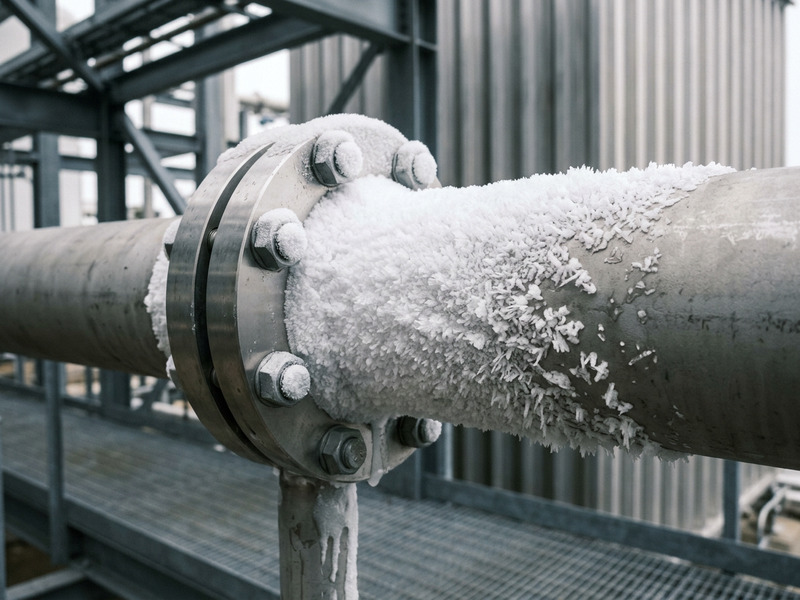
Figure 3. The clamp family is built around the shank. An interlocking clamp engages the coupling ridge, while a bolted clamp can be re-tightened after the rubber takes its set.
Table 3. Clamp types and where each one fits.
| Clamp type | How it grips | Where it fits |
|---|---|---|
| Interlocking clamp | U-bolt saddles engage the coupling ridge | Ground joint ends that need added shank retention |
| Bolted steam clamp | Bolts compress the shank and can be re-torqued | Duties that cycle hot and cold many times |
| W-type double-bolt clamp | Two bolts on a standard body | General industrial hose, not a ground joint interlock |
| Crimped ferrule | A permanent sleeve pressed onto the shank | Shop-built assemblies using a long ferrule and coupling set |
Why the Bolt Kit Belongs to the Clamp
Non-standard bolts exist because the clamp has to sit low over the ridge and still take full torque. The bolt head, the thread pitch and the length are set by the clamp body, so the kit travels with the clamp. Ordering a box of similar bolts by diameter alone is a reliable way to strip a thread or leave a gap.
What a Permanent Attachment Changes
A crimped ferrule is a permanent attachment rather than an adjustable one, so it cannot be re-tightened after heat cycling. Both attachment methods honor the NAHAD lowest-rated component rule, and the crimped versus banded assemblies guide compares where each one is the better fit.
How Steam Hose Fittings and Clamps Are Matched
Matching is a checklist, not a guess. Start with the coupling ridge, then the shank diameter, then the attachment method, and the clamp choice follows. A pair that is mismatched on any one of those three will either leak at the seat or move at the shank.

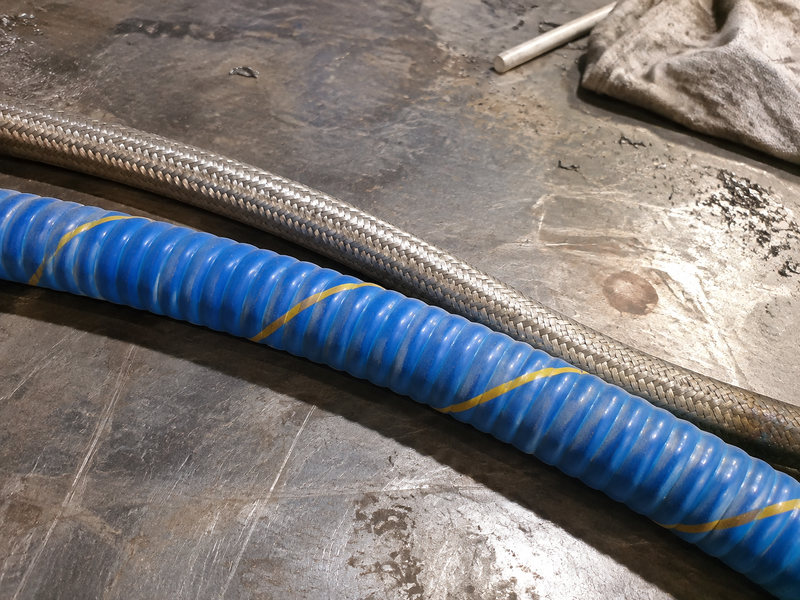
Figure 4. Steam hose fittings are selected as a matched pair. The clamp is chosen from the coupling ridge and the shank, never from the bore alone.
Table 4. Matching a clamp to a coupling at a steam end.
| What the coupling gives | What the clamp must match | What goes wrong if it does not |
|---|---|---|
| Interlocking ridge | A clamp shaped to engage that ridge | The ridge stays free, so grip falls back to friction |
| Shank diameter | A clamp sized to the shank, not the bore | The band cannot close evenly on the rubber |
| Bolt threads | The bolt kit made for that clamp body | A substitute bolt will not seat or hold torque |
| Attachment method | A re-torqueable clamp, or a ferrule that is permanent | A joint that cannot recover its load after heat cycling |
The decision order is short. Identify the duty, choose the coupling material and seat, confirm the thread, and then pick the clamp from the ridge rather than from the catalog index. The fittings and clamps buyer reference carries the ordering and spares side of that decision, once the pair is defined.
Sizes, Materials and Threads Across the Steam Hose Fittings Range
Steam hose fittings span a working range rather than a single size. The bore runs from 1/4 in to 6 in, the body comes in brass, plated steel, 316 stainless steel or malleable iron, and the thread is NPT or BSPT. Each choice follows the medium and the equipment port, not the hose.
Size also predicts the duty in practice. Industry practice puts the 1/2 in to 1 in band mostly on steam, and the 1-1/2 in to 4 in band mostly on high-pressure air. That split reflects the hoses those sizes usually carry, and it is a useful first guide when a plant is rebuilding a station.
Table 5. Size bands and the duty they usually carry.
| Size band | Duty usually seen | What to confirm |
|---|---|---|
| Below 1/2 in | Small steam tools and blowdown points | That the seat option exists in the smallest bore |
| 1/2 in to 1 in | Steam service, the most common steam band | That the clamp suits a steam duty |
| 1-1/2 in to 4 in | High-pressure air and large transfer lines | That the body material suits the medium |
| Over 4 in to 6 in | Large transfer ends | That the 6 in size is copper seat only |
The size bands leave one span open. The two industry bands stop at 1 in and resume at 1-1/2 in, so the hose duty decides that span.
For the full cross-family comparison of couplings by type, size and thread, the steam hose couplings types and sizes reference carries the selection table that sits above this pair.
Threads and Why They Are Checked First
NPT and BSPT look similar at a glance and do not seal against each other. A ground joint coupling is offered in both, so the equipment port decides the choice. Confirm the thread before the bore, because a correct body with the wrong thread still will not make up.
Materials Follow the Medium
Brass and plated steel cover most steam and air ends, 316 stainless covers corrosive surroundings, and malleable iron covers heavier mechanical duty. The seat then follows the bore rather than the body, so a brass seat order at either end of the size range cannot be filled.
Where Each Steam Hose Fittings Family Is Used
The two families share one duty boundary. A ground joint coupling is used on steam, compressed air, water, petroleum products and chemicals, with LPG limited to 1 in ID and below. The spud end is usually fixed to the equipment, such as a manifold or a distribution point, while the hose side uses the turning female.
That arrangement keeps the turning motion on the hose side. The fixed spud stays aligned to the port, and the swivel female is what the operator handles. It is a small point that decides how a station is laid out, because the fixed end has to be the one bolted down.
Steam is the duty that shapes the pair most. A steam end runs hot, wet and cycled, so the coupling needs a clamp that can be re-tightened later. Air, water and chemical duty can be less demanding on the joint, which is why the same coupling family appears across several media with different clamps.
The Hand-Tight Habit on Steam
A ground joint end is made up hand-tight on its seat, and the clamp then holds the shank. That order matters. Threading the swivel hard to stop a shank leak works against the seat, while a correctly engaged clamp removes the reason to over-tighten in the first place.
Why Quick-Release Couplings Are Excluded From Steam
Quick-release couplings are excluded from steam by ISO 6134:2024, and the exclusion is deliberate. A camlock-class coupling opens with a short lever action and a partial turn. On a live steam line, an accidental release throws a scalding flash rather than a harmless drip.
The clamp-family standards point the same way. EN 14420-3 covers hose clamp units, and DIN 2817 covers bolted safety clamps, both built around a joint that stays made up until it is deliberately released. A re-torqueable bolted clamp sits inside that family, while a quick-release body does not.
ARPM IP-11-1, the industry guide for steam hose use and inspection, treats the end connection as a service item to be checked rather than a convenience feature to be operated one-handed. That is the practical reason a steam end is kept to a coupling plus a clamp.
Steam Hose Fittings FAQs
What are the two families of steam hose fittings?
A steam end uses two families. The coupling family is the metal body that seals the steam path and threads to the equipment, such as a ground joint coupling. The clamp family grips the hose shank and holds that body in place. The two are specified together, because a coupling alone does not hold the hose.
Is a ground joint coupling the same as a boss coupling?
Yes. Boss coupling is the older trade name for the same three-piece ground joint set, and the two terms describe one design. Both refer to a hammer-lug swivel female paired with a spud that carries a lapped seat. The metal-to-metal seat is what lets the joint make up hand-tight.
What is the difference between an interlocking hose clamp and a bolted steam clamp?
An interlocking clamp has saddles shaped to sit over the coupling ridge, which adds mechanical grip at the shank. A bolted steam clamp can be re-tightened after the rubber takes its first compression set. The interlocking type is chosen for shank retention, and the bolted type for duties that cycle hot and cold.
Why do ground joint clamps need non-standard bolts?
The clamp body has to sit low over the coupling ridge and still take full torque, so the bolt length and thread pitch are set by that body. A substitute bolt of the same diameter will not seat correctly. Lost bolts come from the matched kit, not from a general parts bin.
Can a W-type clamp be used on a ground joint coupling?
No. A W-type or double-bolt clamp is a general industrial clamp built for common hose and common bolts. A ground joint end needs a clamp that engages its ridge and uses the matched non-standard bolt kit. Mixing the two leaves the ridge unengaged and the bolts unable to hold torque.
What sizes are steam hose fittings available in?
The bore range runs from 1/4 in to 6 in. Industry practice puts the 1/2 in to 1 in band mostly on steam, and the 1-1/2 in to 4 in band mostly on high-pressure air. Small bores and the 6 in size come with a copper seat only.
What materials are ground joint couplings made from?
The body is available in brass, plated steel, 316 stainless steel and malleable iron. The spud carries a copper or a brass seat, and the bore decides which of the two is on offer. Because the body and the seat are two separate selections, name both when you order, and expect 6 in and the smallest bores to arrive with copper.
Why are quick-release couplings banned on steam?
ISO 6134:2024 prohibits quick-release couplings on steam. A camlock-class body opens with a short lever action and a partial turn, so an accidental release throws a scalding flash rather than a harmless drip. Standards such as EN 14420-3 and DIN 2817 assume a joint that stays made up until deliberately released.
How do I match a clamp to a ground joint coupling?
Work from the coupling rather than the bore. Confirm that the clamp is shaped to engage the interlocking ridge, then size it to the hose shank, then use the bolt kit made for that clamp body. Finally decide whether the joint must be re-tightened after heat cycling.
About HENGHUA and Steam Hose Supply
HENGHUA manufactures hose and fittings for distributors, retailers and OEM brands worldwide. The steam range is an EPDM construction with a high-tensile steel wire or textile reinforcement and an evenly pin-pricked cover. On the end side we supply ground joint (Boss type) couplings, bolted safety clamps and clamp-type ferrules.
Assemblies can be factory crimped or built with clamps, and custom lengths, cover printing, private label and OEM/ODM work are available. Commercial terms are factory-direct pricing, short lead times on volume, and warranty. Every assembly is proof-tested before dispatch.
If you know the thread on the equipment, the hose bore and shank, and whether the joint must be re-tightened, send those three things. We will confirm the coupling, the clamp and the bolt kit that match them. Please get a quote and free samples and describe the end you need.
For the wider picture on how a steam hose is built and what steam does to a rubber tube, the saturated steam hose guide covers the material and standard side.
About the author: Written by the HENGHUA Engineering Team, hose application engineers and assembly specialists supporting hose selection, end connections and pressure testing for industrial, marine, food processing and mobile equipment customers. The fitting limits here reflect our production and field service experience with both steam hose constructions, together with the pressure testing and batch traceability records held for every shipment.

 English
 Spanish
 Portuguese
 French
 German
 Arabic
 Russian
 Indonesian
 Japanese
 Korean