

Steam fittings and clamps are bought as a matched set, not as two separate line items, and that single point causes most of the wrong deliveries in this category. The coupling brings an interlocking ridge, the clamp is built with saddles that engage it, and the bolts that hold that clamp are specific to its body. Order one without the others and the parts arrive, but they do not assemble. In this reference, clamp means the hose clamp that grips the shank of a steam hose end; a pipe repair clamp that bridges a leak is a separate product.
This reference is written for the person raising the order. It covers what belongs on a specification and how to choose material by duty. It then sets out what to confirm about bolts and torque, and which documents to request. It closes with a spare parts position and a way to frame the price and lead-time questions usefully.
About a 14-minute read at 250 words per minute; the tables are laid out to be copied into a specification.

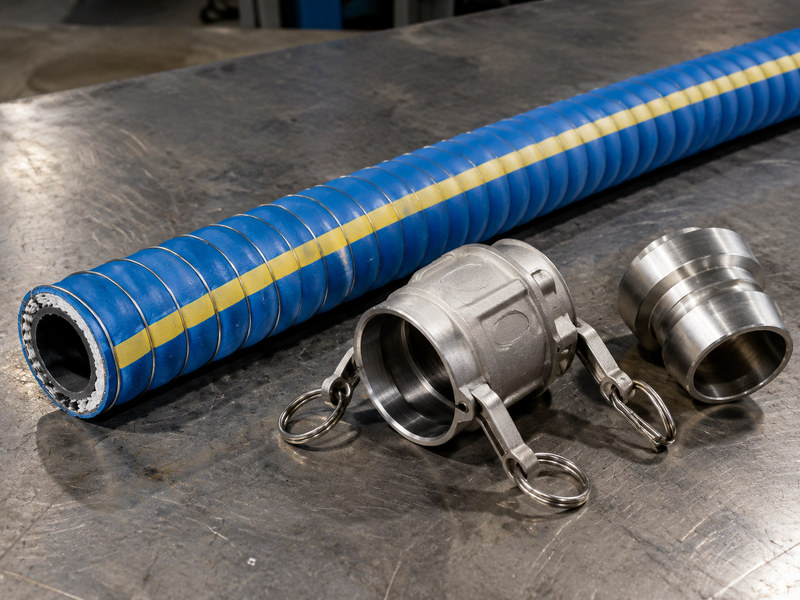
Figure 1. A steam end is three purchased items, not one: the coupling set, the clamp body and the bolt kit matched to that clamp.
What Goes on a Steam Fittings and Clamps Specification
Six fields decide whether a steam fitting order assembles: coupling family, size, thread standard and gender, body material, seat type, and the clamp with its matched bolt kit. Two suppliers reading the same incomplete line will ship different goods, and the mismatch shows up at assembly rather than at quotation.
For steam fittings and clamps, the six fields above double as the fastest quotation format, because every one of them changes the part or the price. Anything left out becomes an assumption, and assumptions are where the cost sits.
Table 1. The line-item fields that decide whether a steam end assembles correctly.
| Field | What to state | What goes wrong when it is omitted |
|---|---|---|
| Coupling family | Ground joint or another accepted steam end | A quick-release item is quoted in, which steam excludes |
| Size | Nominal bore and the coupling size built for it | A fitting that does not match the hose |
| Thread standard and gender | NPT or BSPT, male or female | A threaded end that will not seal at all |
| Body material | Brass, plated steel, 316 stainless or malleable iron | Substitution on price, and a duty that later fails |
| Seat type | Ground seat in a copper or brass spud, or a washer-style seat | A joint that seals differently from the specification |
| Clamp and bolt kit | The clamp type plus the bolts matched to its body | A clamp that cannot be assembled on site |
Why the Clamp and the Bolt Kit Are One Line Item
Interlocking clamps and bolted safety clamps are built around specific bolt threads and lengths. A bolt of the same diameter from a general stock bin will not seat correctly, and the clamp relies on that seating to develop its grip. The bolt kit therefore travels with the clamp body rather than being sourced separately.
Treat the pair as one line item. Where a plant keeps a common bolt bin for general work, the steam bench should be excluded from it, and the matched bolts kept with the clamps they belong to.
What to Leave Qualitative in a Purchasing Document
Some fields are better left as a requirement than as a number. Torque is the clearest case: the correct figure is set by the clamp maker for that body, so the specification asks for it to be supplied rather than naming a value. The same applies to pressure and temperature, which belong to the duty and should be stated once for the whole order.
A specification that names invented numbers is harder to quote against and harder to defend later. A specification that names the duty and asks the supplier to confirm the part is faster to answer and easier to audit.
Steam Fittings and Clamps Material Selection by Duty
Fitting material selection follows the duty, and three questions settle it: what the steam touches, what the surroundings do to the outside of the part, and whether the plant washes the area down. Answer those three before reading Table 2, and the choice usually narrows to one material.
A fitting material selection made on cost alone will eventually put a material into the one duty it cannot handle. A buyer who selects on a generic “most corrosion resistant” rule will over-specify and pay for it on every line.
Table 2. Body materials for steam fittings and clamps, with the duty each is ordered for and the duty that rules it out.
| Material | Order it for | Rule it out for |
|---|---|---|
| Brass | Utility steam and general service across the common bores | Media carrying ammonia or ammonium compounds |
| Plated steel | Dry plant areas where price drives the choice | Washdown areas or a corrosive atmosphere |
| 316 stainless steel | Corrosive or washed-down surroundings, wide chemical range | Media rich in chlorides, where pitting is the risk |
| Malleable iron | Heavier duty where toughness is the deciding factor | Corrosive atmospheres and chemical-bearing duty |
Reading the Table as Boundaries Rather Than a Ranking
For fitting material selection the table is read left to right as a fit, not top to bottom as a league. Brass is the default for steam because it machines well, seats well and covers the common sizes at a sensible price. Stainless steel is chosen when the surroundings demand it, and it brings its own limit in chlorides.
Two practical consequences follow. First, a plant can standardize on brass for utility steam and use stainless only where the environment has earned it. Second, an offered substitution should be checked against the duty rather than accepted on price.
Why the Seat Is Chosen Softer Than the Body
Ground joint couplings seat metal to metal, and the seat is deliberately a softer metal than the body. A softer seat conforms under contact pressure, so it seals despite minor surface damage. The ends of the range are copper only: at the smallest bores and at the largest, no brass alternative is offered, which is a limit of the size rather than a preference.
That is a design feature rather than a cost shortcut. It settles two things on the buying side: the seat is specified with the coupling rather than added later, and a seat that shows damage or has leaked once is replaced rather than reworked.
Clamp Bolt Torque and the Re-Torque Routine
A clamp bolt torque figure is supplied by the clamp maker for the clamp body, the bolt and the hose construction, and the buyer requires that figure in writing and records it on the assembly tag. Re-tightening to the recorded figure after the first heat cycles is what keeps a steam end tight for its service life.
Rubber under a clamp takes compression set at steam temperature, so the clamping load falls and has to be restored deliberately rather than assumed to hold. Naming the figure without the routine leaves the restoration to chance, which is why the two clauses travel together on the purchase order.
Table 3. Clamp families bought for steam ends, and the bolt supply that goes with each.
| Clamp type | Bolt supply | What the order must include |
|---|---|---|
| Interlocking U-bolt clamp | Non-standard thread and length | The matched bolt kit, ordered with the body |
| Bolted safety clamp | Bolts built into the clamp design | The re-torque step and the maker’s figure |
| W-type double-bolt clamp | Standard bolts | A check that the end is general utility hose, not a ground joint |
| Crimped ferrule | No bolts | A shop that can make and test a swaged assembly |
Why Clamp Bolt Torque Is Asked For Rather Than Specified
A torque figure belongs to a clamp body, a bolt size and a hose construction together. Quoting one from a generic table ignores two of the three, and the result is either an under-tightened joint or a crushed shank.
The buying solution is to make the figure a deliverable. Ask the supplier to state the torque for the clamp and hose actually supplied, and have it printed on the quotation so the figure is agreed before anything is built.

Figure 2. The torque figure is part of the delivery, not a number the buyer looks up. Recording it on the assembly tag is what makes the next re-torque repeatable.
Why the Re-Torque Step Belongs in the Purchase Contract
A hose assembly, a clamp kit and a documented re-torque step arrive together or the plant inherits an unfinished job. Putting the step in the contract rather than in a maintenance note makes it part of what was bought, and it gives the installing team a defined point to sign off.
The step is short. Check the clamps after the first operating cycles, when the rubber has taken most of its set, and re-tighten to the recorded figure. Then check again at each scheduled inspection.
What Documents to Ask For With a Fittings Order
Four documents travel with a fittings order: the delivery note naming the batch, a material statement for each part, the inspection document where the order calls for one, and a statement of how the parts are marked. Ask for all four at quotation stage, because a supplier who cannot confirm them then will not produce them at dispatch.
A document set that names a batch different from the delivery note is worth nothing at the point of a claim. Check the batch reference across the whole set when it arrives, not at the end of the project.
Inspection Documents and What They Cover
Where metal parts are supplied against a documented inspection requirement, inspection documents are a defined category rather than a letter from the sales desk. EN 10204 is the standard that names them, and the 3.1 type is the certificate that carries specific test results for the actual batch, signed off inside the maker’s quality function.
Two cautions worth keeping. Having a document type available in the market is not the same as a supplier holding it for a specific shipment. And a document that does not name the batch on the delivery note does not help when a question arrives a year later.
Marking and Traceability on the Delivered Part
Marking on the part itself is what survives a lost file. A coupling or a clamp marked with its size, material and batch can be re-identified on the bench years later, which is when the question usually comes up.
A supplier who cannot say how the parts are marked has not thought about traceability, and that is worth knowing before the order rather than after it.
Steam Fittings and Clamps Spare Parts List for a Plant
A steam spare parts list carries four items: matched clamp bolt kits, seat spuds, the washers or seat inserts that go with them, and a complete coupling set for lines that cannot stop. The moment to fix the list is when the assemblies are ordered, because the sizes and the bolt kits are settled at that point.
The list is shorter than most plants expect, because the parts that fail predictably are few and they are the cheap ones. The expensive item, the hose assembly, is usually a planned replacement with lead time.
Table 4. A working spare parts position for a plant running steam assemblies.
| Item | Why to hold it | Typical holding position |
|---|---|---|
| Clamp bolt kits | The part most often lost during a repair | Matched kits for each clamp size in use |
| Seat spuds (seat-carrying adapters) | The seat is the part that shows damage first | One spare per size on the critical lines |
| Washers or seat inserts | Small parts that stop an assembly going back together | Held with the spuds rather than separately |
| Complete coupling sets | Fastest route back to service after seat damage | One per size on lines that cannot stop |
How to Size a Spare Parts List
Start from the failure that stops production, not from the failure that happens most often. A weeping joint can be watched for a shift. A joint that cannot be reassembled for want of a bolt stops the line immediately, which is why the bolt kits sit at the top of the list. Order one kit for every clamp body in the build, then hold one spare kit for each clamp size in service.
The second input is lead time. Where a part is available in days and the duty allows a planned outage, the holding position can be thin. Where a line cannot stop, the position is sized on the assumption that the delivery has not arrived yet.
Where the Holding Position Should Sit
Spares held at the assembly bench get used. Spares held in a central store get lost. The practical layout is a small locked kit at the bench that carries the matched bolts, spuds and washers for the sizes in service, backed by a deeper store position.
Anything that is not a matched part does not belong in that kit. A mixed bolt bin beside a steam bench is how an interlocking clamp ends up with the wrong bolt.
Ordering Steam Fittings and Clamps: The Four Things to Send
Four facts make a steam fittings inquiry answerable: the maximum pressure the system can deliver, the steam condition at the point of use, the bore and thread at the connection, and the number of assemblies to build. Send all four together and the coupling, the clamp and the bolt kit can be selected as one package.
For steam fittings and clamps, the first three change a part rather than a preference, and the fourth sizes the order. Pressure and steam condition together fix the hose construction, the bore fixes the coupling size, and the thread fixes the end that mates with the plant connection.
A line written to that pattern reads: ground joint coupling, 1 in, NPT female, brass body, copper seat, bolted safety clamp, matched bolt kit, torque figure stated by the supplier. Copy the pattern for each size and the specification is complete.

Figure 3. The sheet starts blank: an inquiry becomes an order when the six specification fields are filled in and the clamp, bolts and re-torque step travel with them.
What Moves the Price and the Lead Time
Price in this category moves with material, size, thread form, quantity and the amount of assembly work included. A stainless body costs more than a plated steel one, an unusual thread form costs more than a standard one, and a line item that includes a tested assembly costs more than the parts alone.
Lead time moves with availability rather than with complexity. Common sizes in brass and plated steel are usually stocked items. Stainless bodies and non-standard thread forms are more often made to order, which is the point at which a plant’s spare parts position starts to matter.
How to Compare Two Quotations Honestly
Two quotations are comparable only when they carry the same six fields and the same included work. A cheaper quote that omits the matched bolt kit, or that supplies parts where the other supplies a tested assembly, is not a cheaper quote for the same thing.
Build a small comparison table with the fields down the side and the suppliers across the top, and mark any field the supplier left open. An open field is the real difference between the two prices, and it is the one worth closing before the order is placed.
Steam Fittings and Clamps FAQs
Why can the bolts not be bought from a general fastener supplier?
Because the bolts built for interlocking clamps are not standard parts. The thread and the length are set by the clamp body, and a bolt of the same diameter from a general bin will not seat correctly. The matched kit is ordered with the clamp body so the two arrive as one item.
What torque should be used on a clamp bolt?
The clamp bolt torque is set by the clamp maker for that clamp body and bolt size, so it is supplied with the parts rather than quoted from a table. Record it on the assembly tag when the assembly is built. Then re-tighten to the same figure after the first heat cycles, when the rubber has taken its set.
How should I approach fitting material selection?
Brass covers most steam utility and general service duty and is the usual default. Plated steel suits cost-driven general duty in dry areas. 316 stainless suits corrosive and washdown surroundings but not chloride-rich conditions, where pitting is a risk. Malleable iron suits heavier general service.
Does a ground joint coupling need a specific clamp?
Yes. The coupling carries an interlocking ridge, and the clamp is built with saddles shaped to engage it. Fitting a general clamp of the same bore leaves the ridge unengaged, so the end loses the added shank retention that the pairing was selected for.
What documents should I ask for with a fittings order?
Ask for the delivery note to name the batch, a statement of what each part was made from, and the inspection document where the order calls for one. Where metal parts are supplied against a documented requirement, EN 10204 names the document types and the 3.1 type carries specific test results for the batch.
How should the spare parts position be sized?
Size it from the failure that stops production and from the lead time on the part. Bolt kits and seat spuds are the items that stop an assembly going back together, so they belong at the bench. Complete coupling sets are held only for lines that cannot wait for a delivery.
Should I buy the parts or a finished assembly?
Buy the finished assembly where the shop is not equipped to make and test a swaged or clamped steam assembly, and where the plant needs a documented rating. Buy the parts where the plant has an equipped bench and can follow the maker’s torque and re-torque routine. Both routes are legitimate.
What moves the price most on a fittings order?
Material and thread form move the unit price most, followed by quantity and by whether the line item includes assembly work. A stainless body with an unusual thread form is the expensive combination. Quantity discounts on common brass and plated steel sizes are the usual offset.
How long should a spare part be expected to sit on the shelf?
Rubber parts age, but metal fittings and clamps do not, so couplings, clamps and bolt kits keep for years in dry conditions, while any rubber washer or insert ages on the hose timetable. Keep them boxed by size and matched to their bolts. The shelf-life question belongs to the hose, not to the metal fittings.
About HENGHUA and Steam Fittings Supply
HENGHUA manufactures steam hose, industrial hose and hydraulic hose for plants, distributors and equipment builders worldwide. On the fittings side we supply the ground joint coupling family, bolted safety clamps and the matched bolt kits that go with them, so a steam end arrives as a set rather than as parts to be reconciled.
Assemblies can be crimped or built with clamps and matching tails, and every length is proof-tested hydrostatically before dispatch. Custom lengths, cover printing, private label and OEM work are available, and we quote the assembly rating rather than repeating the hose figure, because an assembly is only as good as its weakest part.
Two things we tell buyers plainly. The bolt kit belongs with the clamp, not in a general fastener order. And the re-torque step is part of the delivery, so we state the figure for the clamp and hose actually supplied rather than leaving the plant to look one up.
Send the maximum pressure the system can deliver, the steam condition at the point of use, the bore and thread, and the number of assemblies. We will then confirm the coupling, the clamp and the bolt kit as one package. Please get a quote and free samples, or review the steam hose category and the EPDM steam hose 170 °C product page.
For how the two hardware families fit together, the steam hose fittings guide is the natural next read. The hose clamp selection guide covers clamp types across hose families, and the saturated steam hose guide covers the material and standard side.
About the author: Written by the HENGHUA Engineering Team, hose application engineers and assembly specialists supporting hose selection, end connections and pressure testing for industrial, marine, food processing and mobile equipment customers. The ordering, torque and traceability guidance here reflects our production and field service experience with steam hose assemblies, together with the pressure testing and batch traceability records held for every shipment.
 English
 Spanish
 Portuguese
 French
 German
 Arabic
 Russian
 Indonesian
 Japanese
 Korean