
A composite hose pressure rating is a figure at a temperature, for a hose, not for an assembly. Read without those three qualifiers it is the most misused number on a datasheet. The table below gives the published values, and the rest of this page explains what has to be added before the figure describes the line you are actually building.
If you need one rule: the assembly rating governs, and the assembly rating is the lowest component in the chain.
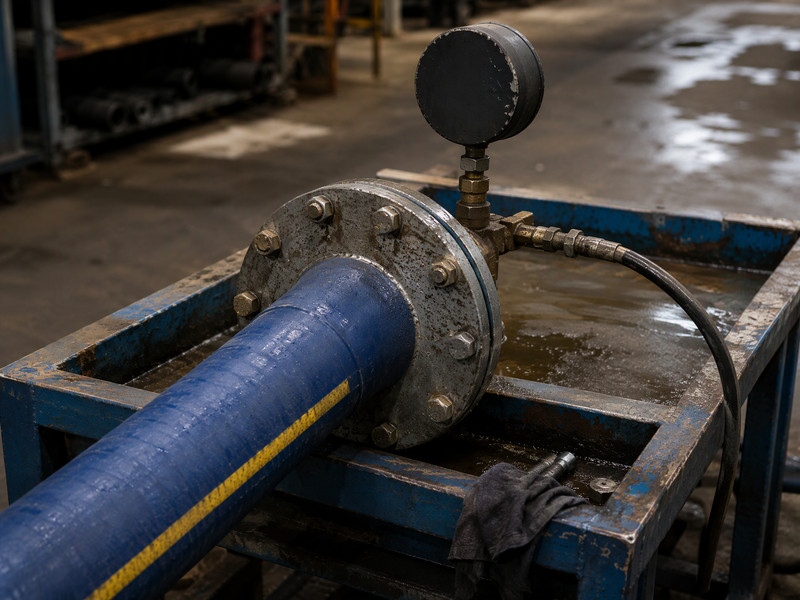
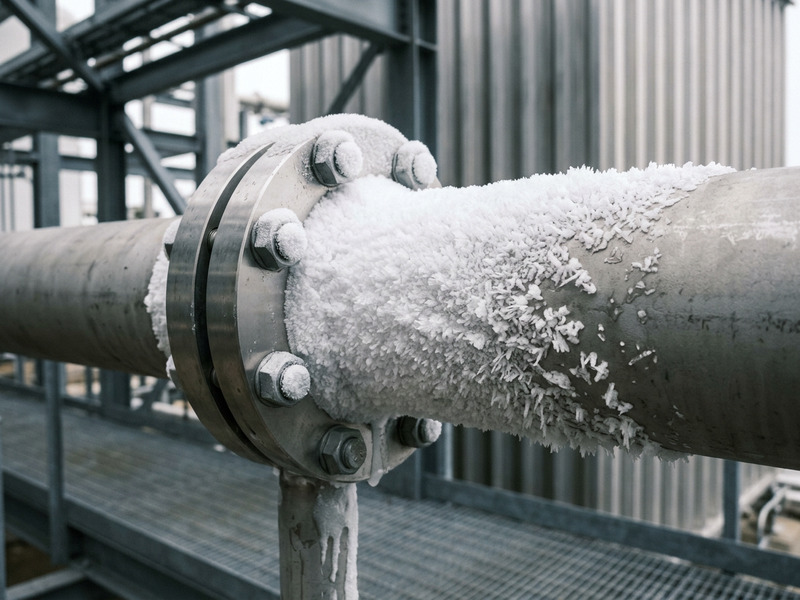
Figure 1. A proof test, not a burst test. The figure that matters in inspection is the proof pressure, because that is the test the hose passed.
What Does the Table Contain?
Four types, each with a maximum working pressure, a proof pressure, a minimum burst pressure and a vacuum rating.
| Type | Working | Proof | Minimum burst | Vacuum | Temperature |
|---|---|---|---|---|---|
| Type 1 | 4 bar | 6 bar | 16 bar | 0.5 bar | −20 to +60 °C |
| Type 2 | 10 bar | 15 bar | 40 bar | 0.9 bar | −30 to +80 °C |
| Type 3 | 14 bar | 21 bar | 56 bar | 0.9 bar | −30 to +80 °C |
| Type 4 | 14 bar | 21 bar | 56 bar | 0.9 bar | −30 to +150 °C |
Table 1. Composite hose pressure rating by type, from the classification table. Values are minima, not targets.
A composite hose pressure rating table is not a menu, and the type guide explains the bands behind it. A hose built above the table is legitimate, and then the proof and burst figures behind the higher rating have to be shown, because the type number no longer explains it.
Why Is the Assembly Rating Different?
An assembly pressure rating exists because the hose is only one component, and the fittings usually have a lower limit.
A 4 inch hose rated at 14 bar with camlocks rated lower is a lower-rated assembly. That is not a defect; it is arithmetic, and it is the number the line should be labelled with.
The gap widens with bore. A camlock at 2 inch and a camlock at 6 inch are not interchangeable in pressure terms, and a plant that standardises on one style across sizes will find the large sizes are the constraint.
Two practical consequences follow. Quote the assembly rating on the datasheet, not just the hose rating. And label the assembly with the lower figure, so nobody reads the hose marking and assumes it governs.
How Does Temperature Change It?
Every type has a ceiling, and pressure capability falls as the temperature approaches it.
A hose rated at 14 bar at 20 °C does not carry 14 bar at 70 °C, and the chemical resistance guide covers the same interaction from the medium side. The derating curve, not the headline figure, governs hot duty, and the curve should come from the supplier rather than from a rule of thumb.
A hose derating temperature figure is therefore as important as the pressure itself, and it belongs on the drawing beside the duty. Quoting the hose derating temperature beside the duty means the next reader inherits the condition, not just the number. Two terminals running the same hose at different product temperatures are running two different duty cases, and only one of them may be inside the rating.
The practical approach is to specify the maximum product temperature and the maximum cleaning temperature, then ask for the derated pressure at both. The higher of the two sets the basis.
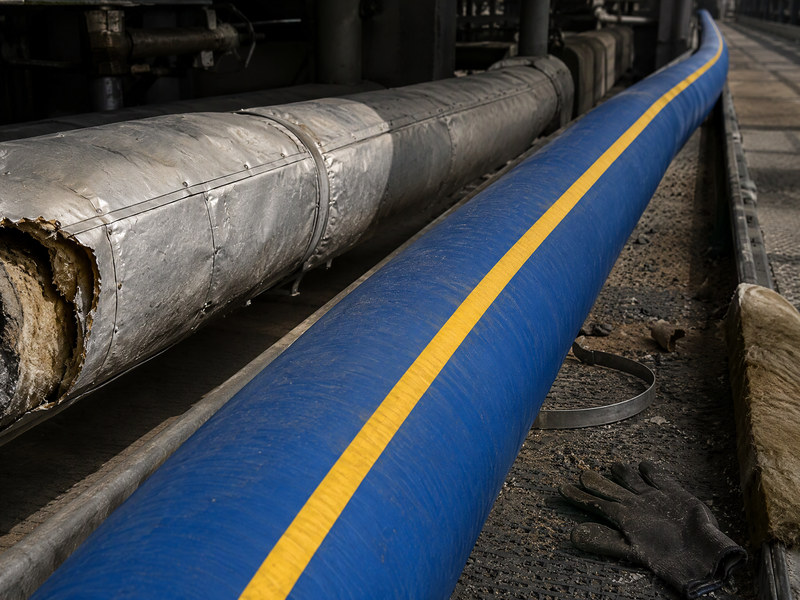
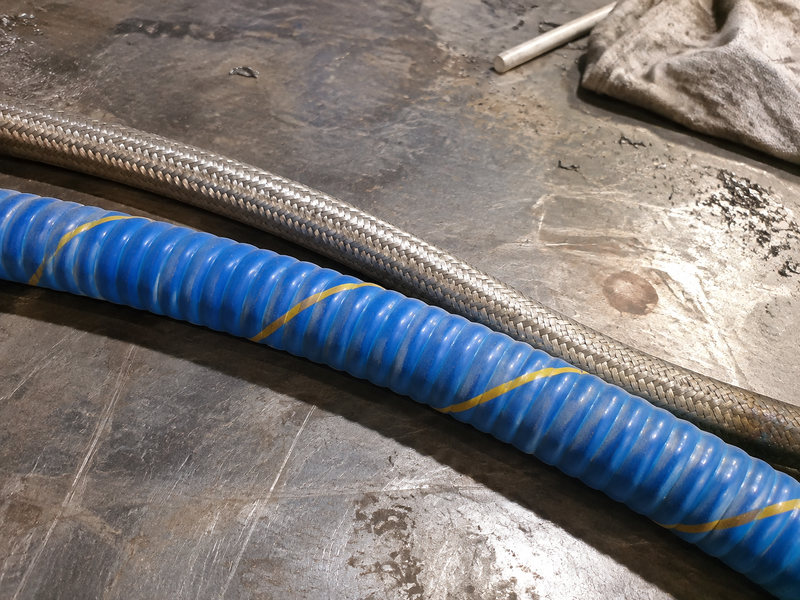
Figure 2. A hose beside a steam trace. The line is rated cold and operated hot, and the distance between the two is where the derating figure is decided.
Does Bore Change the Rating?
The hose rating is set by type, not by bore, within the tabulated range. The assembly rating does change with bore, because fittings do.
That distinction explains a common confusion. A buyer compares a 2 inch and a 6 inch hose, sees the same type number and assumes the same assembly capability. The hose is the same; the joint is not.
Where a large bore line needs the full type rating, the connection has to match. Flanges generally carry more than camlocks at the same size, and a flanged assembly at 6 inch may be the only way to use the full 14 bar.
How Should You Read the Table?
Four steps, in order, and the specification database holds the table they read from.
Find the duty temperature first, because it eliminates types. Find the duty pressure second, at that temperature. Check the vacuum requirement third, if the line is drained by suction. And check the assembly rating last, because it is the figure that governs.
Reading in the other order is how a hose is selected on pressure alone and then found to be outside its temperature band.
A pressure rating table is also a screening tool. Once the type is fixed, the bore, the connections and the derating curve decide the rest.
What Are the Common Misreadings?
Five, and all five appear in real specifications.
Reading the burst pressure as the working pressure. Reading the hose rating as the assembly rating. Reading the rating at ambient when the line runs hot. Reading a type number from an older edition as if it were current. And reading a catalogue headline that quotes the highest figure in the range.
Each is corrected by one question: at what temperature, and for which component.
The most expensive of the five is the third, because a line that runs hot is usually a line that matters, and the margin between ambient and duty temperature is where the rating quietly disappears.
How Do You Specify a Rating?
Write the duty pressure at the duty temperature, then the required assembly rating, then the fittings.
Add the vacuum requirement if the line can be drained by suction or emptied by pump. Add the test requirement, because a rating without a proof test is a claim.
Where the duty is close to a type boundary, specify the next type up rather than relying on derating to hold the margin. A hose at its limit is a hose with no allowance for a warm day.
| Component | What sets the figure | Typical weak point |
|---|---|---|
| Hose | Type and temperature | Not usually the limit |
| Fittings | Style and size | Common limit at large bore |
| Attachment | Ferrule and crimp | Limit after field assembly |
| Gasket | Seat and material | Limit at high temperature |
Table 2. Where an assembly pressure rating is decided. The third row is the one that changes when a hose is assembled outside a factory.
How Do You Verify a Rating?
Three checks.
Ask for the proof test record for the batch, compare it with the datasheet figure, and check that figure against the published proof pressure. Check the assembly marking against the datasheet. And confirm the fitting rating with the fitting manufacturer, because a hose maker may not publish it.
Where a hose is supplied with a higher-than-table rating, ask for the type test values behind it. A figure without a test is a figure without a basis.
Where Does the Rating Come From?
Every figure in the table traces back to a type test, and the test defines what the number means.
The type test pressurises a sample to the proof value, holds it, and confirms no failure. A separate test takes a sample to burst to establish the safety margin. The working pressure is a fraction of the burst, set by the standard rather than by the manufacturer.
That is why a composite hose pressure rating cannot be increased by optimism or by a thicker cover. It can be increased by building a stronger wall and testing it, and then the test values travel with the product.
Where a supplier quotes a rating without a test basis, the figure is a marketing position. It may be correct, and it is unverifiable, which is the same problem in an investigation.
What Changes the Assembly Figure?
Four components, and the lowest one wins.
The hose, which is set by type and temperature. The fittings, which are set by style and size. The attachment, which is set by the ferrule and the crimp. And the gasket, which is set by the seat and the material.
An assembly pressure rating is therefore a chain, and the weakest link is rarely the hose. On large bore lines it is usually the fitting; on small bore lines it can be the attachment if the ferrule was not made for the wall.
Two habits help. Ask for the assembly rating in writing rather than calculating it from the hose figure. And label the assembly with that number, so the person connecting it reads the real limit rather than the one printed on the cover.
A pressure rating table is only useful when the reader knows which figure to take. Take the working pressure at the duty temperature, then take the assembly figure, then label the line with the lower of the two.
How Do You Handle a Duty Above the Table?
Three routes, and each has a cost.
Move to a heavier build with documented proof and burst values above the duty. That is legitimate, and it needs the test record rather than a catalogue claim.
Reduce the pressure at the line. A relief valve setting or a pump limit may bring the duty inside a standard type, which is often cheaper than a special build.
Or change the construction. A metal hose or a different product family may carry the pressure more economically at that bore.
Hose derating temperature also offers a route in the other direction: a duty that looks marginal at ambient may be comfortable if the product is cold, and vice versa. Check the temperature before the type.
How Do You Present a Rating on a Drawing?
Three lines on the drawing and one on the hose.
The drawing states the duty pressure, the duty temperature and the required assembly rating. The hose marking carries the type and the batch.
A composite hose pressure rating printed on a cover is a hose figure. The pressure rating table entry that governs the line is the assembly figure, and the difference is the point of this page. Together they let an inspector verify the installation without reading the specification: a marking that says Type 3 with a batch number can be checked against a record, and a marking that says only a bore cannot.
Where the line is regulated, add the test date to the marking schedule. It is the field an inspector asks for first.
Frequently Asked Questions
What is the maximum pressure of a composite hose?
14 bar working pressure for Types 3 and 4, with 21 bar proof and 56 bar burst. Builds above that exist and need their own test values.
Is the working pressure the same as the assembly rating?
No. The assembly rating is the lowest component rating, and the fittings are often lower than the hose.
Does pressure rating fall with temperature?
Yes. Each type has a temperature ceiling, and the usable pressure falls as the line approaches it.
What is proof pressure?
The pressure the hose is tested to, above the working pressure and below the burst. It is the figure an inspection record refers to.
Why does my 6 inch assembly have a lower rating than my 2 inch?
The fittings differ. A camlock at 6 inch is rated lower than the same style at 2 inch, and the assembly takes the lower figure.
Can I use a Type 4 hose at 150 °C and full pressure?
Only within the derated figure for that temperature. The type table gives the ceiling, not a flat rating across the range.
Where do I find the derating curve?
From the supplier, for the build ordered. A generic curve is a starting point and not a specification.
About HENGHUA
HENGHUA states the composite hose pressure rating and the assembly rating separately for every build, with the derating basis for the duty temperature. Where a fitting limits the assembly, we say so before the order rather than after.
Send the duty pressure, the temperature and the connection, and we will confirm the type and the figure that applies.

 English
 Spanish
 Portuguese
 French
 German
 Arabic
 Russian
 Indonesian
 Japanese
 Korean