

A steam cleaning hose carries live steam from a cleaning machine to a lance or nozzle. A plant steam-line hose carries steam from a fixed header to process equipment. The two duties look alike and are not interchangeable, so check the rating and the maker’s published exclusions before either hose goes on the other machine. This article marks the boundary between them using published ratings, cover and tube construction, and coupling rules.
It covers nozzle-end temperature, the published limits of high-pressure steam hose, and what detergent and oil do to EPDM covers and tubes. It also explains why universal quick-acting couplings must never be used on steam, what steam lance duty demands, and how to choose between a steam hose and a hot-water pressure hose.
About a 14-minute read at 250 words per minute; the sections are short so you can scan to the one you need.
Where a Plant Steam Line Ends and a Steam Cleaning Hose Begins
Saturated steam is saturated steam, so it is easy to assume that one hose replaces another. What actually decides the choice is the duty the hose was built and rated for. A plant steam-line hose sits between fixed connections and works continuously. A steam cleaning hose is dragged, coiled, and worked at a nozzle all shift.
The practical boundary is the boiler. A plant steam line draws steam from a fixed header at a pressure the site controls and monitors. A cleaning machine makes its own steam in a small on-board boiler. Each hose therefore sees a different pressure-and-temperature pairing, and each pairing has to be rated on its own.
Length changes the picture as well. A plant line can run many meters between the header and the point of use, so heat loss along the run affects the process and the condensate load. A cleaning hose is usually short, and it flexes constantly at the lance, so fatigue and bend radius matter more than insulation.
Table 1. The duty boundary between a plant steam-line hose and a hose on a cleaning machine.
| Duty point | Plant steam-line hose | Hose on a steam cleaner |
|---|---|---|
| Steam source | Fixed site boiler or steam header | On-board boiler in the cleaning machine |
| Who sets the pressure | The plant, at the header | The machine setting at the operating point |
| Typical length | Long, fixed runs | Short, dragged and coiled |
| Temperature limit | Saturation temperature for the header pressure | Saturation temperature for the boiler pressure |
| Cover type | Perforated cover to vent steam that crosses the wall | Perforated cover, where the maker lists the hose for this service |
| After-use rule | Drain the hose | Drain the hose |
Read the boundary from the boiler outward. The nozzle end of a cleaning machine cannot be hotter than the steam its on-board boiler makes. A longer lance or a longer hose only adds pressure drop and condensate. Nozzle temperature is set at the boiler, and the hose has to be rated for that pairing.

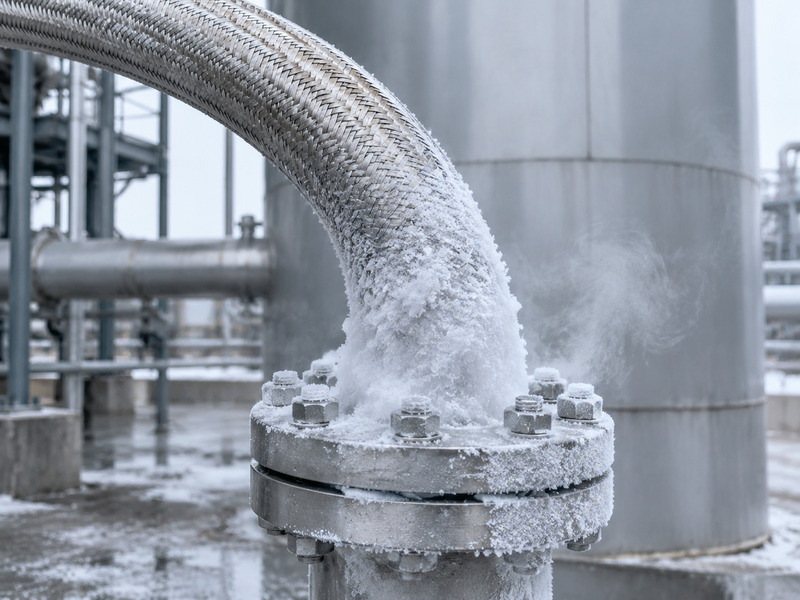
Figure 1. In one plant: a fixed header feeding process equipment, and a short hose dragged from a cleaning machine.
Nozzle-End Temperature: Why It Sets the Steam Cleaning Hose Duty
Operators often expect the nozzle end to be hotter than the boiler, reasoning that the steam was compressed and heated along the way. For saturated steam the reverse is true. Temperature follows pressure, and pressure can only fall as steam travels down the hose and through the lance.
That is why a steam rating is written as a pair, never as a single number. ISO 6134 Type 1 covers low-pressure steam hose at a maximum working pressure of 0.6 MPa (6 bar) and 164 °C. Type 2 covers high-pressure steam hose at 18 bar and 210 °C. A hose rated for one pair is not automatically rated for the other.
Superheated steam is a different case again. Superheat adds temperature without adding pressure, so the material sees a higher heat load than saturated steam at the same pressure. Published guidance warns that service with superheated steam shortens hose life. That warning applies to the whole assembly, not only to the tube.

Figure 2. From boiler to nozzle: pressure and temperature fall along the hose and through the lance.
Table 2. Published steam ratings you can plan against, with the source category stated for each row.
| Published reference | Working pressure | Steam temperature | Note |
|---|---|---|---|
| ISO 6134 Type 1, low-pressure steam hose | 0.6 MPa (6 bar) | 164 °C | Standard definition |
| ISO 6134 Type 2, high-pressure steam hose | 18 bar | 210 °C | Standard definition |
| One maker’s published high-pressure steam hose | 270 psi (18.6 bar, calculated) | 410 °F (210 °C) saturated | Intermittent to 450 °F (232 °C); not for steam cleaner use |
| A compact steam range, published | 261 psi saturated (18 bar) | 406 °F (208 °C) saturated | 250 psi (17 bar) and 450 °F (232 °C) superheated |
| A high-temperature EPDM steam hose, published | 250 psi (17.2 bar, calculated) | 400 °F | Single published size of 0.75 in |
| A heavy-duty transfer range, published | Two pressure grades | −30 °C to +164 °C, and −30 °C to +210 °C | Grades split by temperature |
The spread in that table is real, and it is not a contradiction. Different makers test to different standards, quote saturated and superheated limits separately, and publish design factors that change the burst margin. Never treat a 270 psi figure and a 261 psi figure as interchangeable without checking the temperature written beside each one.
Published Limits of High-Pressure Steam Hose You Can Plan Against
Published limits are the planning basis, and the cover confirms which one applies. One maker states plainly that its 270 psi steam hose is not for steam cleaner use. The same maker warns that superheated steam will shorten hose life, and that the hose is not recommended for washdown applications where detergent or oils are present.
A published exclusion is worth reading twice. A hose can be rated for 270 psi and 410 °F saturated steam and still carry an explicit exclusion for cleaning machines. The rating describes what the hose can hold. The exclusion describes jobs the maker has decided the hose should not do.
Before you compare catalogs, read the markings on the hose in hand. ISO 6134 hose usually carries its type, its pressure and temperature pair, and a quarter-and-year code on the cover. Those marks decide whether the hose qualifies for steam before any catalog does. Match the pair on the cover to the pair your boiler produces. Where the cover states a lower pair, the hose stays on the lower duty.
Design factors published for steam service are commonly 10:1 or 20:1. A higher factor means a larger gap between working pressure and burst pressure, which buys tolerance for water hammer and condensate slugs. Compact steam ranges are often published as not recommended for vacuum. A washdown steam hose is a hose published for steam washdown, and its published limits are what decide whether it fits your job.
What Detergent and Oil Do to EPDM Covers and Tubes
EPDM is chosen for steam hose because it resists heat and hot water, not because it resists oil. That distinction explains why a maker can rate a hose for saturated steam and still exclude washdown where detergent or oils are present. During cleaning, the fluid at the nozzle also wets the outside of the hose.
Hot detergent solution attacks the cover first. It can swell and soften the rubber, and it can creep into the bond between the cover and the braid. Once that bond fails, steam that would have vented through the perforations instead lifts the cover, and the cover blisters or peels.
Oily wash water does something similar, but more slowly. Oil swells the cover and the tube, dulls a red or black finish, and leaves a surface that feels soft or tacky. A swollen tube grips the reinforcement less firmly, and a swollen cover hides the first signs of damage.
Table 3. How common cleaning fluids affect an EPDM steam hose, and what you see on site.
| Medium | Effect on the EPDM cover | Effect on the EPDM tube | Field sign |
|---|---|---|---|
| Hot detergent solution | Softens and swells the cover; can break the cover-to-braid bond | Penetrates most at the coupling end | Cover lifting and blistering |
| Oily wash water | Swollen, dulled surface | Swells the tube and loosens its grip on the reinforcement | Soft, tacky skin |
| Steam condensate only | No chemical attack | No chemical attack | Normal service |
| Superheated steam | Higher heat load on the cover | Higher heat load on the tube | Shortened hose life |
The washdown steam hose exclusion published by hose makers is the field result of that chemistry. The fix is not a different color of cover. It is either a hose published for washdown with detergents, or a cleaning method that keeps detergent and oil off the hose skin. Rinse the hose after use, and never store it wet with detergent on the surface.

Figure 3. Blistering on a perforated cover, the pin-pricked surface lifting where the bond to the braid fails.
Why Universal Quick-Acting Couplings Never Go on Steam
Universal quick-acting couplings are designed for air, water, and light fluids at modest temperatures. Their seals and locking geometry are not rated for the pressure-and-temperature pairing a steam line runs at. Published guidance from hose makers is unambiguous on this point: universal quick-acting couplings must never be used on a steam hose. The ARPM IP-11-1 guide is the reference for steam hose use and inspection.
The failure mode is not gradual. A coupling that lets go under steam releases a hot, invisible jet, and the pressure behind that jet is the full line pressure. There is no safe partial version of this mistake, and no clamp will turn an air-line part into a steam fitting.
Clamped and banded connections carry a second, quieter risk. The NAHAD Industrial Hose Assembly Guidelines note that a coupling attached with clamps or bands can pull the working pressure of the whole assembly below the rated working pressure of the hose. The hose is fine; the finished assembly is not.
Table 4. Coupling choices for steam service and the reason behind each.
| Connection | On steam? | Reason | Use instead |
|---|---|---|---|
| Universal quick-acting coupling | Never | Not rated for steam pressure and temperature; seal and locking geometry are not built for it | A coupling or flange published for steam |
| Clamped barbed insert | Only within the derated assembly pressure | A clamp or band can pull assembly working pressure below the hose rating | A rated fitting with a rated clamp |
| Cam-and-groove | Only where the maker publishes it for the pairing | Gasket and body each need a steam rating | A coupling published for the duty |
| Threaded or flanged end | Yes, when rated | Robust, sealed connection | Match the thread standard used in the plant |
Match the connection to the duty. Threaded and flanged ends are the safe default for steam. Where a quick connection is genuinely needed, choose a coupling published for the steam pairing rather than a universal air-line part.
Steam Lance Duty: Short Runs Under Hard Loads
A steam lance is a short, straight tube that concentrates the jet on one spot. The hose feeding it is short and works at high temperature for long shifts, so its failures are usually mechanical rather than chemical. Constant bending near the operator is the main source of damage.
Compact and slim hose profiles exist for exactly this reason. A tighter bend radius lets the operator work close to the surface without kinking the hose. The trade is a shorter and narrower hose, so check the published bend radius before you push a lance into a corner.
Lance work also drives the drain rule. A lance is used in bursts, and each burst leaves condensate in the hose. Condensate sitting in a hot tube attacks the bore from the inside. That is the mechanism behind popcorning, the internal blistering that ends the life of a steam hose early. Drain the hose after every use.
Choosing Between a Steam Cleaning Hose and a Hot-Water Pressure Hose
Many cleaning jobs do not need steam at all. A pressure washer that heats water and sprays hot water is a hot-water machine, and a pressure washing hose is the correct part for it. No phase change happens, so the hose stays full of liquid, and the temperature is limited by the water rather than by a steam table. A unit sold as a steam pressure washer raises steam in its own boiler and needs a steam-rated line instead.
EPDM hot-water hose is commonly published around 20 bar and +95 °C, which is a planning figure far below steam duty. That is not a weakness; it is the correct rating for the job. A cleaning machine that carries its own boiler, by contrast, makes steam on site. Putting the wrong hose on either machine causes either waste or danger.
Read both pressure figures before you order. A working pressure that looks generous can sit close to the burst pressure on a thin-walled hose, so compare the two together rather than one at a time. The relationship between them is explained in this note on working pressure versus burst pressure.
For the water side of a plant, the water hose range covers hot-water pressure washing and cold washdown in one place.
Table 5. Choosing between a steam hose and a hot-water pressure hose by duty.
| Selection question | Steam hose | Hot-water pressure hose |
|---|---|---|
| Does the nozzle deliver steam? | Required | Not suitable |
| Does the machine make its own steam in a boiler? | Yes | No |
| Is the cleaning medium hot water below about 95 °C? | Not needed | Correct choice |
| Is the machine a pressure washer with a heater only? | Not needed | Correct choice |
| Does the site run steam and hot water together? | Keep the assemblies separate and labeled | Keep the assemblies separate and labeled |
Keep the two assemblies apart and label them. A plant that runs both steam and hot water is where mix-ups happen, and a clearly labeled steam cleaning hose is cheaper than an incident.
How to Specify and Maintain a Steam Cleaning Hose
Specification starts with the pairing, not the diameter. Write down the boiler pressure and the saturated steam temperature it produces, then choose a hose whose published pressure-and-temperature pair covers both, with margin for water hammer and condensate slugs.
Next, insist on a perforated cover. Steam hose covers are pin-pricked so that steam which crosses the tube wall can vent instead of trapping under the rubber. A cover without perforations will blister, however good the tube is. For lines that run hotter, an EPDM high-temperature steam hose rated for 230 °C is the product to plan around.
Then handle the maintenance rule written on the hose itself: drain after use. Published steam hose is marked with that instruction because residual condensate causes popcorning in the tube. Coil the hose loosely, hang it to drain, and never store it with water sitting in the bore.
Finally, review the assembly, not only the hose. Couplings, clamps, and the way they are attached decide the working pressure of the finished assembly. The guide to hose couplings covers the type and material choices for steam-rated ends.
For the full range of sizes and grades, the steam hose category lists saturated, superheated, and high-pressure lines together. If you want the material background for hot, wet steam, the site note on EPDM hose for saturated steam covers that ground. The steam hose guide by application covers the other steam duties (planned URL — publish before linking).
For a cleaning contractor, the safe sequence is short. Confirm the fluid at the nozzle, match the published pairing, choose a perforated cover, keep steam and hot-water assemblies apart, and drain after every use. HENGHUA builds steam hose for this duty, and you can read about HENGHUA and our factory.
Get a quote and free samples, and tell us the boiler pressure, whether the steam is saturated or superheated, the hose length, and the end connections you use.
Industrial Steam Cleaning FAQs
What is a steam cleaning hose?
A steam cleaning hose is the flexible line that carries steam from a cleaning machine to a lance or nozzle. It is built with a heat-resistant EPDM or chlorobutyl tube, wire reinforcement, and a perforated cover, so that steam crossing the wall can vent. It is rated as a pressure-and-temperature pair, not as a single number.
Can I use a plant steam hose on a cleaning machine?
A plant steam hose usually cannot go on a cleaning machine. One maker’s published data excludes its 270 psi hose from steam cleaner use. A plant hose is rated for a fixed header duty, while a cleaning machine makes steam in its own on-board boiler. Check the published pressure-and-temperature pair and any published exclusions before an assembly is put into service.
Why does the nozzle end run cooler than operators expect?
For saturated steam, temperature follows pressure, and pressure only falls as steam travels down the hose and through the lance. So the nozzle end is at or below the saturation temperature set by the boiler, not above it. If you need a higher cleaning temperature, raise the boiler setting and recheck the hose rating.
What is the temperature limit of high-pressure steam hose?
ISO 6134 Type 2 defines high-pressure steam hose at a maximum working pressure of 18 bar and 210 °C. Published ranges vary around that: one high-pressure steam hose is rated at 270 psi and 410 °F saturated, with intermittent service to 450 °F. Always read the pressure and the temperature of the pair together.
What does detergent do to a steam hose cover?
Hot detergent solution can swell and soften an EPDM cover and creep into the cover-to-braid bond. When that bond fails, steam that should vent through the perforations instead lifts the cover, which then blisters or peels. One maker marks such a hose as not recommended for washdown where detergent or oils are present.
Why must universal quick-acting couplings never be used on steam?
Universal quick-acting couplings are made for air, water, and light fluids. Their seals and locking geometry are not rated for the pressure-and-temperature pairing a steam line runs at, and published steam-hose guidance states they must never be used on steam. A coupling that fails under steam releases a hot, invisible jet at full line pressure.
What is a washdown steam hose, and when is it the wrong choice?
A washdown steam hose is a hose published for cleaning surfaces with steam. It becomes the wrong choice when the wash water carries detergent or oils, because those fluids attack an EPDM cover and tube. Check the maker’s published limits. If detergents are part of the job, choose a hose published for that duty instead.
Is a steam hose the same as a pressure washing hose?
No. A pressure washing hose carries liquid water, so no phase change happens and its temperature is limited by the water. A steam cleaning hose carries steam and is rated as a pressure-and-temperature pair, usually with a perforated cover. Choosing between them starts with the fluid that actually leaves the nozzle.
How do I choose between steam and hot-water pressure washing?
Ask what leaves the nozzle. If it is steam, you need a hose rated for that pairing. If it is hot water below roughly 95 °C, a hot-water pressure hose is the correct and cheaper part. Many jobs that ask for steam are satisfied by hot water, so confirm the cleaning requirement before you specify.
How should I store and maintain a steam cleaning hose?
Drain the hose after every use. Residual condensate left in a hot tube causes popcorning, the internal blistering that ends hose life early, and published steam hose carries that instruction on the cover. Coil the hose loosely, hang it so water runs out, and store it away from oils, detergents, and direct sun.
About HENGHUA
HENGHUA is a hose and coupling manufacturer that supplies distributors, retailers, and OEM brands worldwide. Steam lines are built with an EPDM or CR tube, 1–2 layers of wire braid or 4–6 layers of wire spiral, and a perforated (pin-pricked) cover, in bore sizes from 3/8 in to 4 in. Saturated steam service reaches 210 °C and superheated steam service reaches 230 °C. A separate food-grade hose series covers food and beverage lines.
On the factory side, HENGHUA works from a 35,000 m² site with 95 production lines and exports to more than 70 countries. The quality system covers ISO 9001, IATF 16949, and ISO 14001, and the in-house laboratory runs hydrostatic tests to ISO 1402 and impulse tests to ISO 6803. Commercial terms are factory-direct pricing, short lead times on volume, and a warranty, with OEM/ODM support, custom lengths to a ±1% length tolerance, and sheath printing and private labeling.
 English
 Spanish
 Portuguese
 French
 German
 Arabic
 Russian
 Indonesian
 Japanese
 Korean