goodheart786@gmail.com

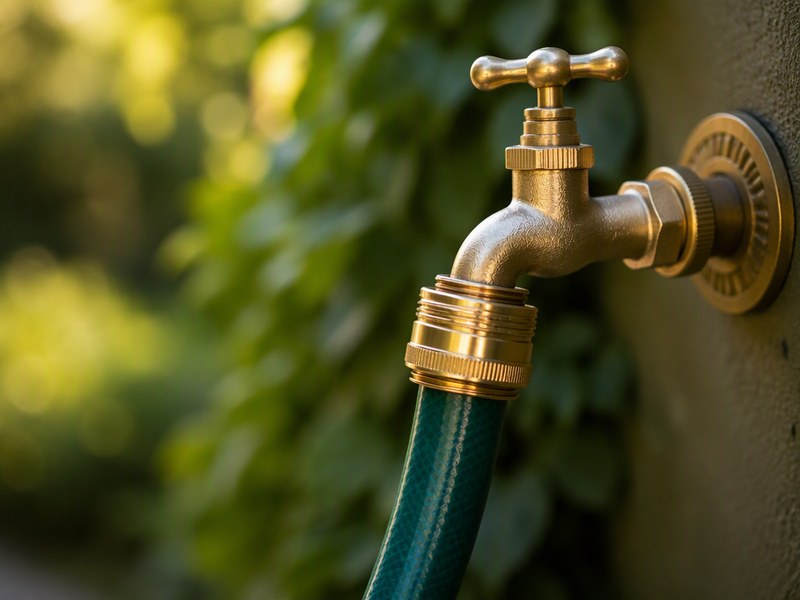
brass 3/4 inch GHT garden hose fitting connected to an outdoor faucet

What Size Is a Garden Hose Fitting? Complete Guide to GHT, Diameters & Adapters

The North American standard is a 3/4-inch GHT thread with 11.5 threads per inch. Wondering what size garden hose fitting you need for your faucet or hose? Here is the short answer: most North American outdoor faucets and garden hoses use a 3/4-inch GHT (Garden Hose Thread) fitting with 11.5 threads per inch — no matter whether […]

What Size Is a Garden Hose Fitting? Complete Guide to GHT, Diameters & Adapters Read More »
How to Choose an Air Compressor Hose: Sizes, PSI & Materials

Choosing the right air compressor hose (also called an air hose) comes down to four specifications: material, inner diameter, working pressure, and length. For most home and workshop tools, a 3/8-inch, 300 PSI rubber or hybrid hose is the safe default — it feeds nail guns, spray guns, and impact wrenches without starving them of

How to Choose an Air Compressor Hose: Sizes, PSI & Materials Read More »

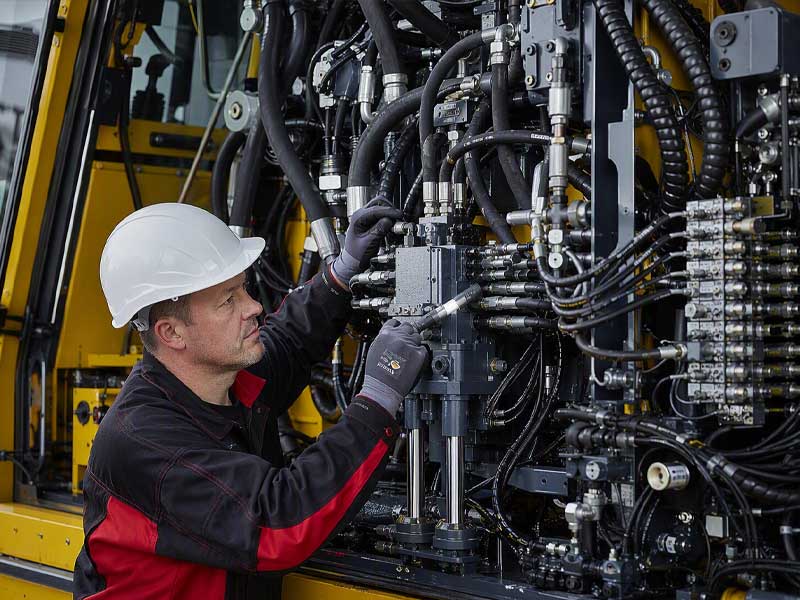
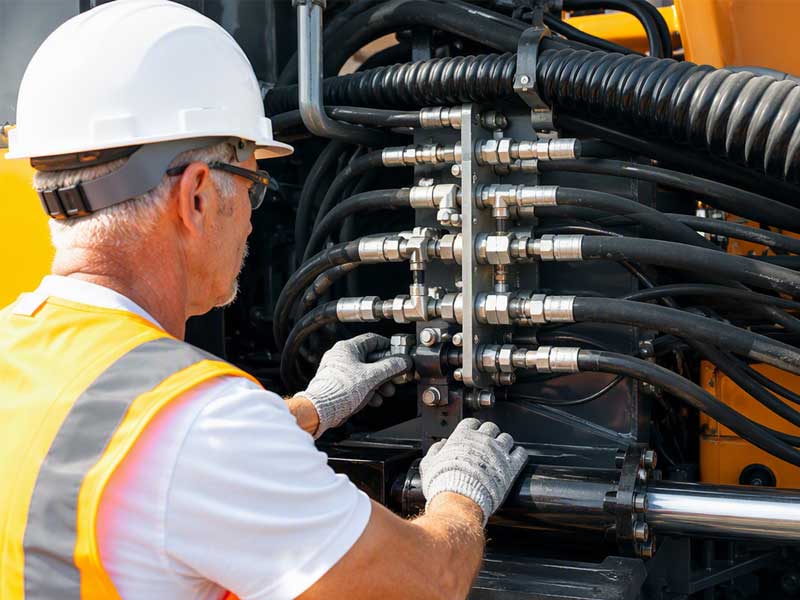
hydraulic system inspection by technician heavy machinery

Hydraulic Hose Inspection Checklist: 15 Failure Signs, Inspection Procedure & Maintenance Guide

How Do You Inspect a Hydraulic Hose? A hydraulic hose inspection involves checking the hose cover, fittings, routing, leakage, abrasion, bend radius, and service condition before equipment operation. The basic inspection steps are: Author Note: This guide is written by the Henghua Hydraulic engineering team. With over 20 years of experience manufacturing hydraulic hose assemblies for

Hydraulic Hose Inspection Checklist: 15 Failure Signs, Inspection Procedure & Maintenance Guide Read More »

hydraulic-hose-protection-sleeve-abrasion-fire-resistant

Hydraulic Hose Protection Sleeve Selection Guide: How to Prevent Abrasion, Heat Damage & Hose Failure

What Is the Best Way to Protect Hydraulic Hoses? The best way to protect hydraulic hoses is to combine proper routing with the right protective sleeve based on your specific operating environment. Hydraulic hoses are best protected by preventing contact damage through correct routing, abrasion-resistant sleeves for mechanical wear, and silicone fiberglass fire sleeves for

Hydraulic Hose Protection Sleeve Selection Guide: How to Prevent Abrasion, Heat Damage & Hose Failure Read More »

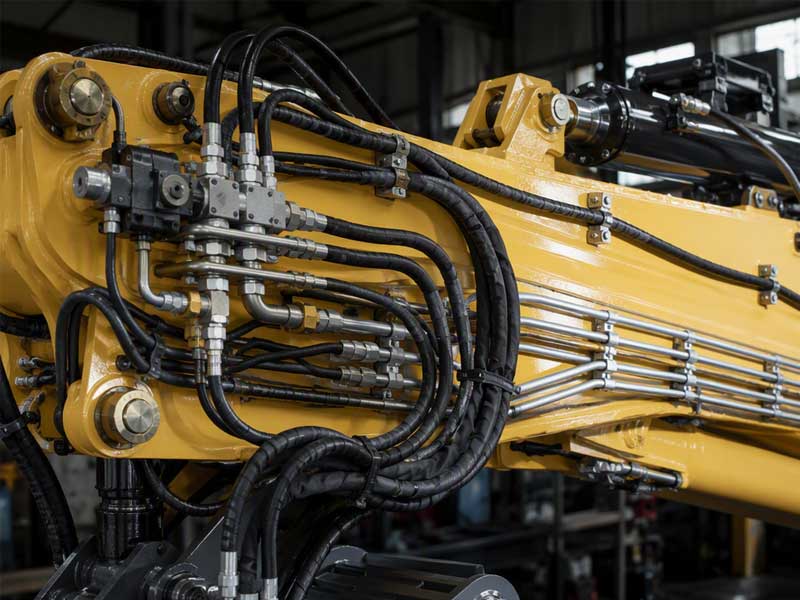
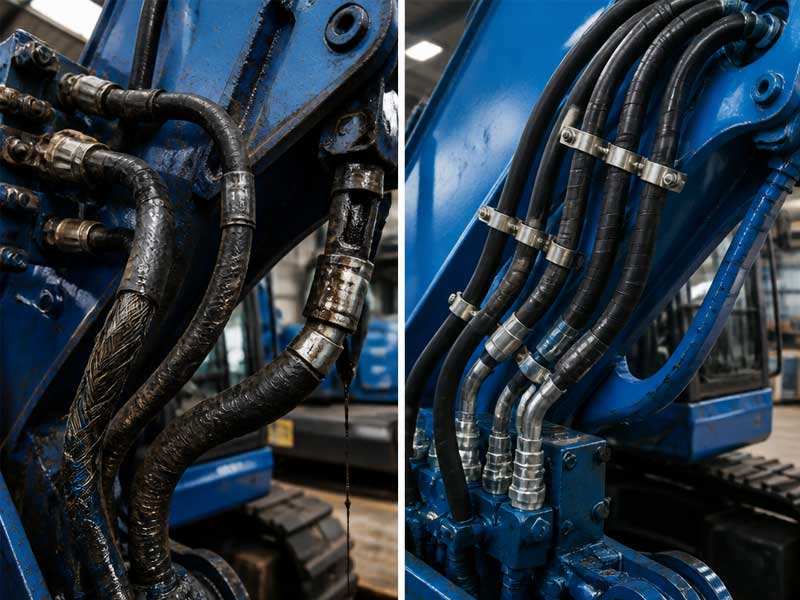
hydraulic hose routing comparison correct vs incorrect

Improper Hydraulic Hose Routing: Causes of Hose Failure, Installation Mistakes & Prevention Guide

Why Does Improper Hydraulic Hose Routing Cause Failure? Improper hydraulic hose routing causes failure by creating excessive mechanical stress, including bending fatigue, torsion, abrasion, heat damage, and fitting stress. The most common failures are hose cover wear, reinforcement damage, leakage, and hydraulic hose burst. Hydraulic Hose Routing Error Why It Fails Failure Result Prevention Sharp

Improper Hydraulic Hose Routing: Causes of Hose Failure, Installation Mistakes & Prevention Guide Read More »

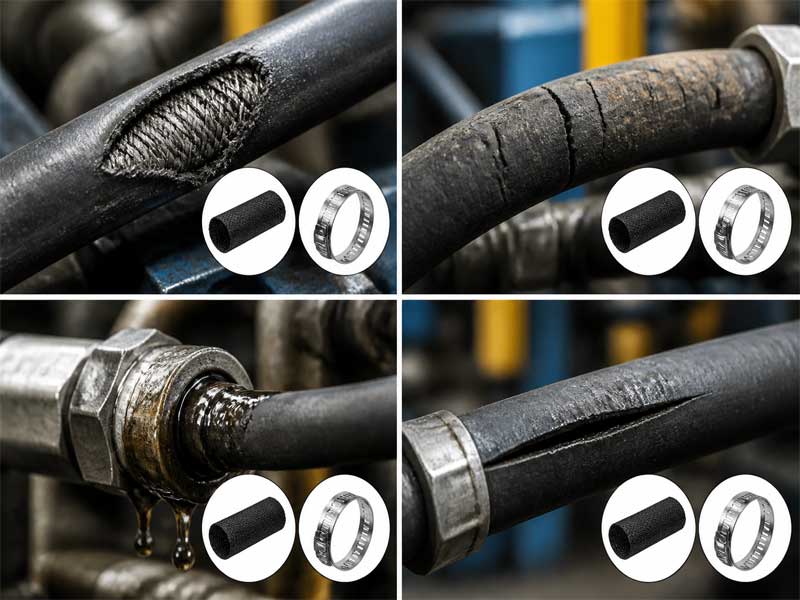
Hydraulic hose failure causes including abrasion, overheating, fitting damage and preventive maintenance

Hydraulic Hose Failure Causes: 10 Common Problems, Troubleshooting & Prevention Guide

Hydraulic hoses usually fail because of a handful of preventable problems, primarily abrasion, incorrect installation, extreme temperatures, fluid contamination, and operation beyond specified pressure or bend-radius limits. Most premature failures are caused by installation problems and external abrasion rather than hose material defects. This guide explains how each failure mechanism develops, how to identify early

Hydraulic Hose Failure Causes: 10 Common Problems, Troubleshooting & Prevention Guide Read More »

A professional engineer performing hydraulic system troubleshooting and preventive maintenance on a complex industrial machine to reduce lifecycle costs.

Hydraulic System Troubleshooting & Maintenance Guide: Common Failures, Preventive Maintenance & Lifecycle Cost Reduction

The 5 Most Effective Ways to Reduce Hydraulic System Maintenance Costs The most effective ways to reduce hydraulic system maintenance costs are: Replacing a reactive “fix-when-broken” approach with these proactive strategies reduces unexpected failures, extends component service life, and significantly lowers total ownership costs. What Is Hydraulic System Troubleshooting? Hydraulic system troubleshooting is the process

Hydraulic System Troubleshooting & Maintenance Guide: Common Failures, Preventive Maintenance & Lifecycle Cost Reduction Read More »

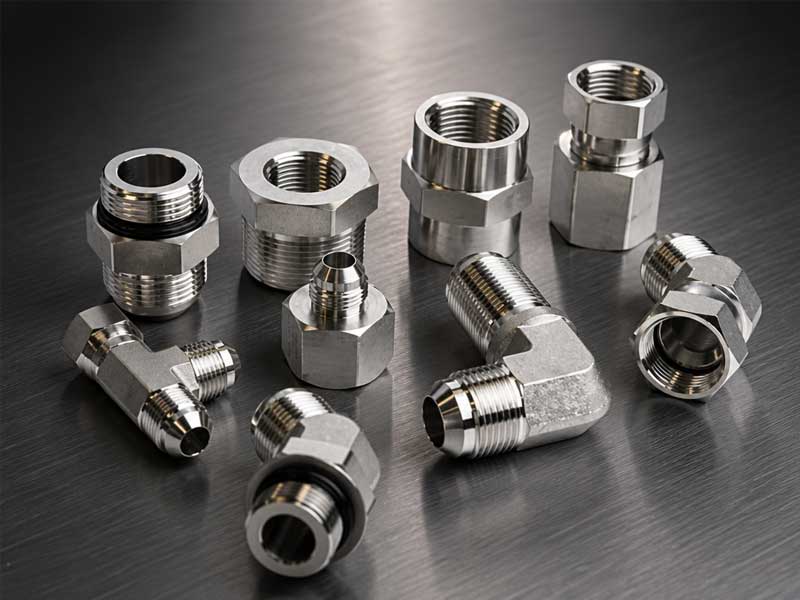
professional hydraulic adapter fitting collection

ASTM B117 Salt Spray Testing for Stainless Steel Hydraulic Fittings: Marine & Offshore Corrosion Resistance Guide

How Many Hours of Salt Spray Testing for Marine Hydraulic Fittings? ASTM B117 exposure durations for marine stainless steel hydraulic fittings commonly range from 240 to 500+ hours depending on material grade, surface treatment, customer specifications, and application severity. 316L stainless steel is generally preferred over 304 for these applications because its molybdenum content provides superior resistance to chloride-induced

ASTM B117 Salt Spray Testing for Stainless Steel Hydraulic Fittings: Marine & Offshore Corrosion Resistance Guide Read More »

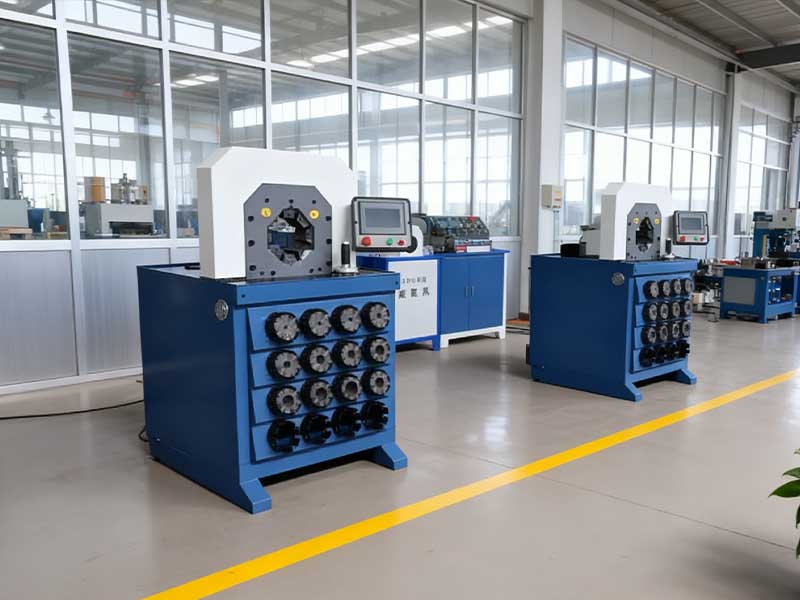
hydraulic hose crimping machines in factory workshop

Hydraulic Hose Crimper Machine: Smart IoT Technology, Benefits, Cost & Buying

Item Information Core Technology IoT Connectivity, Precision Sensors, Digital Automation Primary Function Automated hydraulic hose and fitting assembly Key Benefits High Accuracy, Full Traceability, Reduced Downtime Main Industries Mining, Construction, Automotive, Aerospace, Oil & Gas, Agriculture Future Trends AI Integration, Augmented Reality (AR), Predictive Maintenance A smart hydraulic crimper (also known as a hydraulic hose crimper machine

Hydraulic Hose Crimper Machine: Smart IoT Technology, Benefits, Cost & Buying Read More »

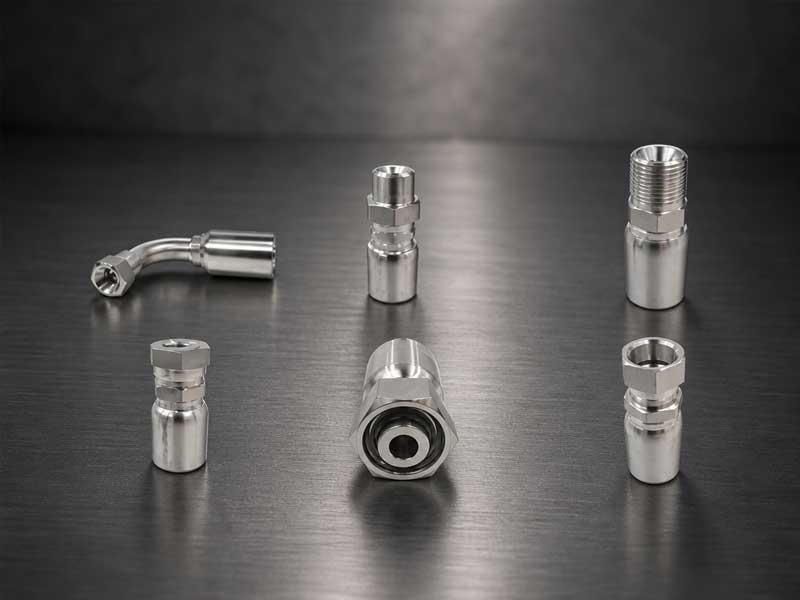
premium hydraulic fitting collection

Reusable vs Crimped Hydraulic Fittings: Pressure Rating, Safety, Cost & Performance Comparison

Reusable vs Crimped Hydraulic Fittings Permanent crimped hydraulic fittings are the preferred choice for high-pressure and safety-critical hydraulic systems because they provide higher pressure ratings, better vibration resistance, and more consistent assembly quality. Reusable hydraulic fittings are better suited for emergency repairs, mobile maintenance, and low-to-medium pressure applications where portability and fast field installation are more important

Reusable vs Crimped Hydraulic Fittings: Pressure Rating, Safety, Cost & Performance Comparison Read More »