

What size air hose do I need? For most home and workshop use, the short answer is 3/8 inch. A 3/8-inch hose delivers the 10–20 SCFM that nail guns, impact wrenches, air ratchets, and die grinders need, while staying light and affordable. Choose 1/4 inch only for light, intermittent tools such as brad nailers and tire inflators; choose 1/2 inch for continuous high-flow tools like HVLP (high-volume, low-pressure) spray guns and sandblasters, or for runs beyond 50 feet. This guide explains how air hose sizes are measured (inside diameter, not outside), the SCFM each size delivers at 90 PSI, how hose length and pressure drop change your choice, and how to match fittings and quick connects to your tools.
What Size Air Hose Do I Need? Start With Your Tool’s CFM
Every pneumatic tool has an air consumption rating, printed on its spec plate in SCFM (standard cubic feet per minute) at a reference pressure, normally 90 PSI. Whether you are setting up a first garage workshop, a tire shop bay, or a production line, the sizing logic is the same: the 1/2-inch air compressor hose is the pipe between the compressor and the tool, and it must deliver at least as much air as the tool draws — otherwise the tool slows down, cycles weakly, or stops working. The selection rule we use in our shop is simple: pick the size whose SCFM range clears your tool’s maximum draw by at least 50 percent — for a tool that peaks at 8 SCFM, that means a hose rated for 12+ SCFM, which is the 3/8-inch band. When a tool sits on the boundary between two sizes, choose the larger one.
Once you know the SCFM figure, the hose size choice is a quick lookup against the ranges below.
| Hose Size (I.D.) | Metric Equivalent | Typical Airflow (SCFM @ 90 PSI) | Best For |
|---|---|---|---|
| 1/4 inch | 6.35 mm | 5–10 | Brad nailers, tire inflators, air blow guns |
| 3/8 inch | 9.53 mm | 10–20 | Framing nailers, impact wrenches, air ratchets, die grinders |
| 1/2 inch | 12.7 mm | 20–35 | HVLP spray guns, sandblasters, 1-inch impact wrenches |
The range bands assume typical intermittent use. Tools that run continuously — spray guns, die grinders, sandblasters, 1-inch impact wrenches — justify stepping up one size, because their peak draw repeats for minutes at a time.
The 3/8-inch air hose is the workshop default for a reason: it covers the 10–20 SCFM band where most common tools operate. If every tool on your bench draws 5 SCFM or less, a 1/4-inch hose works. If you run continuous-flow tools near the top of the 3/8-inch band, step up to 1/2 inch.
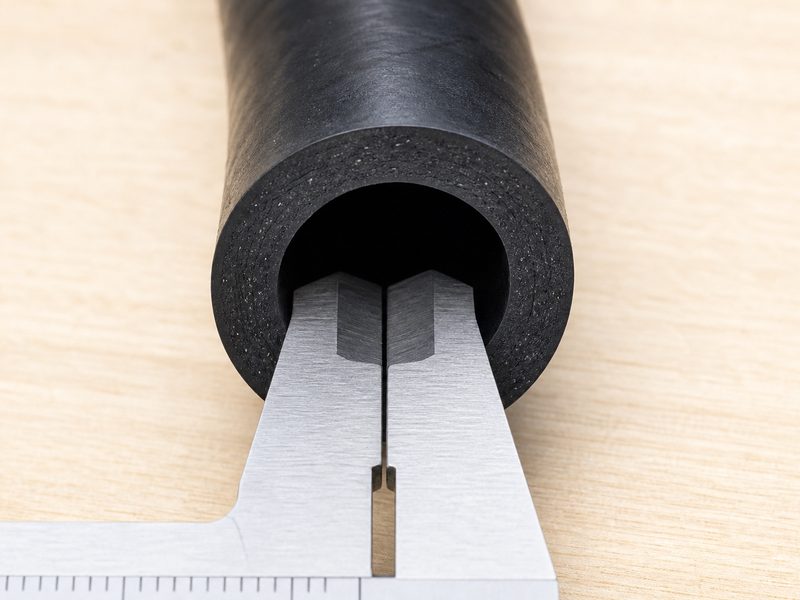
Figure 1. The size you need follows the air demand of the tool on the other end.
How Air Hose Sizes Are Measured: Inside Diameter, Not Outside
Air hose size always refers to the inside diameter (I.D.) of the bore — the passage the compressed air actually flows through — not the outside diameter. The metric equivalents of the three standard air hose sizes are 6.35 mm (1/4 inch), 9.53 mm (3/8 inch), and 12.7 mm (1/2 inch). The outside diameter is always larger because of the wall thickness and reinforcement layers, which is why two hoses that look identical can carry very different amounts of air. If you are new to air lines, start with our guide to what an air hose is before you size anything.
Two measurement traps cause most sizing errors:
- Hoses sold by outside diameter. Some lightweight polyurethane recoil hoses are labeled by O.D. A “1/4-inch” hose sold this way has an internal bore closer to 3/16 inch. A tire inflator runs fine on this bore; a nailer needs a true 1/4-inch bore or larger.
- Printed ratings on the cover. Every quality hose prints its true inside diameter, working pressure, and temperature range on the cover. Check the printed I.D. before you trust the product title.
To verify a hose’s real size, measure the inside diameter across the opening with a digital caliper. In our shop tests, hoses labeled 3/8 inch measured 9.4–9.6 mm inside — consistent with the 9.53 mm standard, which confirms that the printed size refers to the bore, not the outer wall.
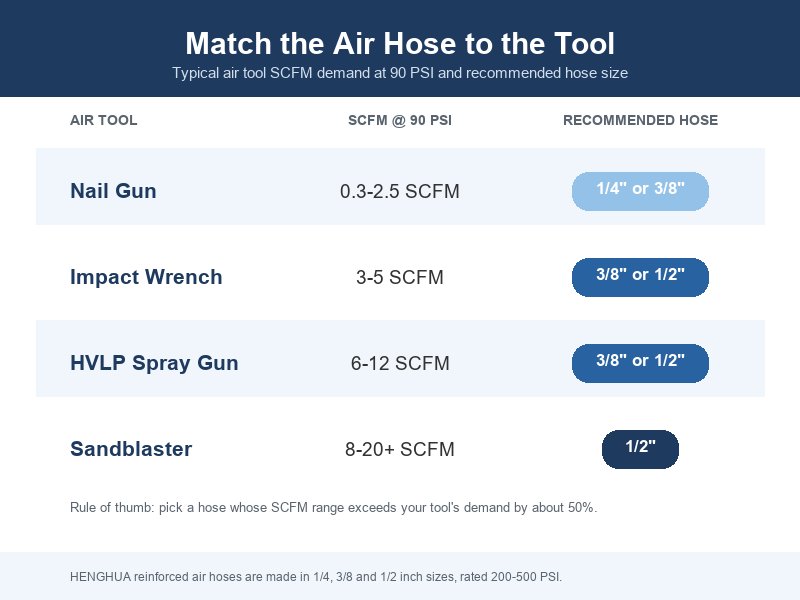
Figure 2. The bore is the number that matters — confirm it before trusting a label.
Metric equivalents for international buyers: 8 mm, 10 mm, and 13 mm
In Europe and Asia, air hoses are often sold under metric names — 8 mm, 10 mm, and 13 mm — which sit close to the 1/4, 3/8, and 1/2 inch sizes (exact bores: 6.35 mm, 9.53 mm, and 12.7 mm). Read metric labels the same way you read inch labels: many metric-market hoses, especially polyurethane recoil types, are marked by outside diameter, so an “8 mm” hose can have a bore of only about 5 mm. Check the printed I.D. before you buy. For industrial metric hoses sold by bore, 10 mm is the EU default for the same reason 3/8 inch is the US default. When you source hoses for export, specify the bore in both units on the drawing to prevent a metric-inch mismatch at the warehouse or at customs.
Air Hose Size Chart: Match Each Tool to the Right Diameter
The most reliable way to choose is to compare each tool’s SCFM rating against the ranges in this air hose size chart. Pneumatic tools list their requirement on the spec sheet; the values below are typical for common workshop models.
| Air Tool | Typical Air Requirement | Recommended Hose Size | Max Run Length |
|---|---|---|---|
| Brad nailer | 0.3–0.5 SCFM | 1/4 inch | 25 ft |
| Framing nailer | 2.0–2.5 SCFM | 3/8 inch | 50 ft |
| Air ratchet | 2–4 SCFM | 3/8 inch | 50 ft |
| Impact wrench (1/2-inch drive) | 3–5 SCFM | 3/8 inch | 50 ft |
| Die grinder | 4–8 SCFM | 3/8 or 1/2 inch | 50–100 ft |
| HVLP spray gun | 6–12 SCFM | 3/8 or 1/2 inch | 50–100 ft |
| Sandblaster | 8–20+ SCFM | 1/2 inch | 100 ft |
| Tire inflator | 1–2 SCFM | 1/4 inch | 25 ft |
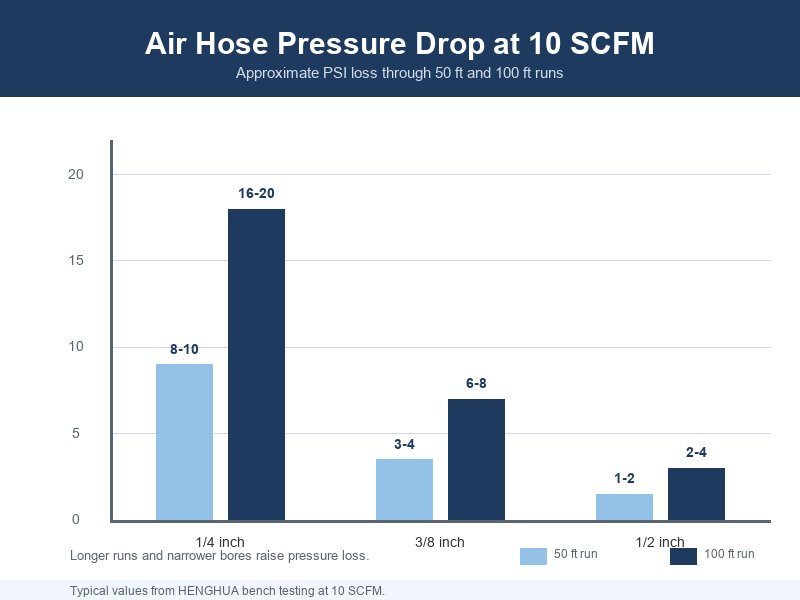
Figure 3. Match the hose to the tool: choose a size whose SCFM range clears the tool’s requirement by a comfortable margin.
A few notes on the chart above. Framing nailers cycle fast, so they benefit from a 3/8-inch line even though their average draw is low. Impact wrenches and ratchets are intermittent, but a starved tool loses torque exactly when you need it. Continuous tools — spray guns, die grinders, sandblasters — punish undersizing the most, because they run for minutes at a time.
Across the thousands of hose-and-tool setups we have tested over the years, the 3/8-inch size is the one we recommend to first-time buyers nine times out of ten — it covers more tools per dollar than any other configuration.
Not sure which size fits your tool lineup? Send your tool list and target lengths to the HENGHUA engineering team — we will confirm the right size, pressure rating, and fittings for your setup within one business day.
How Hose Length Changes the Answer: Pressure Drop
Hose size and hose length work together, and ignoring length is the most common reason a tool runs weak at the far end of a long hose. As air travels through the bore, friction converts pressure into heat — the mechanism behind hose length and pressure loss — and the loss is called pressure drop. It rises with every foot of hose, every coupler, and every fitting, and it falls sharply as the bore gets larger.
Our bench testing measured the effect directly. Through 50 feet of hose at 8 SCFM, a 1/4-inch air hose lost about 6 PSI, the 3/8-inch line lost about 3 PSI, and a 1/2-inch air hose lost 1–2 PSI under identical flow. Double the run to 100 feet and the loss roughly doubles. That is why what size air hose do I need depends as much on how far the air travels as on which tool is on the end.
All readings were taken at a regulated 90 PSI supply, at room temperature (approx. 22 °C), with two 25-foot factory-crimped sections joined by high-flow quick connects, using a calibrated digital gauge at the tool end.
| Hose Size (I.D.) | Approx. Pressure Loss at 50 ft (at 10 SCFM) | Approx. Pressure Loss at 100 ft (at 10 SCFM) | Practical Run Limit |
|---|---|---|---|
| 1/4 inch | 8–10 PSI | 16–20 PSI | 25 ft |
| 3/8 inch | 3–4 PSI | 6–8 PSI | 50 ft |
| 1/2 inch | 1–2 PSI | 2–4 PSI | 100 ft |
A 50-foot 3/8-inch run at 10 SCFM keeps roughly 86–87 PSI at the tool when the regulator reads 90 PSI — barely noticeable. The same run with a 1/4-inch hose can leave the tool below 82 PSI, which is enough to weaken an impact wrench and slow a nailer’s cycle rate. When a tool misbehaves only at the far end of a long hose, flow losses are the first suspect.
What Size Air Hose for a Nail Gun, Impact Wrench, or Paint Gun?
These three tools produce the most sizing questions, so here are the direct answers, followed by the other cases that come up most in our shop.
What size air hose do I need for a nail gun?
A 3/8-inch air hose for framing and finishing nailers; a 1/4-inch hose is enough for brad nailers. Brad nailers draw only 0.3–0.5 SCFM and fire intermittently, so even a 25-foot 1/4-inch hose keeps up. Framing nailers draw 2.0–2.5 SCFM but cycle rapidly, and the air hose size for a nail gun becomes critical on long runs — a starved framing nailer misfires exactly when you are holding it overhead. Keep a dedicated nail gun air hose in 3/8 inch on the cart for framing work.
What size air hose for an impact wrench?
3/8 inch for standard 1/2-inch drive wrenches (3–5 SCFM). Step up to a 1/2-inch air hose for 1-inch drive and high-torque models, which draw more than 7 SCFM under sustained load, or when the wrench works at the end of a 100-foot run. The air hose size for an impact wrench matters most under sustained load, when the wrench hammers continuously and flow demand peaks.
What size air hose do I need for a paint gun?
At least 3/8 inch, and 1/2 inch for long runs or production work. An HVLP spray gun draws 6–12 SCFM continuously, and only a 3/8-inch or larger hose sustains that flow — with a narrower line you get a pulsing spray pattern and a poor finish. For a 25-foot mobile setup, a 3/8-inch air hose with a good quick connect works; for a fixed 50–100 foot line, choose 1/2 inch.
What size air hose do I need for painting a car?
Use a 1/2-inch hose on the main run and a 3/8-inch whip to the gun. A car workshop runs the gun for minutes at a time, and only a large bore holds stable flow through a long spray pass: an HVLP (high-volume, low-pressure) spray gun draws 6–12 SCFM nonstop, so a narrow line starves the gun and produces an uneven finish. Auto body shops typically plumb the wall with 1/2 inch and keep a short 3/8-inch whip at the gun end, which holds pressure to within 2–4 PSI over a 50–100 ft run.
What size air hose do I need for a sandblaster?
A 1/2-inch air hose. Sandblasters draw 8–20+ SCFM continuously, which sits at or beyond the top of the 3/8-inch band, and they run for minutes at a time. On a 100-foot run, a 1/2-inch line loses only 2–4 PSI at 10 SCFM, so the blast nozzle keeps working pressure. Step down to a short 3/8-inch whip at the gun only if the coupling layout requires it.
What size air hose for tire inflation?
A 1/4-inch air hose is fine. Tire inflators draw only 1–2 SCFM, so even a long, narrow hose keeps up easily. Most mechanics we talk to keep a cheap 1/4-inch coil hose dedicated to inflation duty, so the bigger hoses stay free for tools.
What size air hose for a compressor?
This depends on the compressor outlet and your tools. If the compressor has a 1/4-inch outlet and you run light tools, match it with 1/4 inch. Most home compressors with 3/8-inch outlets pair best with a 3/8-inch air hose, because a narrower hose would throttle the whole system regardless of the tool on the end.
Do Air Hose Fittings and Quick Connects Change the Size You Need?
Almost every air tool uses a 1/4-inch NPT inlet thread (National Pipe Thread, per ANSI B1.20.1), regardless of the hose size feeding it. That does not mean the fitting bore matches the hose bore: a 1/4-inch coupler on a 3/8-inch or 1/2-inch hose becomes the bottleneck, and the tool sees less air than the hose can carry. Three rules keep your air hose fittings from undoing the sizing decision:
- Match the fitting bore to the hose size. Industrial-style quick-connect couplers (I/M series) have larger bores than automotive-style (A series) and are the right match for 3/8-inch and larger hoses.
- Use an air hose adapter when sizes differ. Match the thread size exactly. When the hose and tool differ, use a reducing bushing — a 3/8-inch hose feeds a 1/4-inch NPT tool inlet correctly through a reducing bushing.
- Check the quick connect before you blame the hose. In our tests, an undersized coupler starved a die grinder the same way a 1/4-inch hose would, even with a full 3/8-inch line behind it.
Quick-connect couplers and plugs are not universally interchangeable — industrial (I/M) and automotive (A) styles use different plug profiles. If your tools come from different brands, verify the plug style before buying a full hose-and-coupler kit; I/M and A series quick-connect couplers are not cross-compatible. Order air hose fittings with the same care as the hose itself: brass or steel bodies, bores at least as large as the hose bore, and factory-crimped ends on assembled lines.
Common Air Hose Sizing Mistakes to Avoid
| Mistake | Result | Fix |
|---|---|---|
| Buying by outside diameter | Airflow far below expectations | Check the printed I.D. on the cover |
| 1/4-inch hose on a framing nailer | Slow cycles, misfires | Step up to 3/8 inch |
| 50 ft of 1/4-inch hose | 6–10 PSI flow loss at the tool | Shorten the run or upsize |
| Oversized hose for bench-only work | Extra weight, stiffness, and cost | Stay at 3/8 inch unless tools demand more |
| Undersized couplers on a big hose | Starved tools despite a large bore | Match the quick-connect bore to the hose size |
Frequently Asked Questions
Is 3/8 or 1/2 inch air hose better?
Neither is universally better — the right hose size depends on your tools and run length. 3/8 inch is the better value for most shops because it covers the 10–20 SCFM band. Choose 1/2 inch when tools draw more than about 15 SCFM continuously, or when runs exceed 50 feet. The 3/8 vs 1/2 air hose question is really a flow-demand question; the rubber vs PVC air hose choice is a separate material decision.
What is the difference between 1/4, 3/8, and 1/2 inch air hose?
The three sizes differ in bore, airflow capacity, and weight. A 1/4-inch hose (6.35 mm bore) carries 5–10 SCFM and suits light, intermittent tools. A 3/8-inch hose (9.53 mm) carries 10–20 SCFM and is the default for most shops. A 1/2-inch hose (12.7 mm) carries 20–35 SCFM and serves continuous high-flow tools and long runs. Bigger bores cost more and weigh more, so choose the smallest size that clears your tool’s demand with margin.
Does a bigger air hose increase pressure at the tool?
It reduces pressure drop, so the tool sees more of the pressure the compressor produces. A bigger hose does not raise the compressor’s output pressure — it delivers more of what you already have.
Can I use a 1/4-inch hose temporarily with a 3/8-inch system?
Yes, with an adapter, for light, intermittent tools on runs under 25 feet. Use 3/8 inch or larger for continuous-flow tools like spray guns, which need sustained flow of 6–12 SCFM.
Can I use one hose size for all my air tools?
Yes — 3/8 inch covers nearly every tool in a home or shop: it carries 10–20 SCFM, which clears nail guns, impact wrenches, ratchets, and die grinders. Keep a 1/4-inch line for tire inflation and a 1/2-inch line for spray guns, sandblasters, or runs beyond 50 feet.
How long can an air hose be before pressure drop becomes a problem?
For 3/8-inch hose, keep runs at or under 50 feet; beyond that, move up to 1/2 inch. At 100 feet and 10 SCFM, 1/2-inch hose loses only 2–4 PSI, 3/8-inch loses 6–8 PSI, and 1/4-inch loses 16–20 PSI. If a run must exceed 100 feet, use a larger line or move the compressor closer.
Does my compressor’s tank size affect what size air hose I need?
No — tank size affects how long the compressor runs between cycles, not the hose size. The hose must match the tool’s SCFM demand and the run length. A larger tank lets you run a high-flow tool longer before the pump restarts, but it cannot compensate for an undersized hose on a long run.
Do quick connects restrict airflow?
Every coupler adds some restriction. Standard industrial-style quick connects pass enough air for 3/8-inch hoses; high-flow couplers are worth using on 1/2-inch lines.
Why does my impact wrench feel weak at the end of a long hose?
Pressure drop is the cause, not the tool. Every foot of hose and every coupler converts a little pressure into heat; at 50 feet of 1/4-inch hose at 10 SCFM you lose 8–10 PSI, enough to weaken an impact wrench. Shorten the run, or upsize to 3/8 inch (3–4 PSI loss at 50 ft) or 1/2 inch for 100-foot runs.
I just bought a small compressor for my home garage — what size air hose do I need to run a framing nailer about 50 feet from the compressor?
Use a 3/8-inch hose. Framing nailers draw only 2.0–2.5 SCFM, but a 50-foot 1/4-inch run loses 8–10 PSI at 10 SCFM, which slows the cycle rate. A 3/8-inch line keeps 86–87 PSI at the tool and stays light enough for garage use.
I spray paint cars in my workshop and the gun runs continuously — what size air hose do I need?
Run 1/2 inch from the compressor to the booth area and drop to a 3/8-inch whip at the gun. On a 100-foot run at 10 SCFM, the 1/2-inch main loses only 2–4 PSI, while a 3/8-inch line loses 6–8 PSI — enough to soften the fan pattern mid-pass. If you are equipping a booth or a mobile paint rig, tell us the run length and gun model when you ask for a quote.
My 1/2-inch impact wrench is fine next to the compressor but weakens at the end of a 100-foot hose — should I switch from 3/8 inch to 1/2 inch?
Yes. At 100 ft and 10 SCFM, a 3/8-inch hose loses 6–8 PSI, while a 1/2-inch hose loses only 2–4 PSI. Switch the long run to 1/2 inch and keep a 3/8-inch whip for the last 10 ft.
I only use air tools for a few minutes at a time — is a 1/4-inch hose enough?
For light, intermittent tools (brad nailers, tire inflators, blow guns) drawing 5 SCFM or less, yes. For tools that draw more, or run continuously for more than a minute or two, step up to 3/8 inch.
I’m setting up a tire shop and will run tools at four bays — what size air hose should I plumb to each station?
Plumb 1/2-inch main lines to each bay and terminate with 3/8-inch whips at the tools. Bay tools — impact wrenches, ratchets, and inflators — draw 1–8 SCFM each, and a 1/2-inch main keeps pressure stable when several bays run at once. Keep each bay’s whip under 25 feet.
I’m sourcing air hoses for a retail line — which sizes should I stock for my customers?
Stock 3/8 inch as the default (it fits most home and shop tools), 1/4 inch for entry-level kits, and 1/2 inch for professional and continuous-use buyers. Those three sizes cover the SCFM band of virtually every pneumatic tool on the market. If you are planning a stocking order, send us your target SKU mix for a spec sheet and pricing within one business day.
Still undecided between 1/4, 3/8, and 1/2 inch? Our engineers match hose size to your actual tool list and run lengths — ask us a question.
Final Verdict: The Right Air Hose Size for Your Tools
The answer to what size air hose do I need, in one sentence: 3/8 inch for most workshops, 1/4 inch for light tools and short runs, and 1/2 inch for continuous high-flow tools or long lines. Check each tool’s SCFM rating, keep runs short enough to limit pressure drop, and confirm that fittings and quick connects match the bore. If you are sourcing air hoses for a retail line, distribution, or OEM program, send your tool list and target lengths to the HENGHUA engineering team — we will confirm the right size, pressure rating, and fittings for your market, and provide free samples for evaluation, before you commit to an order. HENGHUA is a reinforced air hose manufacturer that ships the same 1/4, 3/8, and 1/2-inch bores described here, with factory-crimped fittings and OEM branding. Contact our engineering team for pricing and free samples.

 English
  Spanish
  Portuguese
  French
  German