
Hot Air Blower Hose
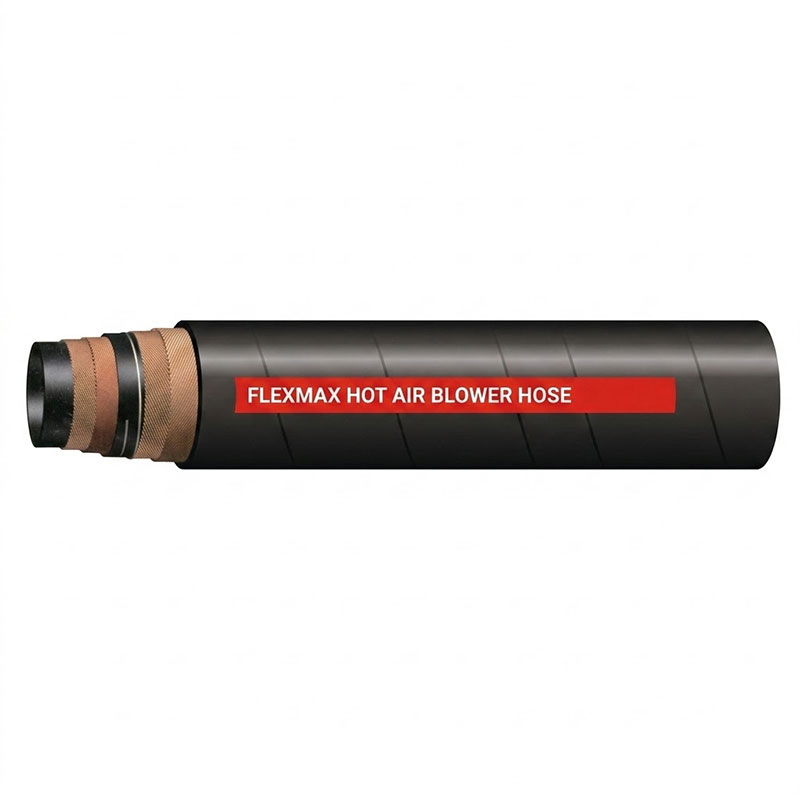
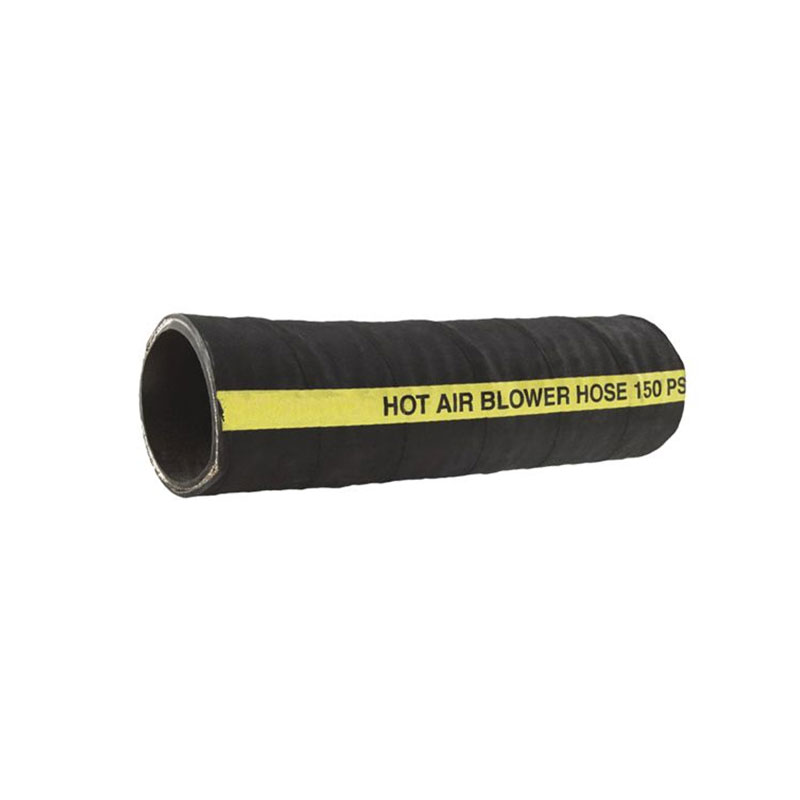
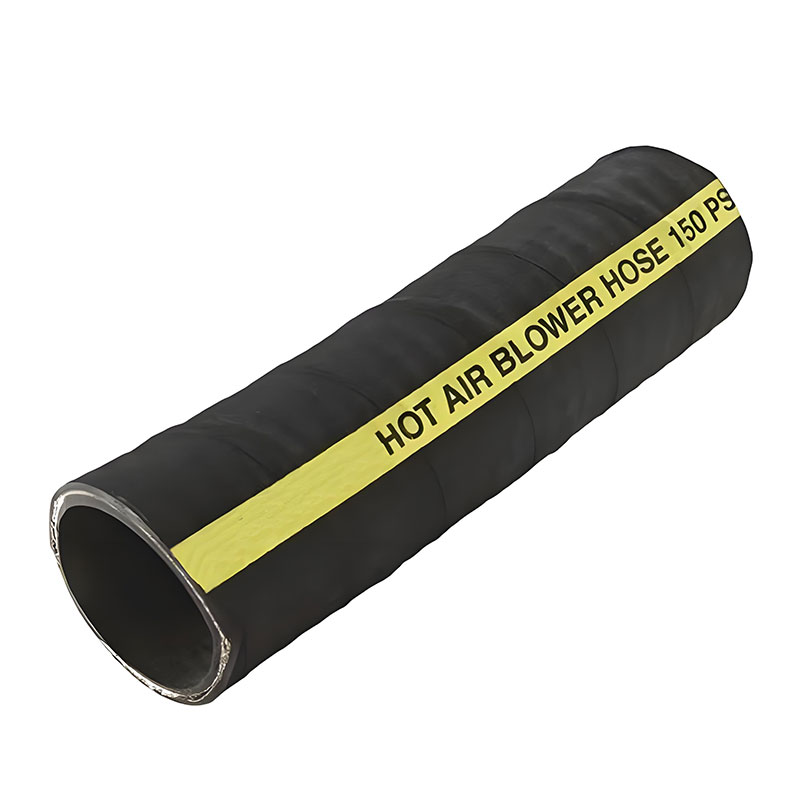
Hot air blower hose is a high-temperature EPDM rubber hose used to transfer hot compressed air in pneumatic conveying systems, especially for cement tanker unloading. It offers full vacuum resistance, high flexibility, and continuous heat tolerance up to 149°C (300°F), with intermittent capability to 177°C (325°F).
Also Known As
This product is also known as:
- Hot air hose
- Cement tanker hose
- Pneumatic conveying hose
- Fly ash unloading hose
- Bulk material transfer hose
- High temperature air hose
- Vacuum air hose
- EPDM air hose
- Dry bulk unloading hose
- Industrial hot air hose
Industry Experience
With over 20 years of experience in manufacturing industrial rubber hoses, we have supplied hot air blower hoses to cement plants, bulk logistics fleets, and pneumatic conveying system integrators worldwide. Our factory has produced millions of meters of cement tanker hose for customers across 60+ countries. This depth of experience ensures every pneumatic conveying hose leaving our facility meets the demanding requirements of real-world dry bulk unloading operations.
What Is a Hot Air Blower Hose?
A Hot Air Blower Hose is a high-temperature EPDM rubber hose specifically designed for pneumatic conveying systems. It transfers hot compressed air from a blower unit into dry bulk tanker trucks, where the air fluidizes materials such as cement, fly ash, or plastic pellets for efficient unloading. This hose features full vacuum resistance, lightweight polyester cord reinforcement, and continuous heat tolerance up to +149°C (+300°F), with intermittent capability up to +177°C (+325°F). Compared with standard air hoses or wire braided hydraulic hoses, the hot air blower hose offers superior thermal stability, vacuum collapse resistance, and longer service life in high-temperature dry air applications. This structure ensures a balance between heat resistance, flexibility, and vacuum stability for demanding pneumatic conveying environments.
Product Overview
The Hot Air Blower Hose is manufactured with a black EPDM tube and cover, reinforced by multiple plies of polyester tire cord. Key performance parameters include a working pressure range of 5 to 10 bar (75 to 150 psi) depending on diameter, with a 3:1 safety factor to burst pressure. Core advantages include high heat resistance, full vacuum rating across all sizes from 1-1/2″ to 6″, excellent flexibility for tight truck chassis installations, and superior anti-aging properties. Primary applications involve dry bulk material trucks, cement tankers, fly ash unloading, grain handling, and industrial pneumatic conveying equipment. This hose solves critical pain points such as heat-induced hardening, vacuum collapse during suction, and short service life in hot air transfer environments. As a professional manufacturer from china, we provide quality assurance through raw material traceability, 100% factory testing, and compliance with international heat resistance standards. The Hot Air Blower Hose is not rated for steam service, ensuring correct product selection for hot air applications only. This makes the hot air blower hose an essential component in modern dry bulk pneumatic conveying systems.
How Does a Hot Air Blower Hose Work?
A hot air blower hose works by transferring high-temperature compressed air from a blower unit into a dry bulk tanker. Inside the tanker, the hot air fluidizes dry bulk materials such as cement, fly ash, or plastic pellets. This fluidization process reduces material density and allows the contents to discharge efficiently through pneumatic conveying systems. The hose must maintain structural integrity under both positive pressure during blow cycles and full vacuum during suction phases. The EPDM tube resists heat degradation while the polyester cord reinforcement prevents collapse under vacuum. This operating principle is identical across cement tanker hose, fly ash unloading hose, and bulk material transfer hose applications. This working mechanism explains why the hot air blower hose is fundamentally different from standard air hoses or hydraulic hoses used for oil pressure applications.
Real-world application example: In cement tanker unloading operations, a 3-inch hot air blower hose is commonly used to deliver heated compressed air from truck-mounted blowers to fluidize cement for discharge. This specific configuration has proven effective across thousands of bulk logistics operations worldwide.
Key Advantages of Hot Air Blower Hose
- Superior Heat Resistance: EPDM tube and cover withstand continuous operation at +149°C and intermittent exposure up to +177°C, preventing premature aging and failure.
- Full Vacuum Rating: All sizes maintain full vacuum without collapse, critical for dry bulk material unloading and pneumatic conveying systems.
- Excellent Flexibility: Lightweight polyester cord reinforcement allows easy handling and installation in confined spaces.
- Anti-Aging Performance: EPDM rubber resists ozone, UV, and thermal degradation, delivering extended outdoor service life.
- Multiple Pressure Options: Working pressures range from 5 to 10 bar (75 to 150 psi) with 3:1 safety factor across all sizes.
- Cost-Effective Solution: Compared to wire spiral hose or high pressure hydraulic alternatives, this hose provides optimal price-to-performance for hot air applications.
Detailed Technical Specifications Table
| Item Code | I.D. (inch) | I.D. (mm) | O.D. (mm) | W.P. (bar) | W.P. (psi) | B.P. (bar) | B.P. (psi) | Max L (m) | Max L (ft) |
|---|---|---|---|---|---|---|---|---|---|
| HABH038 | 1-1/2″ | 38 | 50 | 10 | 150 | 30 | 450 | 61 | 200 |
| HABH050 | 2″ | 50.8 | 64 | 10 | 150 | 30 | 450 | 61 | 200 |
| HABH064 | 2-1/2″ | 64 | 76 | 10 | 150 | 30 | 450 | 61 | 200 |
| HABH076 | 3″ | 76.2 | 91 | 10 | 150 | 30 | 450 | 61 | 200 |
| HABH089 | 3-1/2″ | 89 | 104 | 7 | 100 | 21 | 300 | 61 | 200 |
| HABH102 | 4″ | 102 | 120 | 5 | 75 | 15 | 225 | 61 | 200 |
| HABH127 | 5″ | 127 | 144 | 5 | 75 | 15 | 225 | 61 | 200 |
| HABH152 | 6″ | 152 | 170 | 5 | 75 | 15 | 225 | 30.5 | 100 |
Note: Maximum length for 6″ size is 30.5 meters (100 feet). Contact supplier for custom bulk orders. Request pdf specification for complete technical data on this industrial hot air hose.
Structure and Materials
- Tube: Black EPDM rubber formulated for high heat resistance, preventing thermal degradation and maintaining air flow purity.
- Reinforcement: Multiple plies of polyester tire cord providing structural integrity, vacuum resistance, and flexibility.
- Cover: Black heat-resistant EPDM rubber with excellent anti-aging, ozone, and weather resistance properties.
This construction differs fundamentally from wire braided hydraulic hose used for oil pressure applications. The high temperature flexible hose prioritizes heat tolerance and lightweight flexibility over extreme hydraulic pressure capacity. This structure ensures a balance between heat resistance, flexibility, and vacuum stability for pneumatic conveying hose applications.
Hot Air Blower Hose vs. Other Hose Types – Comparison Guide
| Feature | Hot Air Blower Hose | Standard Air Hose | Wire Braided Hose | Wire Spiral Hose |
|---|---|---|---|---|
| Max Temperature | +177°C intermittent | +70°C | +100°C | +120°C |
| Vacuum Rating | Full vacuum | Partial | Not rated | Not rated |
| Reinforcement | Polyester cord | Textile or wire | Single wire braid | Multiple wire spirals |
| Flexibility | Excellent | Good | Fair | Poor |
| Weight | Lightweight | Medium | Heavy | Very heavy |
| Best Use | Hot dry air | Shop air | Medium pressure oil | High pressure hydraulic |
| Typical Price | Moderate | Low | High | Very high |
When to choose EPDM hot air hose over wire reinforced alternatives: For dry bulk unloading, cement tanker applications, and pneumatic conveying systems operating above 100°C, the EPDM hot air hose is the correct choice. For oil-based fluids or pressures above 10 bar, select wire braided hose or wire spiral hose instead.
What Is the Difference Between EPDM and NBR Air Hose?
This is a common question when selecting high temperature air hose. EPDM (Ethylene Propylene Diene Monomer) and NBR (Nitrile Butadiene Rubber) serve different purposes:
| Property | EPDM | NBR |
|---|---|---|
| Heat Resistance (dry air) | Excellent up to +177°C | Poor above +100°C |
| Oil Resistance | Poor | Excellent |
| Ozone/Weather Resistance | Excellent | Fair |
| Flexibility at high temperature | Maintained | Hardens |
| Best Application | Hot dry air, pneumatic conveying | Oil mist, fuel, lubricants |
Conclusion: For hot air blower hose and cement tanker hose applications, EPDM is the correct material choice. For oil-resistant applications, select NBR-based wire braided hose instead.
Typical Applications of Hot Air Blower Hose
The hot air blower hose is widely used in the following pneumatic conveying scenarios:
- Cement tanker unloading systems – transferring hot air to fluidize cement powder for gravity discharge. This is the primary application for cement tanker hose.
- Fly ash pneumatic conveying – power plant byproduct handling with high temperature resistance. A dedicated fly ash unloading hose is essential here.
- Plastic pellet transfer systems – preventing material bridging during unloading.
- Grain handling and drying equipment – moving heated air for moisture reduction.
- Industrial blower and compressor systems – flexible connection between stationary blowers and mobile tankers.
- Dry bulk material trucks – standard equipment for pneumatic tanker fleets. Any bulk material transfer hose must meet these requirements.
- Mining and construction sites – on-site bulk material transfer using vacuum air hose capable of both pressure and suction.
Real-world application example: In cement tanker unloading operations, a 3-inch hot air blower hose is commonly used to deliver heated compressed air from truck-mounted blowers to fluidize cement for discharge. This specific configuration has proven effective across thousands of bulk logistics operations worldwide.
This makes the hot air blower hose an essential component in modern dry bulk pneumatic conveying systems, particularly for bulk unloading hose applications.
How to Choose the Right Hot Air Blower Hose – Professional Selection Guide
Selecting the correct high temperature air hose requires evaluating five key parameters:
1. Temperature Requirement
- Continuous operation up to +149°C: Use standard Hot Air Blower Hose
- Intermittent exposure up to +177°C: Acceptable within duty cycle limits
- Above +177°C or steam: Do not use – select dedicated steam hose
2. Pressure Rating
- 10 bar (150 psi): Suitable for 1-1/2″ to 3″ diameters
- 5-7 bar (75-100 psi): For 3-1/2″ to 6″ diameters
- Always maintain 3:1 safety factor between working and burst pressure
3. Diameter Selection
- Smaller diameters (1-1/2″ to 3″): Higher pressure, longer lengths available (61m)
- Larger diameters (4″ to 6″): Lower pressure, shorter maximum length (30.5m for 6″)
4. Length and Assembly
- Standard lengths: 30.5m or 61m rolls
- Custom hose assembly: Available with crimped fittings, reusable fittings, adapters, or flanges
- On-site requirements: Consider pre-assembled hoses with protective sleeves and guards
5. Fittings Compatibility
- Crimped fittings: Permanent, leak-free, recommended for critical applications
- Reusable fittings: Field-installable, good for repairs and custom lengths
- Adapters: NPT, BSP, camlock, and flanged connections available
This selection approach ensures optimal performance and maximum service life for your dry bulk unloading hose application. Contact our team for assistance choosing the right industrial hot air hose for your specific equipment.
What Hose Is Used for Cement Tanker Unloading?
The correct hose for cement tanker unloading is an EPDM hot air blower hose with full vacuum rating and minimum +149°C continuous temperature capability. Cement tankers require hoses that can handle both the heat from the blower and the vacuum during material fluidization. Standard rubber hoses fail quickly in this application due to heat hardening and vacuum collapse. The cement tanker hose must also resist abrasion from cement dust and maintain flexibility in outdoor conditions. This is why EPDM construction with polyester cord reinforcement is the industry standard for cement tanker unloading hose applications. For cement and fly ash handling, always specify a dedicated pneumatic conveying hose rather than a general-purpose air hose.
Hose Assembly Solutions – Complete System Integration
A complete hose assembly includes the hose body plus properly attached ends. For Hot Air Blower Hose, we offer:
- Crimped Fittings: Permanently attached using hydraulic crimping machines, providing leak-free performance under full vacuum and pressure cycles.
- Reusable Fittings: Field-installable options for on-site repairs and custom length assemblies without special tools.
- Adapters: NPT, BSP, camlock, and flanged connections for equipment compatibility across different brands.
- Flanges: Heavy-duty connections for truck-mounted blower outlets and stationary silo connections.
- Protective Sleeves: Thermal protection layers for high-temperature zones and abrasion resistance at contact points.
- Guards: Bend restrictors and impact protectors for coupling junctions.
Factory-pre-assembled hoses are more reliable than field-assembled alternatives, as crimping pressure is precisely controlled and every assembly is tested before shipment. This makes hose assembly services essential for fleet operators requiring consistent performance.
Solving Industry Pain Points with Hot Air Blower Hose
Problem 1: Frequent hose hardening and cracking from truck engine heat and hot air exposure
- Solution: EPDM rubber compound maintains flexibility up to +177°C intermittent, extending service life by 3-5 times compared to standard rubber hoses. This addresses the #1 complaint from bulk material transfer hose users.
Problem 2: Vacuum collapse during tank unloading creates flow restrictions and downtime
- Solution: Full vacuum rating across all sizes ensures hose maintains round cross-section under suction, preventing flow interruption. Any vacuum air hose must pass this requirement.
Problem 3: Heavy, stiff hoses cause operator fatigue and difficult connections
- Solution: Lightweight polyester reinforcement allows easy handling and quick coupling changes, reducing worker strain. A true flexible hot air hose should never be a burden to handle.
Problem 4: Short service life in high-temperature pneumatic conveying environments
- Solution: Anti-aging EPDM formulation resists thermal degradation, ozone cracking, and UV damage for extended outdoor service. This makes our industrial hot air hose a long-term investment.
Technical Standards and Certifications
The Hot Air Blower Hose is manufactured following recognized international standard specifications for heat-resistant rubber hoses. As a professional rubber hose manufacturer, we provide:
- Material certification for EPDM tube and cover
- Dimensional compliance report
- Heat aging test results (ASTM D573)
- Vacuum collapse test data
- Pressure test certificates
For OEM ODM projects, custom compliance documentation is available. Request pdf copies of all specification documents for our high temperature air hose products.
Brand and Quality Assurance – Why Choose Us
As a leading hot air hose manufacturer in china, we operate as a direct factory, producer, distributor, wholesaler, and exporter. This vertical integration eliminates middlemen, allowing us to offer competitive discount pricing on bulk orders while maintaining strict quality control.
Service, Support, Solution, Source, Supply – these five pillars define our commitment. We provide:
- Complete Traceability: Each production batch receives unique identification from raw material to finished goods tracking.
- 100% Factory Testing: Every hose undergoes pressure testing before shipment.
- Third-Party Validation: Independent laboratory testing available for large projects.
- Quality Management: ISO 9001 certified production processes.
- Global Reach: Serving customers in over 60 countries with fast supply and technical support.
For customers seeking a reliable supplier of EPDM air hose, we deliver consistent quality, competitive price, and engineering expertise. This quality assurance system ensures every cement tanker hose leaving our factory meets your expectations.
Installation, Operation, and Maintenance Guide
Installation Tips
- Cut hose square using a sharp blade or rotary cutter for proper fitting assembly
- Avoid tight bending radii below 10x hose I.D. to prevent kinking
- Use protective sleeves where hoses contact sharp edges or hot surfaces
- Install guards at coupling junctions to prevent pull-out stress
Operation Guidelines
- Do not exceed +177°C intermittent or +149°C continuous temperature limits
- Not for steam service – use dedicated steam hoses for moist heat applications
- Verify blower output pressure matches hose working pressure rating
Maintenance
- Inspect quarterly for surface cracking, hardening, or blistering
- Replace immediately if inner tube shows melting or deformation
- Store indoors away from ozone sources (electric motors, transformers)
Following these guidelines extends the service life of your bulk unloading hose and prevents unexpected failures during operation.
Frequently Asked Questions (FAQ)
Q: What is a hot air blower hose used for?
A: A hot air blower hose is used to transfer hot compressed air from a blower unit into dry bulk tanker trucks for fluidizing and unloading materials like cement, fly ash, grain, and plastic pellets.
Q: What hose is used for cement tanker unloading?
A: The correct hose for cement tanker unloading is an EPDM hot air blower hose with full vacuum rating and minimum +149°C continuous temperature capability. This is the industry standard for cement tanker hose applications.
Q: What is the best hose for high temperature air transfer?
A: For dry hot air transfer up to +177°C, an EPDM rubber hose with polyester cord reinforcement is the best choice. EPDM maintains flexibility at high temperatures while polyester prevents vacuum collapse. This high temperature flexible hose outperforms NBR or general-purpose alternatives.
Q: What is the difference between EPDM and NBR air hose?
A: EPDM excels in high-temperature dry air applications (up to +177°C) with excellent weather resistance. NBR is better for oil resistance but fails above +100°C in hot air service. For hot air blower hose applications, EPDM is the correct choice.
Q: Can hot air blower hose handle vacuum and pressure at the same time?
A: Yes. The Hot Air Blower Hose is rated for full vacuum and working pressure simultaneously. The polyester cord reinforcement provides structural integrity under both positive pressure (blowing) and negative pressure (suction) conditions, which is essential for pneumatic conveying hose applications.
Q: Is hot air blower hose suitable for steam applications?
A: No. The Hot Air Blower Hose is explicitly not for steam service. Steam requires specialized hoses rated for moist heat and higher pressures. Using this EPDM air hose for steam will cause rapid degradation and failure.
Q: What is the minimum bend radius for hot air blower hose?
A: For optimal service life, maintain a bend radius of at least 10 times the hose I.D. For a 2″ bulk unloading hose, minimum radius is approximately 20 inches (500mm).
Q: Can I get custom lengths for my dry bulk tanker fleet?
A: Yes. As an OEM ODM factory, we produce custom lengths beyond standard 61m or 30.5m rolls for large projects. Contact us for bulk orders of pneumatic conveying hose.
Q: What is the safety factor for this high temperature air hose?
A: Minimum burst pressure is 3 times working pressure (3:1 safety factor) across all sizes, meeting international standard requirements for vacuum air hose applications.
Q: Where can I download the specification PDF?
A: Request our complete specification document and price list for all High Pressure Hose and Hot Air Blower Hose products. PDF files for our industrial hot air hose are available via email.
Q: What fittings work best for hot air blower hose assembly?
A: Crimped fittings provide the most reliable hose assembly for hot air applications. Reusable fittings are acceptable for field repairs. Adapters and flanges are available for specific equipment connections.
Q: How does pneumatic conveying hose differ from hydraulic hose?
A: Pneumatic conveying hose like the Hot Air Blower Hose is designed for high-temperature dry air, full vacuum, and flexibility. Wire braided hose and wire spiral hose are designed for high-pressure oil and are not suitable for hot air or vacuum applications.
Q: How do I become a distributor or wholesaler?
A: We welcome distributor, wholesaler, and exporter partnerships worldwide. Contact our sales team for volume discount and territory information on our bulk material transfer hose products.
Contact us today for pricing on hot air blower hose, cement tanker hose, fly ash unloading hose, bulk material transfer hose, pneumatic conveying hose, or any industrial hot air hose requirement.
As a direct factory and supplier from china, we provide:
- Wholesale and bulk pricing with discount for volume orders
- OEM ODM customization – length, branding, packaging
- Free pdf specification sheets and cost estimates
- Technical support for fittings, assembly, and installation
- Fast supply from our global distributor network
- Complete hose assembly with crimped fittings, protective sleeves, and guards
- Expert advice on selecting the right EPDM air hose for your application
Request a quote now. Email your specifications or call our sales team.
Inquiry for Our Product
We are a global supplier of hydraulic fittings and equipment, serving a wide range of sectors with a one-stop sourcing solution. Our products include hydraulic hoses, fittings, adapters, quick couplers, connectors, hose guard, hydraulic equipment and more-everything you need to keep your operations running smoothly and efficiently.
Tell us your requirements using the form below. Our team will respond with expert guidance and a customized quote to keep your operations running smoothly.
- Hydraulic Hose2727 products
- Steel Wire Spiraled Hydraulic Hose66 products
- Steel Wire braided Hydraulic Hose1010 products
- Textile Reinforced Hydraulic Hose33 products
- Thermoplastic Hydraulic Hose33 products
- Industrial Hose5959 products
- Air Hose99 products
- Water Hose1111 products
- Oil Hose1616 products
- Chemical Hose66 products
- Steam Hose33 products
- Multipurpose Hose22 products
- Food & Beverage Hoses44 products
- Concrete Hose44 products
- Cement Hose22 products
- Material Handling Hose1111 products
- Dredge Hose44 products
- Hydraulic Fittings162162 products
- Reusable Hose Fittings66 products
- Socketless Hose Fittings88 products
- JIC Hydraulic Fittings1515 products
- Metric Hydraulic Fittings3838 products
- NPT Hydraulic Fittings66 products
- BSP Hydraulic Fittings2626 products
- SAE Hydraulic Fittings3030 products
- Banjo Hydraulic Fittings44 products
- ORFS Hydraulic Fittings1111 products
- Ferrule1111 products
- Flange Fittings2626 products
- One Piece Fittings2323 products
- Hydraulic Adapters9494 products
 English
  Spanish
  Portuguese
  French
  German