
Composite hose weight is the number that decides how a line is handled, and handling decides how long it lasts. A hose that two people can lift gets moved when it should be moved. A hose that needs a crane gets dragged, and a dragged hose damages its cover, its fittings and eventually its liner.
This guide breaks the weight into its parts, shows how to estimate it before the quotation arrives, and sets out where the handling limit changes the specification rather than the technique.
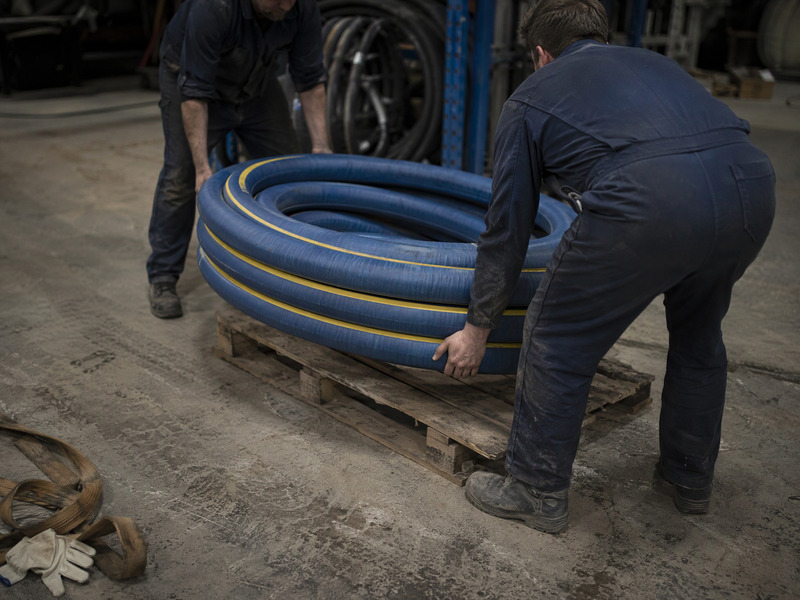
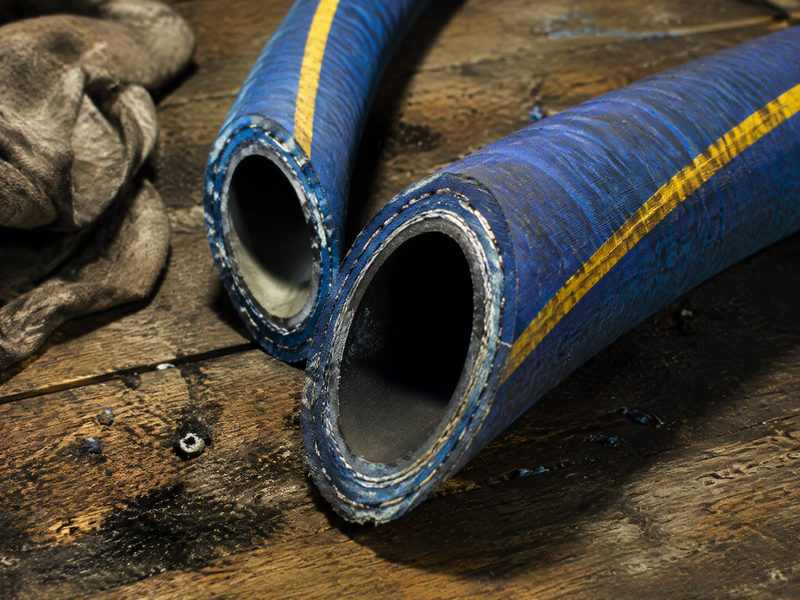
Figure 1. Two people, one coil. The point at which a hose stops being a manual lift is the point where handling damage begins.
What Makes Up the Weight?
Four contributions, and their proportions change with bore.
The wall is the largest single contribution at small sizes: films, fabric and cover, all of which scale with diameter and wall thickness. The helix adds a fixed mass per meter of wire that depends on its diameter and material. The end fittings add a discrete mass at each end, which matters more on short assemblies than on long ones. And the product adds the largest contribution of all once the hose is full.
Composite hose weight is therefore not one figure, and the support layout has to use the right one. It is an empty figure and a filled figure, and the second is the one that a support or a crane has to carry.
At 2 inch the empty hose dominates the handling calculation. At 6 inch the product dominates, and the empty weight becomes almost irrelevant to the structure. The size chart sets the bore before either figure matters.
How Do You Estimate Weight Before the Quote?
Ask for the hose weight per meter for the build, then add the fittings and the product.
The per-meter figure should come with the build description, because a PTFE liner and a PP liner at the same bore differ, and a heavier helix differs again. A generic figure for the bore is a starting point and not a specification.
Multiply by length, add the fitting mass, and you have the empty assembly weight. Then calculate the product volume from the bore and the length, multiply by density, and add it.
That second step is where estimates go wrong. A filled six-inch line holds far more mass than the hose itself, and a layout designed on the empty figure will sag.
For planning, ask the supplier for both figures in writing. A hose weight per meter value that arrives with the quotation is more useful than one that arrives with the invoice.
How Do the Contributions Compare?
| Component | Small bore | Large bore | Note |
|---|---|---|---|
| Wall and cover | Dominant | Significant | Scales with diameter |
| Helix | Moderate | Significant | Wire mass per meter |
| End fittings | Small | Significant | Dominant on short assemblies |
| Product when filled | Moderate | Dominant | Scales with area and length |
Table 1. Where the mass sits on a composite hose assembly. The bottom row is the one a support design has to carry.
The table explains a pattern that surprises buyers: a short large-bore assembly can weigh more than a long small-bore one, because the fittings and the product dominate.
Why Does Filled Weight Matter More Than Empty?
Every structure under the hose is designed for the worst case, and the worst case is full.
A support rated on the empty hose will deflect when the line fills, and the deflection becomes a low point that holds product after the transfer. A crane pick planned on the empty weight will be overloaded at the moment it matters.
Filled weight also changes the shape of the hose. A line that hangs straight empty will sag into a curve when full, and that curve has a radius that nobody designed.
Two habits follow. Design supports and lifting for the filled condition, and state the product density on the drawing so the next engineer does not have to guess.
Where Does the Manual Handling Limit Bite?
Every site has a manual handling limit, usually expressed per person, and the limit is the point where a hose stops being moved and starts being dragged.
The exact figure belongs to the site’s safety policy, and it is lower than most crews assume. What matters for specification is that the limit is reached at a smaller bore than people expect, particularly once the hose is full.
That is why a manual handling limit is a design input rather than a training topic. If the hose exceeds it, the answer is a lighter build, a smaller bore, a mechanical aid or a fixed installation, and each of those is decided at specification stage.
A crew that knows the weight before the lift plans the lift. Training helps at the margin. It does not make a heavy hose light, and a crew that has to break a rule to move a hose will break it.

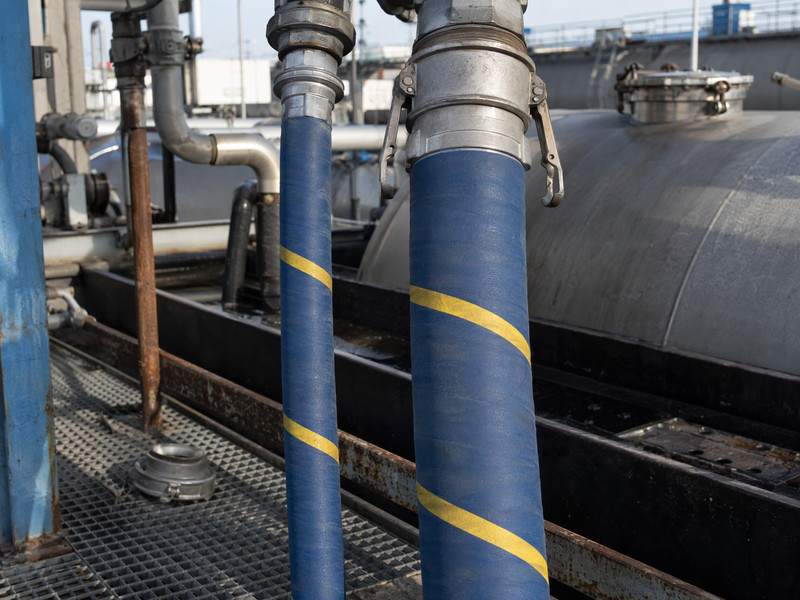
Figure 2. A coil under a sling. The hook carries the mass and the sling decides where it is carried, which is the detail a lift plan fixes before the pick.
| Assembly | Typical handling | Planning note |
|---|---|---|
| 2 inch, short | One person | Check the filled weight anyway |
| 3 inch, 5 m | One to two people | Two is the realistic number |
| 4 inch, 5 m filled | Two people or a trolley | Support at the bend |
| 6 inch, filled | Cradle or crane | Plan the pick before delivery |
| 8 inch, filled | Mechanical only | Treat as a small installation |
Table 2. Handling method by size. The filled column is the one that decides, and it is often two sizes below where crews expect.
What Adds Weight Beyond the Bore?
Five things, and they are often invisible in a quotation.
Line thickness matters, because a heavier wall is more mass. Helix material matters, because stainless is denser than aluminium and a heavier wire adds directly. End fittings matter, because a 6 inch flange assembly weighs several times a camlock assembly at the same bore.
Cover type matters, because a heavy abrasion-resistant cover adds mass along the whole length. And length matters most of all, because every other contribution is multiplied by it.
A specification that names the bore and nothing else will produce a hose of unpredictable mass. One that names the wall, the helix and the ends produces a figure that can be checked against the handling limit before the order.
How Does Large Bore Hose Weight Change the Installation?
A large bore hose weight changes three things: the support, the lifting and the storage. The bend radius moves with them, because a heavier hose needs a wider curve and a wider curve needs more room on the route.
Support moves from saddles to cradles, because the contact area has to grow with the mass. Lifting moves from people to equipment, and the equipment needs a plan rather than an improvisation on the day.
Storage moves from a hook to a rack or a pallet, because a heavy coil cannot be hung safely on a single bracket, and a bracket rated for a light hose is not a bracket for a heavy one. That sounds like housekeeping and it is a safety item. A coil that falls is a serious event, and a heavy coil is the one most likely to fall.
The practical consequence is that a large bore hose is a small project rather than a purchase. Composite hose weight is the figure that turns a purchase into a project, and it is worth chasing at enquiry stage rather than after the order. A weight that arrives once the build is fixed can be accommodated, not designed around.
What Should a Specification Say?
Six lines.
The bore and the build, with the liner and the helix material. The length, and the number of assemblies. The end fittings and their material. The empty weight per assembly, and the filled weight at the product density. The handling method intended. And the support spacing the layout assumes.
A supplier who can answer the weight lines is a supplier who builds to a drawing rather than to a catalogue, and the datasheet is where those lines belong. That is the same supplier who will tell you when a requested build exceeds a handling limit.
Where the weight is close to the limit, ask for a lighter option. Aluminium ends and a thinner cover may solve it, and both are cheaper than a crane.
What About Coiled Weight and Storage?
A coiled hose concentrates its mass in a small volume, which changes how it is stored and moved.
A coil that weighs more than a person can lift should not be lifted by the coil. It should be moved on a pallet or a trolley, with the coil restrained so it cannot unroll.
The coil diameter also matters. A tight coil takes a set and can kink the helix, so the storage coil should respect the bend radius in the same way the installed route does. A hose stored outside its radius is a hose that fails at the first installation.
Where Does the Weight Figure Come From?
A hose weight per meter figure should come from the build, not from a table by bore.
The build defines the wall thickness, the helix and the cover, and each of those changes the mass. Two 4 inch hoses with different liners and different covers can differ by enough to cross a handling threshold, which is why the figure has to be quoted rather than assumed.
Ask for it in writing with the quotation, and ask for the filled figure separately. A supplier who quotes only the empty weight has answered half the question.
For planning purposes, use the empty figure for storage and the filled figure for support, lifting and crew size. Keeping the two separate is what prevents a layout that looks adequate on paper.
How Do You Plan a Lift?
Three steps, and none of them is optional.
Establish the filled weight of the assembly, including fittings. Compare it with the site manual handling policy and with the capacity of whatever lifting equipment is available.
Then plan the route: where the hose is picked, where it is set down, and what it passes over. A lift that crosses a walkway needs a plan, not a hand signal, and a plan takes ten minutes at a desk.
Then plan the support at the destination, because a hose that is lifted into place and then rests on a pipe stub has simply moved its problem.
Large bore hose weight planning is usually the point where a plant discovers that its store is on the wrong side of the building. Better to discover it at specification than on the day.
Does the Cover Add Weight?
It does, and buyers rarely include it in the estimate.
A standard cover is a thin coated fabric. A heavy abrasion-resistant cover, the kind specified for a hose that is dragged across concrete, is thicker and denser along the whole length. On a long assembly that difference is measurable, and on a short one it is not.
The same logic applies to fire-retardant covers and to covers with an additional external layer for chemical splash. Each buys a property and pays for it in mass.
Composite hose weight quoted without the cover type is therefore approximate. If the duty needs a heavy cover, ask for the weight with that cover rather than with the standard one, because the difference may be the margin that decides a lifting method.
What About Export Packing?
Packing is not part of the hose and it is part of the shipment, so it belongs in the weight conversation.
A coiled hose in a crate weighs more than the same hose in a wrap, and a pallet of several assemblies is a lift that needs equipment regardless of each individual weight.
Composite hose weight figures quoted for handling are usually assembly figures. Shipping documents need the gross figure, including packing, pallets and any dunnage.
Getting those two numbers confused is how a container is planned at the limit and arrives overweight, which is a composite hose weight error that shows up at the port rather than in the plant. Ask for both: the assembly weight for handling, and the gross shipping weight for logistics.
Häufig gestellte Fragen
How heavy is a 4 inch composite hose?
It depends on the build and the length, and the size chart gives the bore context. Ask for the weight per assembly rather than per meter, because the fittings are a significant share at short lengths.
Does the product weight count?
Yes. Supports, cranes and handling plans must use the filled weight, which is usually the dominant figure on large bore lines.
At what size does a hose need a crane?
A hose needs a crane once the filled assembly exceeds the site’s manual handling limit. That is a policy figure rather than a universal one, and it arrives at a smaller bore than most crews expect on a full line.
Do aluminium fittings save much weight?
Aluminium fittings save enough weight to change a handling decision at 4 inch and above. They trade corrosion resistance, so they suit dry service better than wet chloride.
Why does my hose sag when filled?
The support was designed on the empty weight. Add supports or reduce spacing, and check the drain slope again afterwards.
Can a heavy hose be dragged instead of lifted?
It can, and the cover and fittings pay for it. Dragging is the most common cause of abrasion damage on large bore assemblies.
How do I reduce weight without reducing bore?
Specify aluminium ends, a lighter cover and the thinnest wall the duty allows. Each saves mass and each has a limit.
Can one fitter handle a 4 inch hose alone?
On a short empty assembly, often yes; on the same length filled, usually not. The filled figure decides, and the site’s manual handling policy is written against it, so a two-person lift is a specification question rather than a training one.
Über HENGHUA
HENGHUA supplies composite hose from 1 inch to 8 inch and will state the empty and filled weight per assembly for the build ordered, so handling and support can be planned before delivery. Lighter options are quoted where a build approaches a handling limit.
Send the bore, the length and the product density, and we will return the weights and the handling method they imply.

 English
 Spanish
 Portuguese
 French
 German
 Arabic
 Russian
 Indonesian
 Japanese
 Korean