
A composite hose OEM programme lets a distributor or brand owner sell hose built to its own specification, with its own label, packaging and documents. The factory keeps the winding, bonding and test records. The four decisions that shape the programme are the build specification, the private label scope, the marking rules and the QC gates. Get those in writing and the rest is scheduling.
This guide covers what can be customised and what should not be. It explains how minimum order quantities are actually set, what the standard requires on the marking, and which QC gates belong in the contract before the first shipment. It also explains how to structure a first order so that a sample failure costs a week rather than a container.
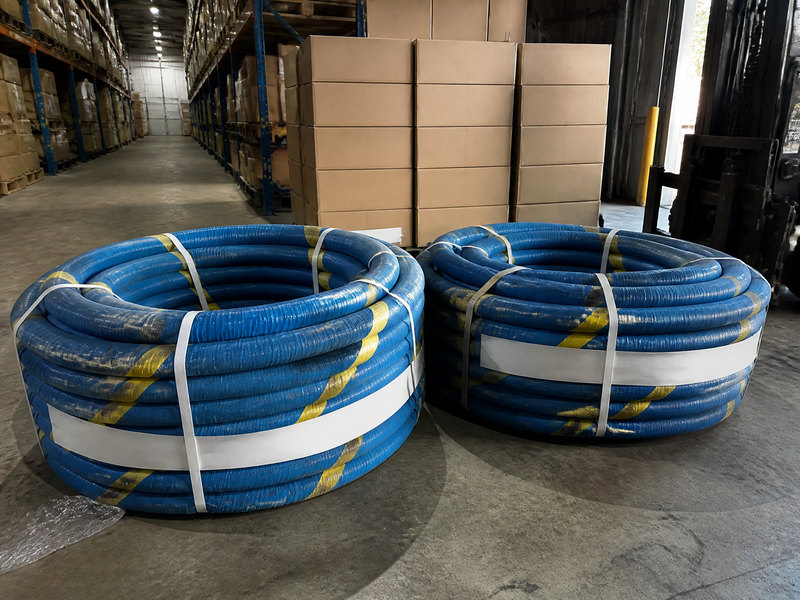
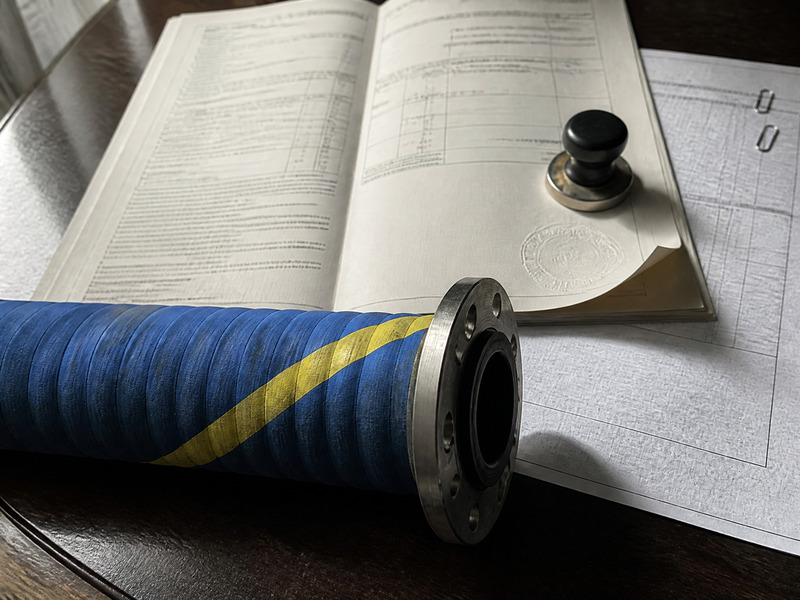
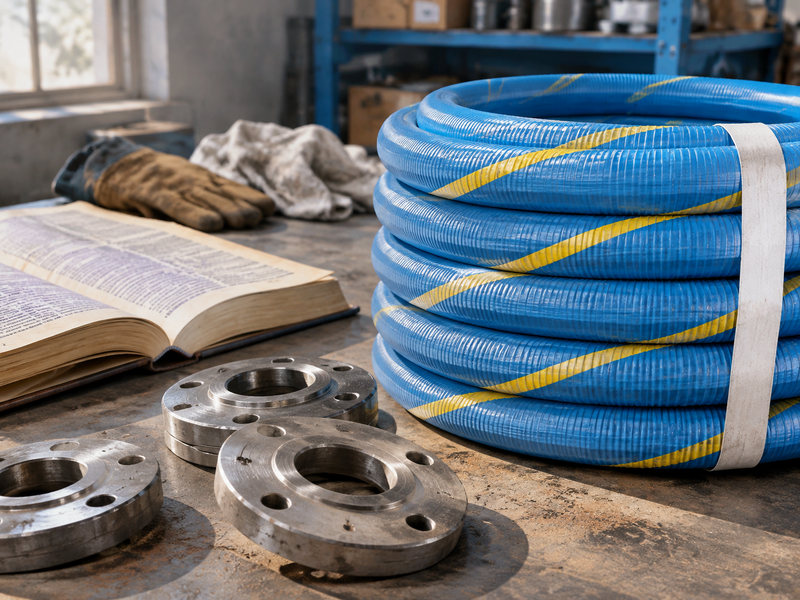
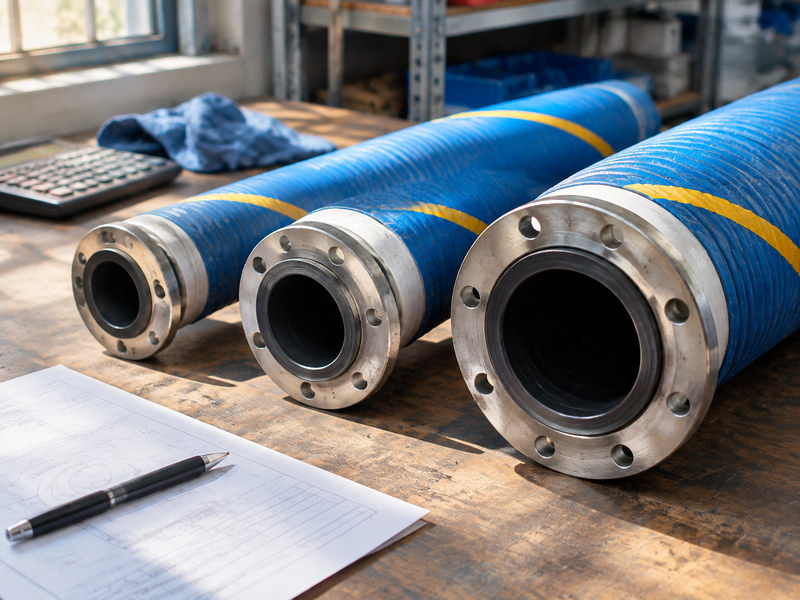
Figure 1. Neutral cartons on the rack and plain white bands on the coils: nothing on either identifies an end customer until the artwork is approved.
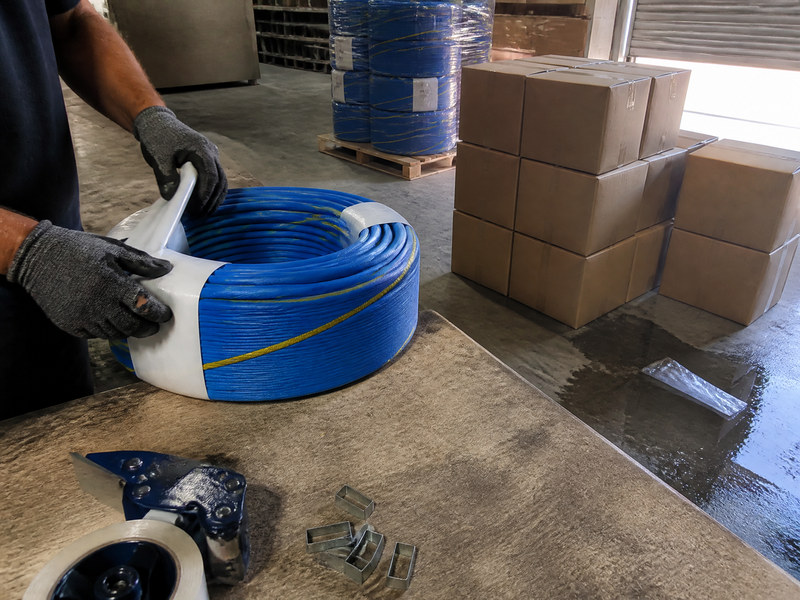
Figure 2. A band going on by hand, with plain cartons already stacked behind: this is the stage after the sample and the artwork are signed off. Specification, sample, artwork, production and documents run in that order, and the table below gives what each produces.
What Does Composite Hose OEM Cover?
It covers the parts of the product that carry your brand rather than the factory’s: the label, the cover print, the packaging, the marking layout and the document set. Underneath those, the build stays a composite hose, which means the wall stack, the helix and the end fittings still follow the construction rules rather than the buyer’s preference.
The ownership boundary matters. A brand owner can specify bore, length, lining, end connections, working pressure and test regime, because those are engineering choices with consequences the buyer owns. A brand owner cannot ask for a thinner film to reduce cost and still expect the pressure rating, because the rating follows the wall.
The practical definition we use is simple: an OEM or private label programme changes how the product is identified and packed, and may change the specification within the limits of the standard. It does not change the physics.
Which Decisions Belong to You and Which to the Factory?
| Decision | Who owns it | Why |
|---|---|---|
| Bore, length, end connections | Buyer, with factory advice | Fits the application and the berth |
| Lining material | Buyer, checked against the medium | Chemical compatibility is a buyer responsibility |
| Working pressure and type | Joint, tied to the standard | The rating must match proof and burst values |
| Wall build and film thickness | Factory | Determines pressure, vacuum and service life |
| Helix material | Joint, driven by medium | Corrosion resistance is a chemical decision |
| Cover compound and colour | Buyer | Brand, abrasion and UV exposure |
| Marking layout | Buyer, within the marking clause | Identity and traceability |
| Test regime | Buyer, with factory capability | Evidence for the terminal or the insurer |
Table 1. Ownership of specification decisions in a composite hose OEM programme. The middle column is where disputes start when it is left unstated.
A brand owner who takes the lining decision also takes the compatibility risk, and that should be said out loud in the programme documents. The factory can advise, and a good one will refuse a lining that is obviously wrong for the medium, but the technical file that justifies the choice sits with the brand.
How Is Composite Hose MOQ Set?
Minimum quantity is a function of four variables: bore, lining, marking method and packing. Bore drives material consumption per metre, so a large bore consumes a production run faster than a small one. Lining drives the minimum purchase of film, which is often the binding constraint for a specialty material. Marking and packing drive setup time rather than material.
That is why a single MOQ number across a range is usually a simplification. A programme may run at a low quantity in polypropylene and a much higher one in PTFE. The reason is not that the factory is being difficult: the film has to be bought in a roll. Ask for the MOQ broken down by bore and lining, and you will see where the real constraint sits.
Two levers reduce the effective minimum. Sharing a production run across several lengths of the same bore and lining spreads the setup cost. Accepting a standard marking layout with a label rather than a printed cover removes a printing setup entirely. Both are worth discussing before the quantity is fixed.
What Can Be Private Labelled?
A private label composite hose programme can cover the label on the hose, the printing on the cover, the packaging, the documentation and the outer carton. Each has a different cost and a different lead time, and mixing them up is how programmes slip.
- Hose label: brand, product code, size and any approved symbols.
- Cover print: brand and product family along the length, subject to legibility after coiling.
- Packaging: coil wrap, reel, or straight length in a crate.
- Documents: certificate, test record, packing list and instructions under your branding.
- Carton: brand, handling marks and barcode.
List 1. Elements that can be private labelled, in ascending order of setup effort.
Packaging deserves a note of its own, because it is where programmes quietly lose money. A coil wrap that looks handsome in a photograph may not survive a pallet stacked three high, and a crate that protects a flange face may double the freight volume.
Storage decides how much of the shelf life survives the journey. A coil kept out of direct sun, on a rack rather than on concrete, with the flange faces capped and the bore plugged, arrives in the condition it left in. A cover that has hardened in UV, or a flange face that has taken a knock in a shared container, is a defect found at installation rather than at goods-in.
A private label cannot replace the information the standard requires, because that information is what makes the hose traceable at a terminal. In a composite hose OEM programme the brand and the required fields occupy the same band, and the layout has to be designed for both from the start. Brand artwork goes alongside the required marking, not instead of it.
What Does EN 13765 Require in the Composite Hose Marking?
The standard separates hose marking from assembly marking, and both apply when you sell an assembly. Hose marking identifies the product and its rating. Assembly marking adds the identity of the finished unit, which is what an inspector reads at the rack.
| Marking element | Hose | Assembly |
|---|---|---|
| Manufacturer or responsible party | Required | Required |
| Type or designation | Required | Required |
| Nominal bore | Required | Required |
| Pressão de serviço | Required | Required |
| Date of manufacture or batch code | Required | Required |
| Assembly identification | Not applicable | Required |
Table 2. Marking content by product class. The composite hose marking layout has to accommodate the required fields before brand artwork is added.
Two practical points follow. First, the marking method has to survive the service environment: a printed band that fades in sunlight is not traceability. Second, the layout has to be readable on a coiled hose, which usually means repeating the information at intervals rather than printing it once.
Where a customer asks for a marking that omits the working pressure to avoid confusing end users, the answer is no. The field is required, and removing it creates an inspection problem for whoever installs the hose.
What Goes Wrong Most Often?
The failures we see in a composite hose OEM programme cluster in three places, and none of them is about the hose itself. They are about assumptions that were never written down.
The first is an unstated assumption about the composite hose MOQ. A buyer plans a first order of two hundred metres across four lengths. The factory quotes on the basis of one run per length, and the price arrives four times higher than expected. Breaking the MOQ down by bore and lining before the quotation avoids the surprise.
The second is marking approval that happens after production. Artwork is agreed by email, the factory prints what it has, and the delivered hose carries a layout nobody signed. The fix is a printed proof approved before the run, with the approved file archived beside the purchase order.
The third is a change to the wall build made to solve a cost problem. A thinner film or a lighter fabric changes the pressure and vacuum behaviour, and the certificate no longer describes the product. Any build change should restart the sample step, not sit in an email.
How Do You Keep a Programme on Schedule?
Schedule the approval steps, not the production steps. Sample approval, artwork proof and marking layout are the three points where a composite hose OEM project waits on people outside the factory. Each one can be given a date before the order is placed.
A composite hose MOQ that is agreed early also protects the schedule. Once the quantity and the run structure are fixed, the factory can book material and a production slot. The buyer can plan the launch around a realistic date rather than a hopeful one.
Keep one document as the single source of truth: the build sheet with the approved sample checklist attached. When a question comes up during production, the answer is in that document or it is a change, and changes have a process.
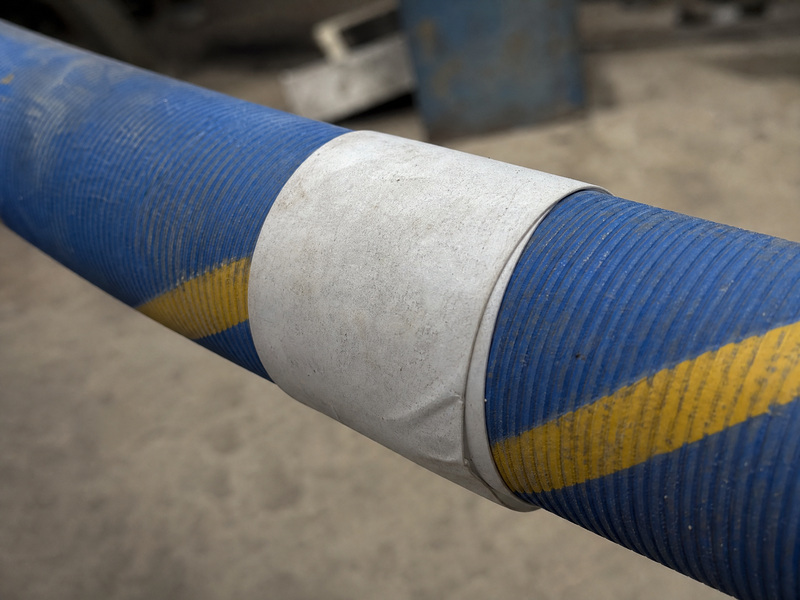
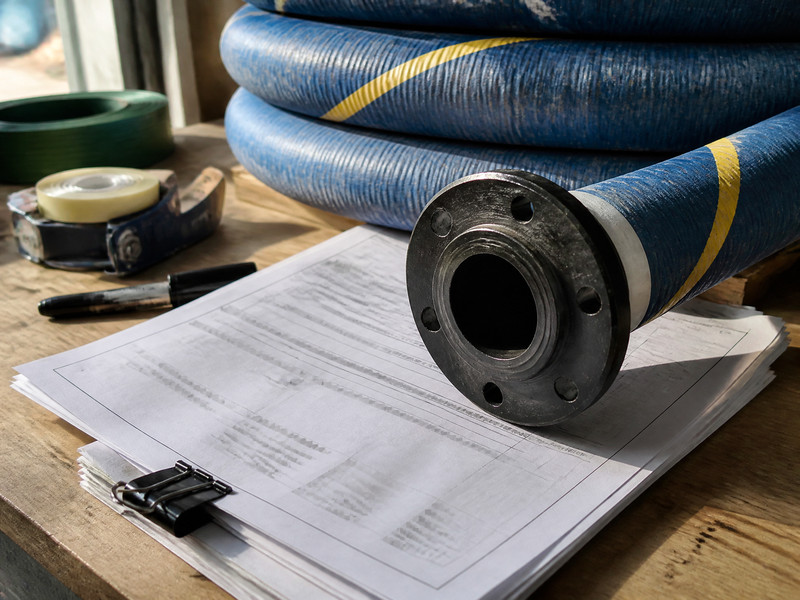
Figure 3. The band on this hose is still blank. The required marking goes there and the brand artwork goes on the cover, so the two never compete for the same space; what has to appear on the band is listed in Table 2.
Which QC Gates Belong in the Contract?
Name the gates, the records and the acceptance criteria, and make the shipment conditional on them. A programme without named gates ends up relying on the factory’s normal practice, which may be perfectly good and is not what you contracted.
- Incoming material check: film grade, fabric specification, wire grade.
- In-process check: wall build, helix pitch, cover application.
- End fitting check: insertion depth, crimp dimensions, pull test where specified.
- Proof test: pressure, hold time, result recorded against the serial number.
- Marking check: every required field present and legible.
- Final inspection: length, bore, visual defects, packing.
List 2. QC gates for a private label composite hose programme, in production order.
A gate without an owner is a suggestion. Name the person who signs each record on the factory side and the person who accepts it on yours, and put both names in the programme document. When a batch is challenged, the names turn a discussion into a lookup.
Each gate needs a record that a third party can read. A tick box is not a record; a serial number, a measured value and a signature are. Ask to see one complete set from a previous order during the sample stage, because that is the cheapest moment to discover that records are informal.
How Do You Protect the Brand and the Design?
Two protections are worth having in writing, and neither requires a complex agreement. The first is artwork control: your label files, your approval, and a rule that no marking change ships without a signed proof. The second is exclusivity, if you need it, stated as a product-and-market restriction rather than a general promise.
Design protection is harder. A composite hose wall is difficult to make distinctive, and most programmes compete on service rather than on patented construction. What can be protected is the specification document, the artwork and the customer list, and those are covered by ordinary confidentiality terms.
Ask for the artwork rules in writing at the quotation stage. File formats, bleed, colour references and the position of the required fields are the usual points of friction, and each one costs a day when it surfaces at proof stage.
Be realistic about the limit. If your product is a standard bore and lining with your label on it, another buyer can order the same build with a different label. The programme’s value sits in your service, stock position and technical support, not in the construction being unique.
What a brand can own defensibly is the specification file: the medium, the temperature, the bore range and the test regime that were chosen for a particular duty. That file is the asset a competitor cannot copy, because it describes a problem rather than a product.
How Should the First Order Be Structured?
Run it in three stages: sample, pilot, volume. The sample proves the build and the marking. The pilot of a small quantity proves that the factory can repeat the sample, which is a different question. Volume then runs against the records established in the pilot.
Approve the sample against a written checklist, not against a feeling. Bore, length, lining, end connections, marking fields, label position and test record all get a line. Sign the checklist and attach it to the purchase order, so the pilot is measured against the same document.
Keep the sample. When a later batch is questioned, the approved sample is the reference that ends the argument, and it costs nothing to store.
Freight deserves an early decision too. A coiled hose ships in a fraction of the volume of a straight length in a crate, and a flange that arrives with a damaged face costs more to fix than the packing saved. Decide the shipping form at sample stage, when changing it is still free.
Frequently Asked Questions
Can a composite hose OEM programme cover several lengths?
Yes, as long as the run structure is agreed first. Several lengths of the same bore and lining usually share a production run, which is what keeps a mixed order economical.
What is the minimum order for a composite hose OEM programme?
It depends on bore, lining, marking and packing, so ask for a breakdown rather than one number. Specialty linings usually carry the highest minimum because the film is bought in a roll.
Can we print our brand on the hose cover?
Yes, subject to legibility after coiling and to the required marking fields staying visible. Artwork is approved once and then controlled, so no marking change ships without a signed proof.
Does private label composite hose change the certification?
No. The product is still tested to the same standard, and the test record covers the design rather than the label. Brand ownership changes the documents, not the test regime.
Does a composite hose OEM programme need its own certificate?
No. The certificate covers the design, not the label, so the same approval serves several brands. What changes is the document set that accompanies the shipment.
Who owns the specification?
The buyer owns the application specification and the choice of lining, pressure and end connections. The factory owns the wall build and the process parameters that deliver them.
Can the marking omit the working pressure?
No. Working pressure is required marking, and for a composite hose marking layout it has to be present and legible. Brand artwork is added alongside it.
How long does a first programme take?
Plan for sample, approval, pilot and volume as separate steps. The approval step is usually the one that slips, because artwork and marking checks involve people outside the factory.
What if the pilot does not match the sample?
Compare against the signed checklist before discussing blame. Most mismatches come from an unstated assumption about marking, packing or fitting type rather than from the wall build.
About HENGHUA
HENGHUA builds private label and OEM composite hose, with UHMWPE, XLPE, polypropylene and PTFE linings, woven fabric carcasses, stainless or coated carbon steel helixes and crimped or flanged ends. A programme can cover label, cover print, packing, documents and marking layout, with the required fields kept intact. The range is listed in our composite hose range and options, and the technical baseline sits in the EN 13765 type guide and the marking and static requirements article.
Requests for a composite hose OEM programme should include the bore range, lining, annual volume and the label files. The glossary explains any term in the build sheet that needs pinning down, and the supplier verification guide covers the audit behind the programme. We will come back with a build sheet, a marking layout and a quantity breakdown by bore, so the commercial discussion starts from the same document as the technical one.

 English
 Spanish
 Portuguese
 French
 German
 Arabic
 Russian
 Indonesian
 Japanese
 Korean