
ISO 6134 is the steam hose standard for rubber hose and hose assemblies. The International Organization for Standardization publishes it as Rubber hoses and hose assemblies for saturated steam, and it sorts that hose into two pressure types and two cover classes. Type 1 is rated to 6 bar, and Type 2 is rated to 18 bar and 210 °C. Every later decision follows from those four designations.
Class A and Class B describe the cover, and the order of decisions is fixed: read the outlet pressure, take the type that contains it, then choose the class from the environment. Within the standard, only Type 2 is left above 6 bar, so that step has to be right first. A new line needs eight fields; an existing line reads bore, length and ends from the assembly record, so only type and class are re-decided.
All pressures are gauge pressures at the hose outlet; saturated-steam temperatures are the saturation temperature at that pressure. About 14 min read.

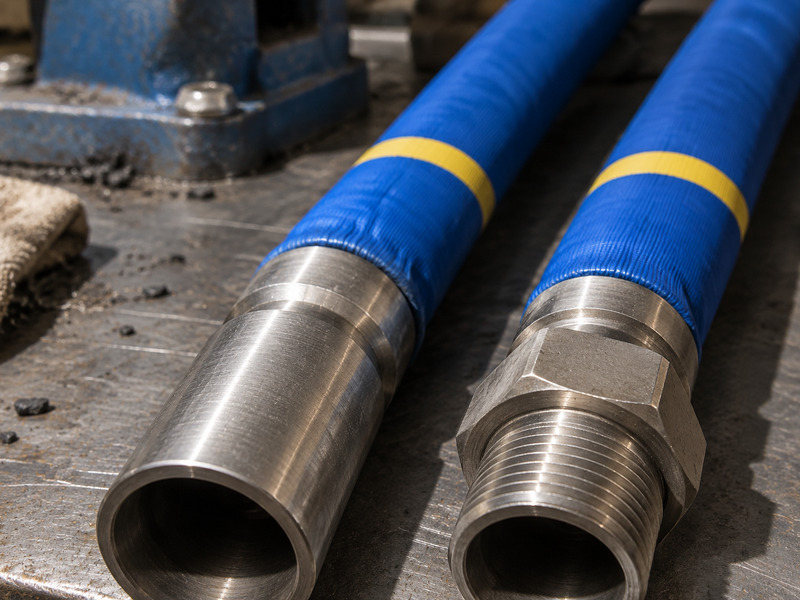
Figure 1. A steam hose built to ISO 6134, with a wire-reinforced body, a perforated cover and a crimped ferrule end connection.
What the Steam Hose Standard Covers
ISO 6134 addresses one duty and nothing beyond it: saturated steam, plus the hot-water condensate that forms in the same lines. A hose running on superheated steam falls outside the two type definitions, because superheated steam lets pressure and temperature move independently. That narrow scope is why the standard is short and why it is easy to misapply.
The steam hose standard divides the duty by pressure rather than by temperature. In a saturated-steam system, pressure and temperature are one variable, so a working-pressure rating carries its temperature with it. A buyer who specifies temperature alone has skipped the step that decides the hose.
Three editions of ISO 6134 have appeared since 2005, including the 2017 and 2024 revisions, and the Type 1 and Type 2 structure runs through all of them. For a specification writer, that stability is the useful part. The designation on a supplier label means the same envelope today as it did two decades ago.
Table 1. What ISO 6134 covers and what falls outside the two type definitions
| Deber | Position under the standard | What it means for selection |
|---|---|---|
| Saturated steam to 6 bar | Covered by the Type 1 envelope | Choose Type 1 hose with the matching cover class. |
| Saturated steam to 18 bar | Covered by the Type 2 envelope | Choose Type 2 hose; 210 °C is the top of the envelope. |
| Saturated steam above 18 bar | Outside both type envelopes | No type reference applies, so the grade has to be qualified separately. |
| Hot-water condensate | Covered by the same designations | Drain and warm-up lines use the same type logic. |
| Superheated steam | Outside the ISO 6134 type definitions | A supplier label that claims it is a manufacturer’s grade; ask for its basis. |
| Oil, chemical or fuel transfer | Outside the scope | A different hose standard family applies. |
Type 2 covers saturated steam to 18 bar and 210 °C. A sheet that also claims superheated steam is stating the maker’s own grade, not an ISO 6134 type. Ask for the evidence behind it.
ISO 6134 settles four things:
- The pressure envelope: the type and its maximum working pressure.
- The cover class, and whether the cover resists oil.
- The reinforcement family, textile or wire.
- The marking that records type and identification code.
Three gaps remain, and every one of them delays the order:
- Working pressure at the hose outlet and its saturated-steam temperature.
- Bore, cut length and total assembly length.
- End connections: thread form, size and material.
Type 1 or Type 2? Reading the Two Pressure Classes in ISO 6134
Type 1 and Type 2 are working-pressure classes, and they are the first choice a buyer makes. Type 1 covers low-pressure steam service up to a maximum working pressure of 6 bar. Type 2 covers high-pressure service up to a maximum working pressure of 18 bar, and it is rated for saturated steam at 210 °C.
The temperature figures come from the pressure, not the other way round. At 6 bar gauge, saturated steam sits near 165 °C; at 10 bar it is about 184 °C; at 18 bar it reaches 210 °C. That progression is why a 6 bar hose used on an 18 bar line is a pressure failure and a temperature failure at the same time.

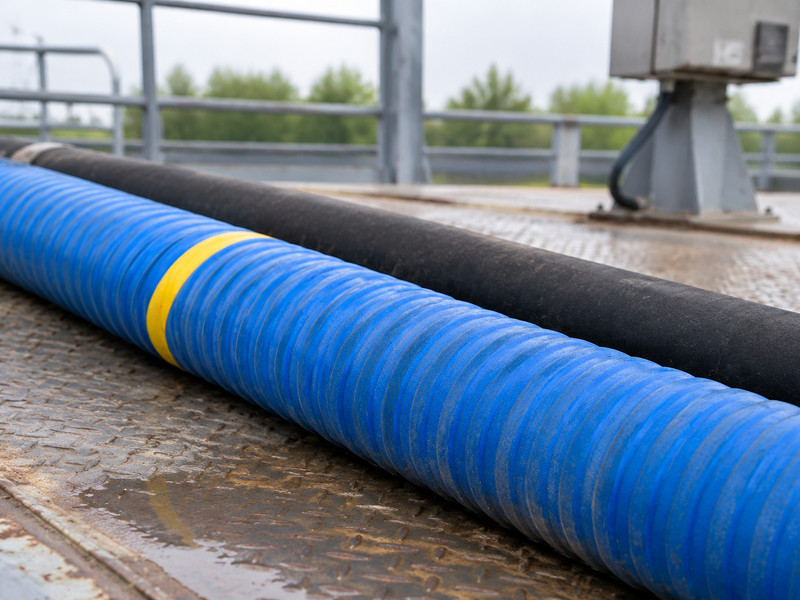
Figure 2. A label ties the type to the line: Type 1 for 6 bar duty, Type 2 for 18 bar and 210 °C.
Table 2. Type 1 and Type 2 inside the ISO 6134 envelope
| Propiedad | Type 1 | Type 2 |
|---|---|---|
| Service class | Low pressure | High pressure |
| Maximum working pressure | 6 bar | 18 bar |
| 6 to 18 bar | Outside Type 1 | Type 2 is the only designation |
| Saturated-steam temperature | About 165 °C at 6 bar | 210 °C at 18 bar |
| Reinforcement family | Textile or wire braid | Typically steel-wire braided |
| Typical duty | Warm-up, drains, low-pressure process lines | Curing presses, high-pressure distribution mains |
Between 6 and 18 bar, Type 1 is out of range and no second type competes for the duty. Above 18 bar neither type applies, and the construction has to be qualified on its own basis. That step from the 6 bar tier to the 18 bar tier is what a buyer feels: a heavier and stiffer hose, a higher unit cost and end connections that move up with it. Below 6 bar Type 1 covers the duty without that step up.
Class A and Class B: What the Cover Class Decides
The type sets the pressure envelope and the class sets the cover. ISO 6134 divides each type into Class A, with a non-oil-resistant cover, and Class B, with an oil-resistant cover. The division sits on the cover alone, not on the tube or the pressure rating. That cover difference decides how the hose behaves where oil mist, hydraulic drips or compressor condensate reach the line.
Cover class is an environment decision, not a performance upgrade. A Class B cover earns its cost in a plant where lubricant, skid oil or a leaking hydraulic line can contact the hose. In a dry, clean steam gallery a Class A cover does the same job for less money. Neither class changes the pressure rating, so class can never be used to compensate for a type that is too light.
Table 3. Class A and Class B covers compared
| Propiedad | Class A | Class B |
|---|---|---|
| Cover compound family | Non-oil-resistant | Oil-resistant |
| Best fit | Clean, dry steam galleries and enclosures | Plants with oil mist, lubricant or hydraulic leakage |
| Effect on pressure rating | None | None |
| Effect on the perforated cover | Cover is still perforated | Cover is still perforated |
| What to watch | Cover softening if oil reaches it | Higher unit cost with no pressure benefit |
The materials behind those two covers are where the compound science sits, and the site’s existing guide to saturated-steam hose construction covers it in depth. What matters in a purchase document is simpler: the buyer names the class, the supplier confirms it on the label, and the plant matches the class to the local environment. The steam hose material and construction guide explains the tube and cover chemistry for readers who need that layer of detail.
Cover damage is a leading reason a hose leaves service early. A cover softened by oil, or cut by a dragging steel fitting, exposes the reinforcement and shortens life without touching the pressure rating at all. The classes and pressure envelopes available to a buyer are listed on the steam hose collection page.
Why Is the Cover of a Steam Hose Perforated?
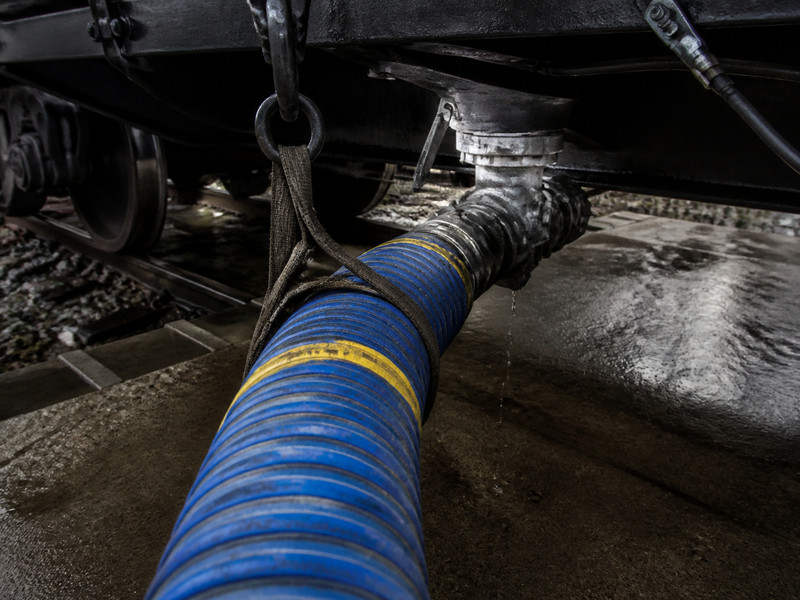
The cover of a steam hose is perforated with fine pin pricks because steam permeates. Molecules work through the tube wall over time, and on a solid cover they collect between the cover and the reinforcement. Trapped gas has nowhere to go, so it lifts the cover and forms blisters.
The perforation makes that path deliberate. The pricks are fine enough to limit water and dirt entering the cover, and open enough to vent permeated gas continuously. Light, even weeping is the design working; a dry cover with no visible perforation should be challenged at goods-in.
We record cover condition at every teardown that reaches our bench, and a blocked vent path shows up as a swelling or a blister. Perforation therefore belongs on the drawing: a hose with a solid cover passes every pressure test and is still wrong for steam. That record is what makes the perforation requirement auditable after installation.

Figure 3. The pin-pricked cover vents permeating steam so it cannot lift the cover into blisters.
Two rules follow and belong in any operating instruction. Never wrap, paint or coat a steam hose cover, and never treat a weeping cover with tape. Both close the vent path and turn a controlled leak into a cover failure.
How Should You Specify Steam Hose Fittings and End Connections?
End connections are where a hose is most often under-specified. Type and class describe the hose body, and the end connection carries its own pressure qualification: no hose rating transfers to it. That is where the steam hose standard stops, so the end must be a field in its own right in the specification.
Table 4. Common end connections for steam hose assemblies
| End connection | How it attaches | Typical use |
|---|---|---|
| Crimped ferrule | Ferrule compressed onto the insert | Volume production assemblies with a fixed length |
| Swaged ferrule | Ferrule formed over the hose and insert | Workshop-built assemblies and repair work |
| Bolted safety clamp | Two-part clamp bolted over the shank | Field-fitted ends and lines that are partly dismantled |
| Flanged end | Flange bolted to the plant connection | Fixed pipework, manifolds and header take-offs |
| Cam and groove coupling | Cam arms locked onto a grooved adapter | Quick-change drop lines and mobile steam equipment |
Material selection follows the steam, not the water. Carbon steel suits ordinary saturated-steam service, while 304 or 316 stainless steel is the usual answer where condensate, washdown or coastal air attacks the fitting. Brass appears on smaller bore lines and on adapters. The pressure and temperature duty decides the wall thickness and the thread form, and the buyer should state both.
Here is the working rule our engineers apply when a customer sends a drawing with the hose body correct and the ends unspecified. Steam hose fittings must be rated at least to the hose pressure class, and the insert must match the hose bore family. A fitting chosen by thread size alone is a guess, and on steam duty a guess at a connection is a burn waiting to happen.
Two details finish the connection specification. State whether the assembly will be crimped in the factory or clamped in the field, because the two are built differently. Then state the restraint: if the line can whip when a connection lets go, the hose clamp selection guide covers clamp materials and torque, and the coupling types and selection criteria guide covers the matching of insert to hose.
How Do You Write a Steam Hose Specification a Supplier Can Quote?
A purchase specification exists so that two suppliers quote the same thing. Every blank field in that document becomes a question in the quotation, and every question becomes a delay. The fastest way to shorten a quotation cycle is to state the pressure class, the cover class, the bore, the length and the end connection on one page.
A usable steam hose specification carries these fields, in this order:
- Line identity, service pressure at the hose outlet and saturated-steam temperature.
- ISO 6134 type: Type 1 for 6 bar duty, Type 2 for 18 bar duty.
- Cover class: Class A or Class B, chosen from the local environment.
- Nominal bore and total assembly length, including the length inside the fittings.
- End connections at both ends, with thread form, size and material.
- Restraint requirement, naming the device and where it fits.
- Marking requirement: size, working pressure and identification code.
- Delivery quantities, packing and any private-label or branding instruction.
Three fields decide whether the quotation returns clean. The first is the service pressure, which must be the pressure at the hose outlet rather than at the boiler. The second is length, where the assembly length and the hose cut length differ once fittings are attached. The third is the connection list, which should never be left as “standard ends”.
A specification with those eight fields answers nearly every question a factory would otherwise raise. Our own quotation desk returns a technical review against them, and the customer sees exactly which field was missing. Both sides then read the same document, and nobody has to guess which reading of the steam hose standard applies. The standards comparison guide is a useful companion when a plant also works to SAE, DIN or GB hose standards and needs to keep the designations separate.
Steam Hose Assembly, Coupling and Clamp Choices
A steam hose assembly is a system, and its weakest element sets its limit. The insert, the crimp or clamp, and the restraint each have to be named on the drawing. A document that qualifies the body alone has qualified part of the system.
Where the steam hose coupling meets the line, the torque figure is a deliverable, not a workshop habit. It has to arrive with the quotation, stated for the clamp and hose size supplied, because a fitter who tightens by feel cannot reproduce it. Ask for the figure, and ask when it has to be re-checked, then hold both in the assembly record.
Every failed assembly return that reaches our bench is stripped and its failure location logged. The log points to the connection rather than the hose body, with a steam hose coupling or ferrule that was loose or crushing. The tube and the reinforcement rarely fail first when the ends are built to a written procedure.
Steam hose clamp hardware should be chosen with the same care as the hose. The clamp material must match the fitting material to avoid a galvanic pair in a wet steam gallery or washdown bay. The clamp must not sit on the perforated cover in a way that blocks the vents. Where a clamp presses on the cover, use a saddle or a sleeve under it.
Table 5 lists the record fields we keep for every assembly that leaves our line, and they are the same fields we recommend a plant copies into its own register:
Table 5. Assembly record fields for a steam hose build
| Record field | Why it is kept |
|---|---|
| Hose type and cover class | Confirms the pressure envelope and the environment fit. |
| Bore, cut length and assembly length | Lets the plant reorder the same item without remeasuring. |
| End connection list | Prevents a thread or material substitution on the next order. |
| Working-pressure test result | Records that the assembly held its rated working pressure. |
| Identification code and date | Links the physical assembly to its build record. |
| Coupling and clamp torque, with re-check point | Lets the next build repeat the same setting. |

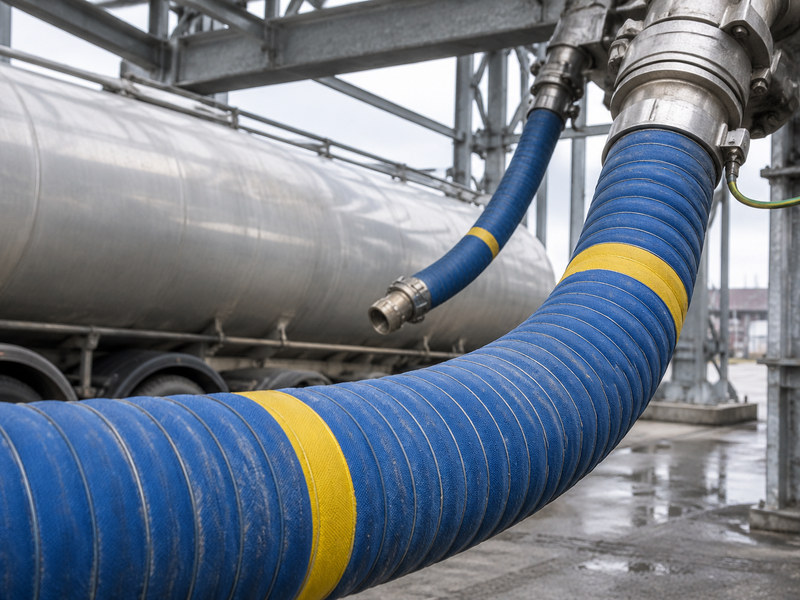
Figure 4. End connection in goods-in condition: coupling, bolted clamp and restraint cable, with the perforation still visible on the cover.
Checking a Delivery Against the Steam Hose Standard
Receiving inspection is where the paper specification meets the physical hose, and it takes a few minutes per item. The aim is not to re-test the hose but to confirm that what arrived is what was ordered. A hose that passes every pressure test is still a problem if its type or class is wrong for the line.
A goods-in check against the steam hose standard covers five points:
- Hose marking shows the size, the working pressure and the identification code.
- Type recorded on the label is the type on the purchase specification.
- Cover class matches the environment the line runs through.
- Cover perforation is visible along the full length and is not painted or taped.
- End connection thread form, size and material match the drawing.
Two failures reach us repeatedly from incoming inspection. The first is a hose built to the right pressure class with a lower-rated adapter fitted at one end. The second is confusion between working pressure and the pressure at which a hose finally fails, a difference the pressure and burst pressure comparison explains. Neither defect shows up until the line is hot.
Steam Hose Standard FAQs
Which ISO 6134 type do I need for a 10 bar steam line?
A 10 bar saturated-steam line needs Type 2. Type 1 is limited to a maximum working pressure of 6 bar, so it cannot cover 10 bar even with a generous margin. Type 2 carries the duty up to 18 bar and is rated for saturated steam at 210 °C, which is above the roughly 184 °C that saturated steam reaches at 10 bar. Choose Type 2 unless the line pressure is genuinely below 6 bar.
Can I rely on an ISO 6134 temperature rating on its own?
No, and this is the most common misreading. In saturated steam, pressure and temperature are one variable, so the working-pressure rating already contains the temperature. Type 2 reaches 210 °C because it is rated to 18 bar, not because temperature was chosen separately. Rating a hose on temperature alone separates two numbers that the standard keeps together.
What is the difference between Class A and Class B covers?
Class A is the non-oil-resistant cover, Class B the oil-resistant one, and the label states which one was built. Choose Class B where oil mist, lubricant or hydraulic leakage can reach the hose. Choose Class A for clean, dry steam galleries, where it costs less for the same duty.
Why does my steam hose weep along the cover?
The cover is perforated on purpose. Steam permeates through the tube wall, and the fine pin pricks let that gas escape instead of collecting under the cover and lifting it into blisters. Light, even weeping along the cover is the design working as intended. A blister, a bulge or a dry cover with no visible perforation is the condition that needs attention.
What should a purchase specification for a 10 bar steam line state first?
State the service pressure at the hose outlet and the saturated-steam temperature, then the type. Those two fields decide the pressure envelope and drive the price. Bore, length, cover class and the end connection list follow, each with its own field. A document that leads with pressure class and bore is quoted accurately the first time instead of after three clarifying emails.
How do I check that a delivered hose matches the order?
Read the label first and compare type, size and working pressure against the purchase order. Then check the cover class and look for a clean, unpainted perforated cover along the full length. Finally confirm the thread form, size and material at both ends against the drawing. Anything that cannot be traced to an identification code should be queried before the hose is fitted.
Do steam hose fittings carry a separate pressure rating?
Yes, and both must cover the duty. A quotation should give the fitting qualification separately for each end; one figure for the whole order hides which end was checked. A fitting rated below the hose is the weak point of the assembly, whatever the hose label says. State the fitting material, thread form and pressure rating on the same drawing as the hose.
How tight should a bolted steam hose clamp be?
Follow the manufacturer’s torque figure for that clamp and hose size, and use a torque wrench rather than feel. An under-torqued clamp weeps at the shank under thermal cycling, while an over-torqued one crushes the tube and creates a leak path that retightening will not close. Re-check torque after the first hot cycle, because the connection beds in.
Should a steam hose assembly be crimped or clamped in the field?
Decide before the order is placed, because the two are built differently. Crimped and swaged ferrules are made on a press to a fixed length and suit volume production assemblies. Bolted clamps allow field fitting and partial dismantling, but they depend on torque discipline at every joint. Both are acceptable when the drawing says which one applies.
Final Verdict: Using the Steam Hose Standard to Buy Safely
ISO 6134 gives a buyer four designations and a small set of rules, and that is enough to specify a safe steam hose. Use it as the backbone of the purchase document, then write the plant-specific fields around it. The safety value comes from the order of decisions, not from a long document.
Work through these steps before the next enquiry goes out:
- Read the pressure at the hose outlet and the saturated-steam temperature that goes with it.
- Pick the type that contains that pressure and leave margin above the duty.
- Pick the cover class from the local environment, and keep the cover perforated.
- Specify both end connections, the fitting material and the restraint device.
- Require marking, an identification code and a record that follows the assembly.
- Check the delivery against the order before the hose reaches the line.
Three items belong on the order. The bore and length fix the item, and the steam hose coupling with its hardware fixes the ends. The steam hose clamp torque, recorded against the identification code, is the setting the fitter has to hit.
HENGHUA manufactures steam hoses and steam hose assemblies for saturated-steam service, along with the industrial hoses and hose fittings around them, and supplies distributors, EPC contractors and OEM brands worldwide. The steam hose range uses an EPDM tube with textile or steel-wire reinforcement and a perforated, oil-resistant cover, across bore sizes and pressure classes that cover the ISO 6134 Type 1 and Type 2 envelopes. The catalog also carries a high-temperature grade rated to 230 °C for duties above the saturated-steam envelope.
Assemblies leave the plant with bolted safety clamps, crimped or swaged ferrules, flanged ends or cam and groove couplings, in carbon steel, 304 and 316 stainless steel and brass. Every assembly is hydrostatically tested to its rated working pressure before shipment and marked with its size, working pressure and identification code. Commercial terms include factory-direct pricing, short lead times on bulk orders, private labeling, custom packaging, OEM and ODM branding and warranty.
Send the line pressure, the environment and the end connections, and we will return a type and class recommendation with a quote and samples. If a colleague owns the site’s wider safety routine, the safe-use framework for steam hoses keeps selection and maintenance in one place. Our engineers can also review a steam hose specification draft and mark the fields that are missing before you send it to tender.
About the author. This article was written by the HENGHUA engineering and test team, which specifies, builds and pressure-tests steam hose assemblies for industrial customers. The team maintains the company’s steam test loop and hydrostatic test bench, and reviews assembly records and field installations across steam, curing and process duties. Type and class recommendations in this guide follow the ISO 6134 designations and the saturated-steam properties the team works with daily on the shop floor.


 English
 Spanish
 Portuguese
 French
 German
 Arabic
 Russian
 Indonesian
 Japanese
 Korean