
A composite hose order checklist exists because the expensive mistakes happen before the hose is made. A missing temperature, an unstated liner or a connection described from memory produces a hose that is correct to the drawing and wrong for the duty.
A composite hose order checklist with twelve fields covers the gap. Each one is a line on a purchase order, and each one has a failure mode behind it that we have seen in a returned assembly.
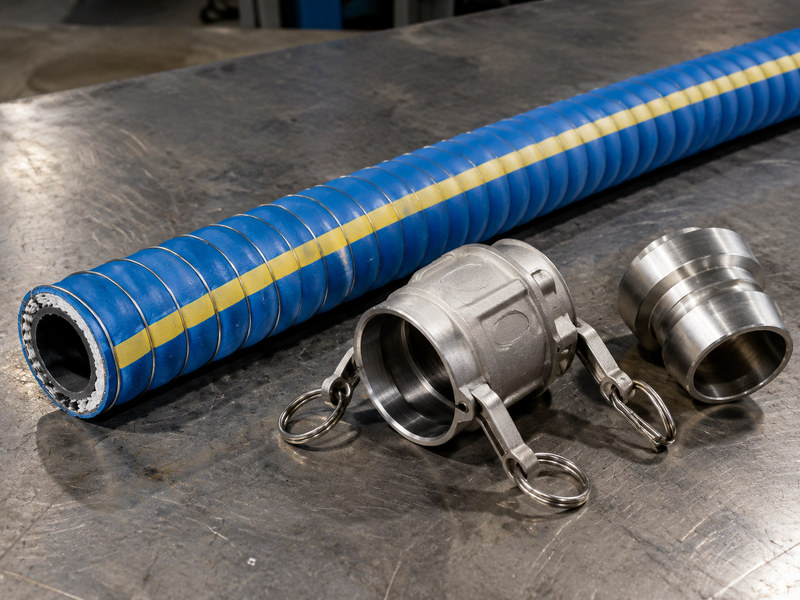
Figure 1. A sample, two ends and a workbench. The order is settled by twelve written values, and a fixed list keeps each one visible before the order leaves.
Why Use a Composite Hose Order Checklist?
Because most ordering errors are omissions rather than mistakes.
Nobody writes the wrong pressure on purpose. What happens is that the pressure is never written, and the supplier fills the gap with a standard figure that may be right and is unverified.
A checklist makes the omission visible before the order leaves. It also makes the offer comparable, because two suppliers answering the same twelve lines produce answers that can be set side by side.
The cost of the exercise is twenty minutes, and it is recovered the first time an order leaves without a clarification email. The cost of a wrong liner, a wrong end or a wrong length is a hose that cannot be used and a project delay measured in weeks.
What Are the Twelve Fields?
| Campo | What to write | Failure if omitted |
|---|---|---|
| 1. Medium | Product name and concentration | Wrong liner |
| 2. Temperature | Maximum product and cleaning temperature | Rating invalid |
| 3. Pressure | Working pressure at temperature | Under-rated assembly |
| 4. Bore and length | Nominal bore, tolerance, length | Flow or fit problem |
| 5. Liner | Grade, or an approved equivalent | Chemical attack |
| 6. Helix material | Stainless, coated steel or aluminium | Corrosion |
| 7. End connections | Standard, size, material, gasket | Will not connect |
| 8. Assembly rating | The lowest component figure | Over-pressure risk |
| 9. Marking | Type, batch, assembly number | No traceability |
| 10. Documents | Datasheet, test record, declaration | Audit gap |
| 11. Packing | Coil, crate, pallet, marks | Shipping damage |
| 12. Delivery | Date, place, partial shipments | Project delay |
| Exception | Field 5 may name an approved equivalent, not a brand | An unnamed equivalent cannot be checked |
Table 1. The twelve fields of a composite hose order checklist. The right-hand column is what each omission costs later.
The order matters less than the presence, but two fields are worth doing first. Temperature eliminates linings faster than any other line, and end connections decide whether the hose can be installed at all.
Which Fields Are Most Often Missing?
Four, consistently.
Temperature is the most common. Buyers quote the product temperature and forget the cleaning temperature, and a line cleaned at 80 °C is a different duty from one that runs at 25 °C.
The assembly rating, the lowest pressure figure of hose, fittings and attachment, is second. A purchase order that quotes the hose rating leaves the supplier free to fit whichever connection is available, and the assembly rating then follows the fitting rather than the duty.
Marking is third. A hose without a batch reference cannot be traced to a test, which matters most on the day something goes wrong.
And packing is fourth, which sounds trivial until a coil arrives crushed because nobody specified a crate.
How Do You Write Each Field Well?
Write measurable values rather than adjectives, as the specification table does.
“Good chemical resistance” cannot be quoted. “PP liner, food contact grade, for 20 percent sulphuric acid at 40 °C” can be quoted, checked and defended.
“Stainless ends” is a preference. “316L camlock, type C, 2 inch, PTFE gasket” is a specification.
“Standard packing” means whatever the factory does on the day. “Coil in a crate, marked with the assembly number and the purchase order reference” is an instruction.
The same discipline applies across the twelve lines, and it is the only part of the exercise that costs nothing to repeat. Every adjective is a decision handed to someone else.

Figure 2. Fittings sorted in a tray. A fitting left unspecified is a decision delegated to the supplier.
How Does the Checklist Fit a Tender?
A tender is a composite hose order checklist with commercial terms attached, and the datasheet fields are what the answers should look like.
Use the twelve fields as the technical annex, and require each bidder to answer them in order. That structure makes the offers comparable and removes the advantage a supplier gains by leaving gaps.
Where a field is genuinely open, write “to be confirmed by supplier with justification” rather than leaving it blank. That converts an omission into a stated assumption that can be reviewed.
A composite hose specification written this way can be audited two years later, because every value has an answer on file.
| Offer comparison | Strong offer | Weak offer |
|---|---|---|
| Liner | Grade and declaration | “Chemical grade” |
| Pressure | Figure at temperature | One headline number |
| Ends | Standard and material | “As required” |
| Classificação | Assembly figure | Hose figure only |
| Documents | Listed with delivery | “Available on request” |
| Exception | “To be confirmed, with justification, by a stated date” | Strong only when the justification is dated |
Table 2. What a strong and a weak answer look like on the same line. The difference is usually a question that was never asked.
What Should the Order Include Beyond the Twelve?
Three items, and each prevents a specific argument. The packing guide covers the third in detail.
The standard the hose is built to, with the edition. That single line settles most disputes about what was intended.
The acceptance criteria: what will be checked at goods-in and what happens if a check fails. A hose that is measured against a stated criterion is easier to accept than one measured against expectation.
And the change procedure. If the liner or the length changes after the order, who agrees it and how is it recorded. Composite hose is often made to order, and late changes are common.
How Do You Check the Delivery?
Five minutes with the checklist in hand.
Read the marking and compare it with the order. Measure one bore and one length. Check the fittings against the specified type and material. Confirm the documents arrived with the hose rather than being promised. And inspect the packing for damage before signing.
Check the packing last, because signing for a damaged crate closes the claim as well as the delivery. A hose that passes those five is an order that closed properly, and the warranty terms are easier to apply when the delivery check is on file. One that fails any of them is a conversation that is cheaper on the day of delivery than a month later.
What Does a Good Hose Purchase Order Look Like?
A hose purchase order should be readable by someone who was not in the conversation.
That means the twelve fields, plus the standard, plus the acceptance criteria, plus the delivery terms. It also means no references to “the usual” or “as discussed”, because those phrases depend on a memory that will not be there in two years.
The test is simple: could a new buyer place the same order from this document? If the answer is no, the document describes a conversation rather than an order.
A good purchase order also names the person who approved the duty values. When a hose fails, the question is usually whether the duty was stated correctly, and a name answers it faster than an email search.
How Do You Compare Two Offers?
Line by line, using the same twelve fields.
Where both offers answer a line, compare the answers. Where one answers and the other does not, the unanswered line is a risk rather than a saving.
Then compare the total on two bases: per assembly and per year of expected service. A cheaper hose that needs replacing twice as often is not cheaper, and the checklist is what makes that comparison possible.
A composite hose specification that arrives as a filled table is easier to compare than a brochure, and suppliers who work from tables tend to answer more of the lines.
What Does a Hose Ordering Guide Usually Leave Out?
Three things, and they are the ones that cause rework. The first is the cleaning regime, which is part of the duty and rarely written on an order.
The second is the handling: is the hose lifted, dragged, coiled or fixed? That single line decides cover type, weight limit and end fittings.
The third is the store. A hose ordered for a rack behaves differently from one ordered to sit in a crate for a year. The coil diameter in that crate is a specification item rather than a packing detail, and the difference shows in how the coil is packed.
A hose ordering guide that covers the twelve fields and these three adds nothing to the price and removes most of the rework. That is a rare combination, and it is why we use the checklist on every enquiry.
How Long Should the Order Take to Write?
Twenty minutes with the plant data in front of you, and longer only if the duty is genuinely unclear.
If it takes a week, the gap is usually one of three: the cleaning temperature is not documented, the connection has never been recorded, or the product concentration is unknown. Each of those is worth resolving once, because they recur on every hose on that line.
The first order takes the time, and it is the only one that does. The second takes five minutes, because the twelve fields are already answered and only the length changes.
Where Does the Checklist Sit in the Process?
It sits between the duty study and the hose purchase order. The duty study produces the values; the checklist turns them into lines that a supplier can answer.
That position matters because the checklist is not a design document. It does not choose the liner or the bore; it records the choices so they can be quoted and checked. A composite hose specification written at the same stage should do the same, and neither replaces the engineering.
Used this way, a hose ordering guide becomes a training document as well. A new buyer who fills it in learns which fields exist and why, and the questions they bring back are better than the ones a brochure produces. Fill the twelve fields once for the most common duty on site, and reuse the page for every repeat order.
Frequently Asked Questions
Do I need all twelve fields for a repeat order?
Yes, and the repeat is where they matter most. A repeat order is usually placed from the previous one, so an omission is repeated rather than corrected.
What if I do not know the cleaning temperature?
Ask the plant. It is usually in the cleaning procedure, and it is the field that most often changes the liner choice.
Can the supplier fill in the gaps?
They can, and they will fill them with their standard option. That is acceptable only if the standard option is stated in the offer so it can be reviewed.
Is the assembly rating really necessary?
It is the figure that governs the line. Without it, the marking may say one thing and the fittings another.
How detailed should the marking be?
Enough to trace the hose to a batch and an order. Type, bore, batch reference and assembly number cover it.
What documents should arrive with the hose?
The build data sheet for the assembly, the proof test certificate that goes with it, and the declaration the product requires.
Does packing really matter?
It does when a coil arrives deformed and the hose is kinked at the fitting. Specify the packing that survives your freight.
About HENGHUA
A quote is written against the twelve fields rather than a part number, and states the assembly rating and the marking scheme in the offer. Where a field is unclear, we will ask rather than assume.
Send your composite hose order checklist or the duty behind it, and we will return a quotation with every line answered.




 English
 Spanish
 Portuguese
 French
 German
 Arabic
 Russian
 Indonesian
 Japanese
 Korean