

A tire curing press depends on saturated steam to hold the cure, and that same steam slowly consumes the hose that carries it. Steam hose service life in a tire plant is spent through heat aging, mechanical load and cycle count; the installation date is not one of them.
This article follows vulcanization physics from the steam main to the hose wall. It shows how saturated steam fixes the cure temperature, what heat and pressure do to the tube and cover over thousands of cycles, and how a curing shop can slow the rate at which service life is spent.
All pressures are gauge pressures at the hose outlet, and every saturated-steam temperature is the saturation temperature at that pressure. About 14 min read.
Heat and Pressure in the Tire Vulcanization Process
Vulcanization is a chemical change, not a drying step. Heat plus time cross-links the rubber compound so the tire keeps its shape, its tread pattern and its engineered properties after the mold opens. In a tire plant that heat arrives as saturated steam, and a flexible hose carries it into the press.
The pressure side of the tire vulcanization process is as demanding as the temperature side, because the two travel together. A curing press is hot and fast. Published figures place press temperature in the 340–390 °F (170–200 °C) range, and a high-volume line can repeat a cycle every 10–15 minutes around the clock. That range describes the mold and the tire surface, not the temperature of the steam entering the hose.
The timing inside the cycle matters as much as the peak temperature. Steam is typically admitted to the curing bladder for about 3–10 minutes at the start of the cycle. The cure is then finished with high-pressure water or nitrogen, so the hose sees a sharp heat-up, a hold and a change of medium.
A hose never experiences the average of a cycle; it experiences the peak. The steam admission and the first minutes of the hold are the hardest part of the cycle for the tube wall. The hardware around the hose is what decides how much of that peak actually reaches it.
Table 1. What one curing cycle asks of the steam connection
| Cycle stage | Typical value | What the hose experiences |
|---|---|---|
| Mold and tire temperature | 340–390 °F (170–200 °C) | A hot environment around the hose |
| Cycle repeat time | Every 10–15 minutes | Repeated heat-up and cool-down |
| Bladder steam admission | About 3–10 minutes | Steam flow, then a change of medium |
| Follow-on medium | High-pressure water or nitrogen | Pressure held by a non-steam fluid |
Read the table as a duty profile rather than a schedule. The hose is chosen for the hottest medium it carries, yet it spends most of its life moving between that medium and something cooler. That cycling, more than the steady hold, decides how quickly the hose is used up.
For a press-by-press view of which construction suits which machine, the batch companion article on steam hose for tire curing presses covers the selection side. This article stays with the physics that wears a hose out.
Saturated Steam Sets the Cure Temperature
Steam temperature and steam pressure are not two independent settings on a curing press. Saturated steam has exactly one temperature for each pressure, so the pressure you admit sets the cure temperature. A press working at 18 bar is working at a saturated-steam temperature of 210 °C, while a press at 6 bar sits near 165 °C.
Table 2. Saturated steam: pressure fixes the temperature, and the ISO 6134 type envelope follows it
| Pressure (gauge) | Saturated-steam temperature | Standard envelope |
|---|---|---|
| 6 bar | About 165 °C | Type 1, maximum working pressure 6 bar |
| 10 bar | About 184 °C | Between the two type envelopes |
| 18 bar | 210 °C | Type 2, maximum working pressure 18 bar |
The practical consequence is that a hose cannot be rated on temperature alone. If the working pressure is wrong, the temperature is wrong, and the hose runs outside the envelope it was tested in. Rating a steam hose on temperature alone is a selection error, and it is a common one when a plant copies a hose from another line.
The site guide on Betriebsdruck im Vergleich zum Berstdruck explains why the rated working pressure, not a short-term burst figure, is the number that fixes the steam temperature. That distinction matters most where pressure is raised to speed up a cure.
Because pressure and temperature move together, the curing recipe and the hose rating are really one decision. When a shop raises steam pressure to shorten a cure, it also raises the temperature that the hose, the couplings and the bladder must survive. The hose envelope has to move with the recipe.
Nothing in a curing shop is read more often than the pressure gauge, and nothing is watched less carefully than what that pressure does to the hose. A gauge standing steady at the press still hides a hose that is cycled far more often than the recipe suggests. Pressure is the setting; cycling is the cost.
The remedy is not complicated. Match the rated working pressure of the hose to the highest pressure the recipe actually uses, and keep the hose inside its own class. A hose run at the top of its class on every cycle has nothing left for the day the steam supply drifts.
Rubber Vulcanization Temperature and What It Costs the Hose
Rubber vulcanization temperature in a curing press refers to the mold and the tire, at 170–200 °C. The steam side reaches 210 °C at 18 bar, so the hose works near its own limit for most of the shift. Heat ages the tube compound, and the margin between the hose and its rated envelope narrows with it. The cover ages at the same time, while the reinforcement holds the pressure.
The tube is affected first because it is the surface the steam touches, and its compound was vulcanized when the hose was built. Heat and time keep advancing the same reaction that cures the tire, so the tube is driven past its own optimum cure: it hardens, loses elongation and seals less reliably at the coupling.
Drive the wall temperature higher and the rubber network begins to break down, which is why a hose can still hold pressure and yet be at the end of its useful life. A stiff tube also loads the coupling more each time the press opens.
Consider what the tube has to do at the same time. It must stay soft enough to seal at the coupling and flexible enough to take the press motion, while standing up to steam close to its rated temperature. Those demands pull in opposite directions, and heat decides which one wins.
Table 3. What heat, pressure and cycling do to each hose component
| Component | Main attack | Visible result |
|---|---|---|
| Tube | Continuous heat from the curing medium | Hardening and reduced flexibility |
| Verstärkung | Pressure pulses and thermal cycling | A narrowing pressure margin over time |
| Cover | Heat, oil and abrasion in the shop | Cracking and surface degradation |
| Coupling | Water hammer and repeated flexing | Weeping and loosening |
Careful choice of compound and construction for this duty belongs to the site guide to EPDM steam hose for saturated steam, so this article stays with the thermal cycle itself. The point to carry forward is that heat does not announce itself. It works on the tube quietly, and the first visible sign is often a cover crack or a weeping coupling.
Steam Vulcanization: Why Steam Quality Matters
Steam vulcanization works as intended only when the steam stays dry and saturated. Saturated steam releases its latent heat at the tube wall, and a dry wall takes that heat straight into the rubber. A condensate film changes the path: heat has to cross a liquid layer before it reaches the tube, and the wall then runs cooler than the saturation temperature of the steam behind it.
The cure then lags the recipe: the press holds longer and the hose spends more hot minutes on every tire, or the tire comes out short of full cure. Slugs of water make the same effect local, so parts of the bladder run cool while others run hot, and that gradient adds thermal stress on top of the delay.
A steam vulcanization cycle that starts on wet steam is already spending hose life before the press reaches temperature. The damage is not dramatic at any single cycle. It accumulates because the same uneven heating repeats every few minutes, all day long.
The plant side of good steam quality comes down to a short list:
- Steam traps that remove condensate instead of letting it accumulate.
- Separators that take droplets out of the steam before the press.
- Drainage at low points and ahead of the hose station.
- Insulation that keeps the steam dry on its way to the press.
Steam quality is also a maintenance signal. A trap that has failed open or closed changes the whole cycle, and the hose and the bladder pay for it. Checking traps, separators and drains belongs on the same schedule as checking the hose itself.

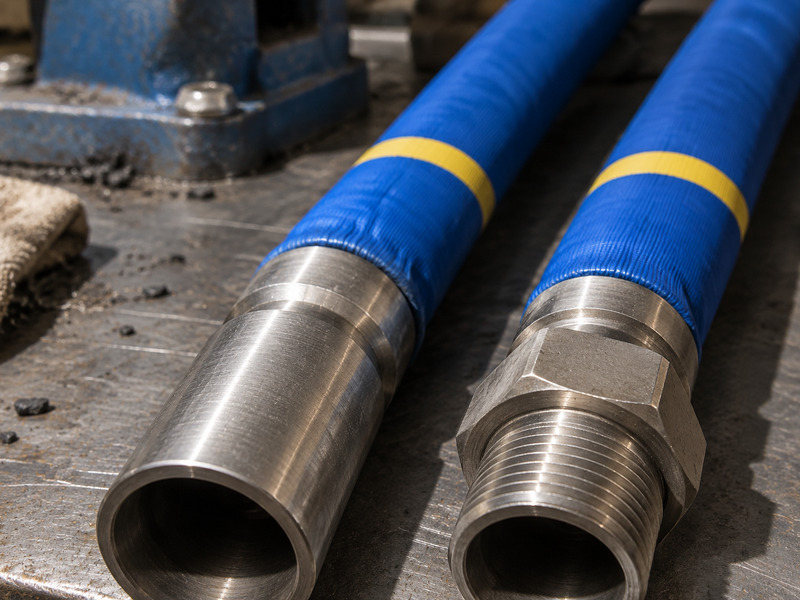
Figure 2. Traps, separators and drainage keep steam dry and protect both the bladder and the hose.
Condensate is also the mechanism behind water hammer. Water hammer in a steam line is a condensate event rather than a pressure spike, and it is the most common cause of coupling and fitting loss. A hose that is well trapped and well drained simply never sees that load.
Bladder Steam Hose: The Part That Sees the Worst of It
The curing bladder is the rubber envelope that sits inside the green tire and presses it outward against the mold. The bladder steam hose is the flexible line that delivers steam to that bladder, and it meets the worst combination in the plant. It carries the hottest medium, at the highest cycling rate, in the tightest routing.
Because the bladder is itself a flexible rubber part, it is vulnerable to uneven heating. Wet steam, slugs of condensate and rapid changes of medium all reduce bladder life, and every bladder change costs downtime. Protecting the bladder usually means protecting the hose that feeds it.
Steam that permeates the tube has to escape somewhere, and a perforated cover vents it so the cover does not lift into blisters. The steam hose range on steam hoses built for saturated steam service uses that construction, and the collection lists the bore sizes and pressure classes available.
Bladder life and hose life are linked on a curing press. When a bladder is replaced the hose is usually disturbed, and a rushed reconnection is one of the few ways a good hose is damaged at the coupling. Treat a bladder change as an inspection opportunity instead.

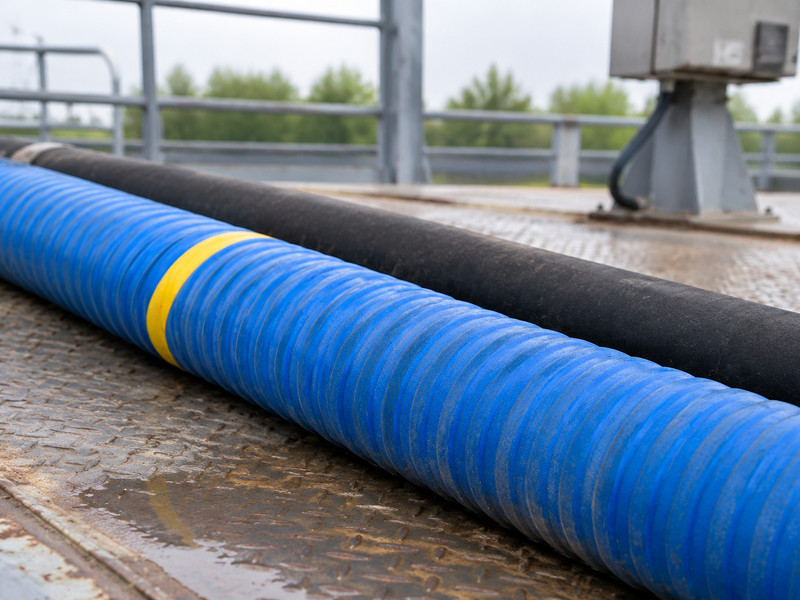
Figure 3. A bladder feed line, where the hose carries steam at the highest cycling rate in the plant.
A bladder line is also short, which sounds like an advantage and is not. A short hose bends more sharply for the same offset, so the coupling carries more of the movement every cycle. Support is not a cosmetic detail on a curing press: a hose that hangs unsupported from the coupling transfers every press movement into the fitting, and a fitting is far less tolerant of cycling than the hose itself. A simple support takes that load away.
How Steam Hose Service Life Is Actually Consumed
Steam hose service life is spent through three accounts: heat aging, mechanical load and cycle count. None of them can be read off a calendar, which is why two identical hoses on two presses can retire years apart. The duty profile, not the installation date, sets the pace.
Table 4. The three accounts that consume service life
| Account | Main driver | How it shows up |
|---|---|---|
| Heat aging | Wall temperature and time at temperature | A hardening tube and a cracked cover |
| Mechanical load | Bending, flexing and pressure pulses | Fatigue at the coupling |
| Cycle count | Presses per shift and per day | Faster wear on a high-volume line |
Heat aging is the account nobody can slow, only manage. The tube is held at an elevated wall temperature for hours a day, and the compound changes gradually. The only real lever is to keep the hose inside its envelope, so the temperature it sees is the temperature it was built for.
Mechanical load is the account a shop can influence directly. Bending radius, support spacing and the way a hose meets its coupling decide how much strain each press cycle adds. A hose on a press that cycles every ten minutes accumulates that load far faster than the same hose on a quiet line.
Cycle count ties the other two together. Every cure is one heat-up, one hold, one change of medium and one return to rest. The material is the same on both lines; the number of times it is asked to do that is not.
Two hoses built to the same specification can therefore have very different outcomes in the same plant. The one on the hot, fast press is spending all three accounts at once, while the one on the standby press is spending almost none of them. Duty, not age, governs replacement.
All three accounts are invisible on the panel, so a replacement interval cannot be read from a gauge. It has to be inferred from the duty a press imposes and confirmed by looking at the hose. Four records turn that inference into a comparison between presses.
Table 5. Four records that make hose duty comparable between presses
| Record | Why it belongs in the ledger |
|---|---|
| Cycles per shift | Sets how often the heat-up and the change of medium repeat |
| Steam pressure at the hose | Fixes the saturation temperature the tube actually sees |
| Condensate events | Counts the water hammer and the wet starts the supply added |
| Inspection findings | Records hardening, cover cracks and coupling creep as they appear |
High Temperature Hose for Steam Duty: Reading the Envelope
Choosing a high temperature hose for steam starts with the two ISO 6134 envelopes. Table 6 sets out the two types and the cover classes that divide each one, so this section can stay on what the envelope does not tell you.
Table 6. Reading the ISO 6134 steam hose envelope
| Element | Typ 1 | Typ 2 |
|---|---|---|
| Maximaler Betriebsdruck | 6 bar | 18 bar |
| Saturated-steam temperature | About 165 °C | 210 °C |
| Cover class | Class A or Class B | Class A or Class B |
| Typical duty | Lower-pressure curing steam lines | High-pressure saturated-steam service |
Scope of this envelope: saturated steam and hot-water condensate only. A superheated-steam line is a separate duty, it is specified outside the Type 1 and Type 2 definitions, and a curing press does not belong to it. Read the curing recipe as a saturated-steam duty and select inside that envelope.
For a curing shop, a high temperature hose for steam also has to survive everything the cycle adds on top of the rating. Bore size changes both the pressure drop along the run and the flexibility of the hose, and the site guide to hose size selection covers how to match the bore to the flow a press needs.
Special sizes and higher-temperature grades exist for duties above the saturated-steam envelope, and they are a selection question rather than a cure for a hose that is simply over-pressured. If a press sits outside the standard envelope, the answer is a different hose, not a different habit.
Extending Steam Hose Service Life in a Curing Shop
The largest levers on steam hose service life are set before the hose is installed. The correct pressure class, the correct bore and a correctly made assembly put the hose inside its envelope. Everything a shop does afterward only slows the rate at which that envelope is used up.
A curing shop protects the curing step and the hose at the same time, because both depend on the same dry steam. Five things are worth controlling directly:
- Keep steam dry with working traps, separators and drainage.
- Match the working pressure to the cure rather than to habit.
- Support the hose so it does not flex at the coupling.
- Inspect the cover and the couplings on a fixed interval.
- Replace on an inspection finding rather than on a failure.
A planned inspection is cheaper than an unplanned stop. The batch guide to a steam hose inspection program and the site guide to hose maintenance and service life both describe how to set an interval and what to record. Neither replaces the physics, but both act on it early.

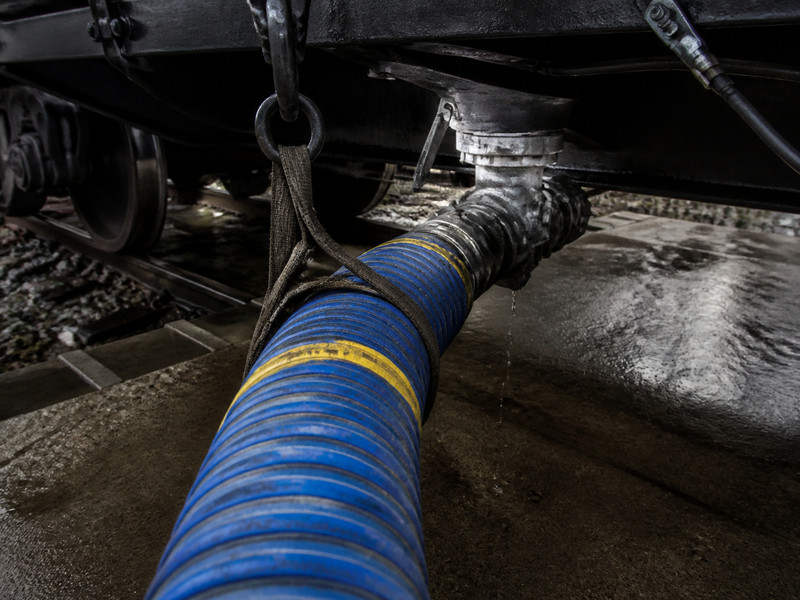
Figure 4. Cover and coupling inspection at the press, where remaining service life is confirmed.
Record what an inspection finds, not only whether the hose passed. A cover that has started to crack, a coupling that has crept and a hose that has stiffened are all early signals. Tracked over months, they show a shop how fast its presses spend hose life.
In our own teardown reviews, returned hoses from curing duty that had already lost tube flexibility still met their rated pressure on the test bench. Flexibility is one property a pressure test cannot measure.
None of these steps changes the physics. Heat will still age the tube and cycling will still load the coupling. What they change is how much avoidable damage is added on top of the unavoidable kind, and how early a shop learns about the rest.
Steam Hose Service Life FAQs
Does tire curing always use steam for the cure?
No. Saturated steam sets the standard for the heat-up phase. Many curing presses admit steam to the bladder for the first few minutes of the cycle, then finish the cure with high-pressure water or nitrogen. The steam step is what fixes the rubber vulcanization temperature, so the hose feeding it must be rated for that pressure and that temperature together, not for one of them alone.
What actually consumes steam hose service life?
Three things consume it: heat aging, mechanical load from bending and pressure pulses, and the number of cycles a press runs. A high-volume line that repeats a cure every 10–15 minutes spends service life far faster than the same hose on a slow line. Steam quality makes all three worse as soon as condensate reaches the hose.
Why is wet steam bad for the hose and the bladder?
Wet steam leaves a condensate film on the tube wall, so heat crosses a liquid layer before it reaches the rubber, and the wall runs below the steam’s saturation temperature. The cure then lags, the hose stays hot longer, and the bladder heats unevenly. Traps, separators and drainage keep the steam dry, which removes both the film and the water hammer it causes.
Can I choose a cure temperature independently of pressure?
No. Saturated steam has one temperature for each pressure, so the working pressure you admit fixes the cure temperature. At 6 bar the saturated-steam temperature is about 165 °C, and at 18 bar it is 210 °C. Rating a hose on temperature alone, without checking the pressure, is a selection error.
What does the tire vulcanization process ask of the hose connection?
It asks that connection to survive heat, pressure and repeated cycling at the same time. Mold and tire temperatures sit around 340–390 °F (170–200 °C), and a busy line can repeat the cycle every 10–15 minutes. The hose sees a sharp heat-up, a hold and then a change of medium, cycle after cycle, all day.
What is a bladder steam hose, and why does it wear fastest?
It is the flexible line that carries steam into the curing bladder inside the tire. It has the least margin in the plant: the steam arrives at its hottest, the pressure changes most often, and the run is too short to absorb movement, so the coupling takes the strain. A bladder change also disturbs the assembly.
Which ISO 6134 type suits a curing press?
It depends on the steam pressure at the press rather than on the tire size. Type 1 covers a maximum working pressure of 6 bar, and Type 2 covers 18 bar, corresponding to a saturated-steam temperature of 210 °C. Each type comes in Class A and Class B covers, chosen for oil resistance in the shop.
Does a perforated cover matter on a steam hose?
Yes. Vapor that permeates the tube has to leave the assembly, and the pin-pricks in the cover are its exit path; without them the cover lifts into blisters. It is a construction feature, not a substitute for the correct pressure class, the correct bore or a properly made assembly.
How do I know when to replace a steam hose?
Replace on an inspection finding rather than on a failure. Look for a hardened or cracking cover, a coupling that weeps or has crept, and a hose that has stiffened enough to load the coupling when the press opens. Set the interval in advance, then keep to it.
Can better steam quality extend hose service life?
Yes, because dry steam removes one of the mechanisms that consumes hose life. Dry, well-trapped steam means no slugs of condensate, no water hammer at the coupling and more even heating of the bladder. That does not stop heat aging in the tube, but it stops the avoidable damage that ends steam hose service life early.
Final Verdict: Steam Hose Service Life in Tire Vulcanization
A curing press consumes hose the way it consumes bladders: continuously, and faster on a busy line. Heat age-hardens the tube, cycling loads the couplings, and condensate adds damage that dry steam would not. The hose that lasts is the hose sized and rated inside its envelope from the first day.
Before the next press rebuild, confirm the basics:
- Working pressure matched to the cure, not to the nearest available hose.
- Bore chosen for flow and flexibility, not for convenience.
- Support that keeps the hose from flexing at the coupling.
- Traps, separators and drainage checked on every maintenance cycle.
- An inspection interval that is written down and followed.
A steam hose is a consumable rather than a permanent fitting. It is replaced on evidence, and the evidence comes from inspection, from a hose that has stiffened and from a record of what each press does to its hose.
HENGHUA manufactures steam hoses, steam hose assemblies, industrial hoses and hose fittings for distributors, EPC contractors and OEM brands worldwide. The steam hose range is built on an EPDM tube with textile or steel-wire reinforcement and a perforated, oil-resistant cover. Bore sizes and pressure classes cover the ISO 6134 Type 1 and Type 2 envelopes, and a high-temperature grade rated to 230 °C covers duties above the saturated-steam envelope.
Contact our engineering team for a quote, samples and help matching a hose to a curing press. Factory-direct pricing, short lead times for bulk orders, private labeling and OEM/ODM branding are available, and every assembly is hydrostatically tested to its rated working pressure before shipment.
About the author. This article was prepared by the HENGHUA engineering and test team, which designs steam hose assemblies for industrial steam duty and runs hydrostatic and steam-loop testing on production assemblies. The team works with distributors, EPC contractors and OEM brands on hose selection, coupling choice and installation practice for saturated-steam service.


 English
 Spanish
 Portuguese
 French
 German
 Arabic
 Russian
 Indonesian
 Japanese
 Korean