goodheart786@gmail.com

Hydraulic hose failure causes including abrasion, overheating, fitting damage and preventive maintenance

Hydraulic Hose Failure Causes: 10 Common Problems, Troubleshooting & Prevention Guide

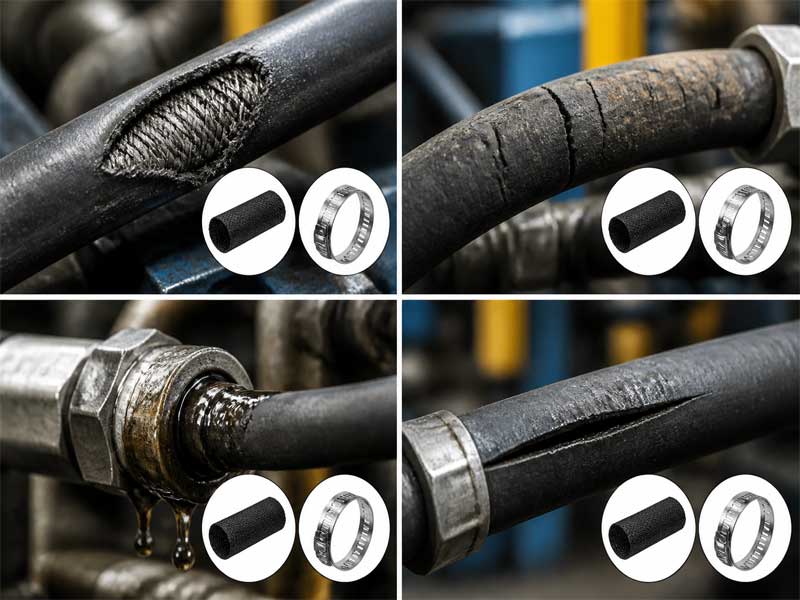
Hydraulic hoses usually fail because of a handful of preventable problems, primarily abrasion, incorrect installation, extreme temperatures, fluid contamination, and operation beyond specified pressure or bend-radius limits. Most premature failures are caused by installation problems and external abrasion rather than hose material defects. This guide explains how each failure mechanism develops, how to identify early […]

Hydraulic Hose Failure Causes: 10 Common Problems, Troubleshooting & Prevention Guide Read More »
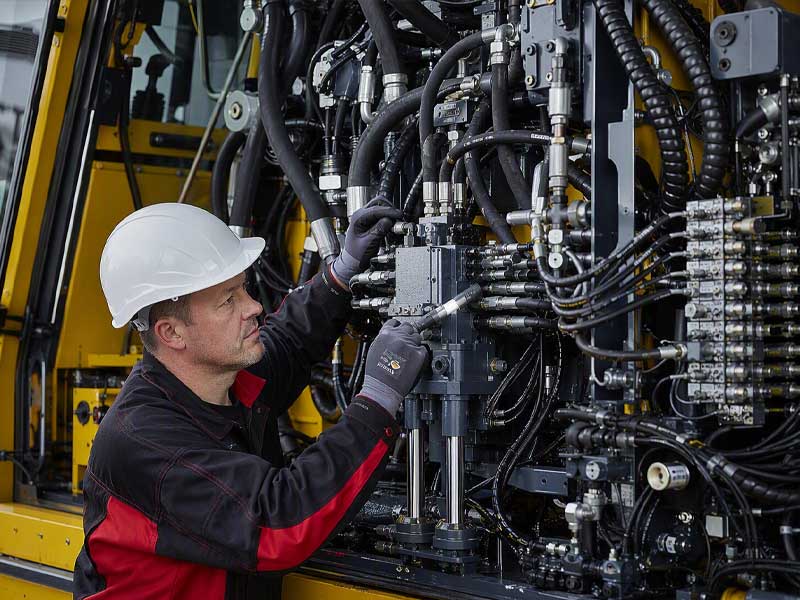
A professional engineer performing hydraulic system troubleshooting and preventive maintenance on a complex industrial machine to reduce lifecycle costs.

Hydraulic System Troubleshooting & Maintenance Guide: Common Failures, Preventive Maintenance & Lifecycle Cost Reduction

The 5 Most Effective Ways to Reduce Hydraulic System Maintenance Costs The most effective ways to reduce hydraulic system maintenance costs are: Replacing a reactive “fix-when-broken” approach with these proactive strategies reduces unexpected failures, extends component service life, and significantly lowers total ownership costs. What Is Hydraulic System Troubleshooting? Hydraulic system troubleshooting is the process

Hydraulic System Troubleshooting & Maintenance Guide: Common Failures, Preventive Maintenance & Lifecycle Cost Reduction Read More »

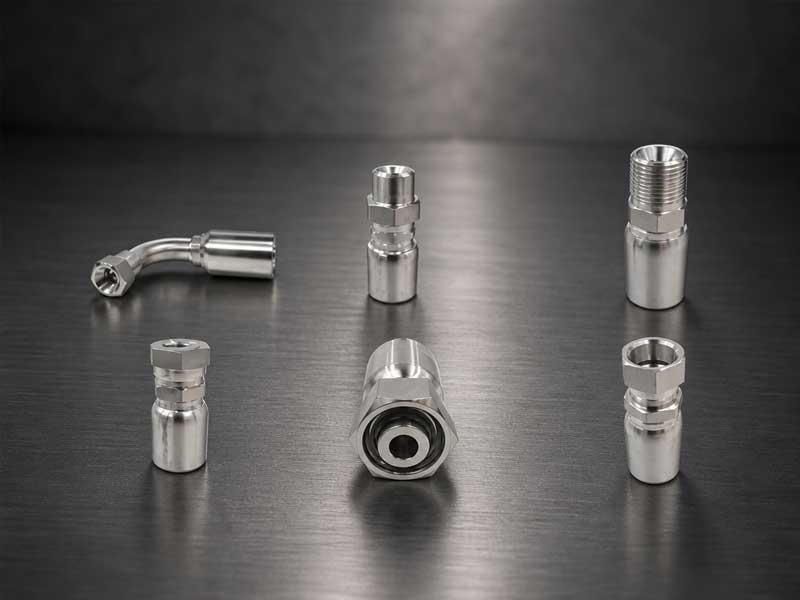
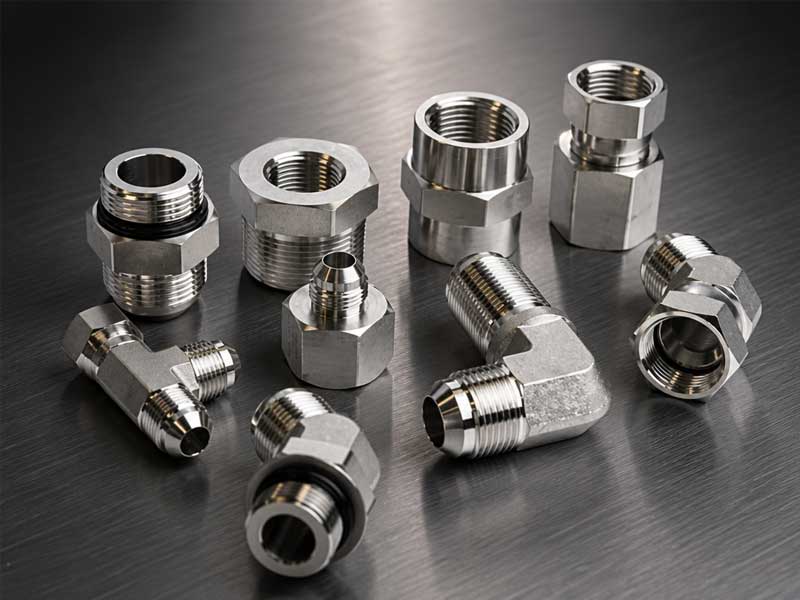
professional hydraulic adapter fitting collection

ASTM B117 Salt Spray Testing for Stainless Steel Hydraulic Fittings: Marine & Offshore Corrosion Resistance Guide

How Many Hours of Salt Spray Testing for Marine Hydraulic Fittings? ASTM B117 exposure durations for marine stainless steel hydraulic fittings commonly range from 240 to 500+ hours depending on material grade, surface treatment, customer specifications, and application severity. 316L stainless steel is generally preferred over 304 for these applications because its molybdenum content provides superior resistance to chloride-induced

ASTM B117 Salt Spray Testing for Stainless Steel Hydraulic Fittings: Marine & Offshore Corrosion Resistance Guide Read More »

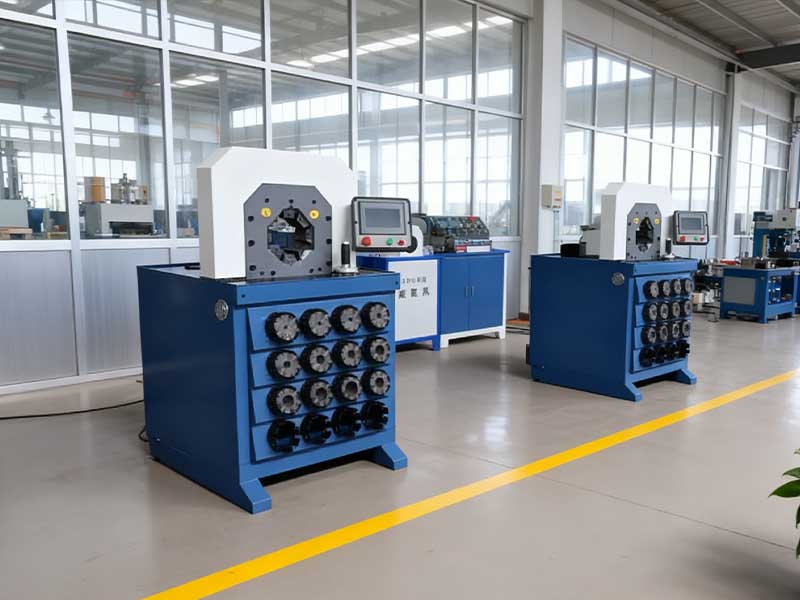
hydraulic hose crimping machines in factory workshop

Hydraulic Hose Crimper Machine: Smart IoT Technology, Benefits, Cost & Buying

Item Information Core Technology IoT Connectivity, Precision Sensors, Digital Automation Primary Function Automated hydraulic hose and fitting assembly Key Benefits High Accuracy, Full Traceability, Reduced Downtime Main Industries Mining, Construction, Automotive, Aerospace, Oil & Gas, Agriculture Future Trends AI Integration, Augmented Reality (AR), Predictive Maintenance A smart hydraulic crimper (also known as a hydraulic hose crimper machine

Hydraulic Hose Crimper Machine: Smart IoT Technology, Benefits, Cost & Buying Read More »

premium hydraulic fitting collection

Reusable vs Crimped Hydraulic Fittings: Pressure Rating, Safety, Cost & Performance Comparison

Reusable vs Crimped Hydraulic Fittings Permanent crimped hydraulic fittings are the preferred choice for high-pressure and safety-critical hydraulic systems because they provide higher pressure ratings, better vibration resistance, and more consistent assembly quality. Reusable hydraulic fittings are better suited for emergency repairs, mobile maintenance, and low-to-medium pressure applications where portability and fast field installation are more important

Reusable vs Crimped Hydraulic Fittings: Pressure Rating, Safety, Cost & Performance Comparison Read More »

A professional multi-line hydraulic hose testing rig connected to an industrial impulse pressure test bench in a high-tech stainless steel laboratory environment.

Complete Guide to Hydraulic Hose Testing: Hydrostatic, Impulse and International Standards (GB/T, ISO, SAE)

What Are the Main Hydraulic Hose Assembly Tests? Hydraulic hose assemblies are primarily validated through four core test methods to ensure safety and performance before deployment in OEM equipment: Test Method Primary Purpose Typical Reference Standard Hydrostatic (Proof) Pressure Test Verify pressure resistance and detect leakage under specified static pressure SAE J343, ISO 6605:2017, GB/T

Complete Guide to Hydraulic Hose Testing: Hydrostatic, Impulse and International Standards (GB/T, ISO, SAE) Read More »

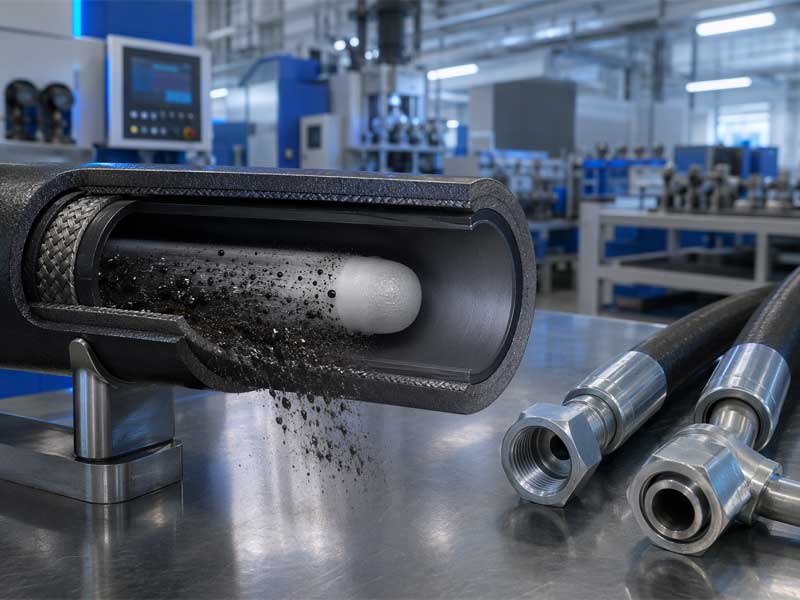
3D cutaway illustration of a hydraulic hose cleaning process using a white foam projectile to remove debris and contamination for ISO cleanliness control.

How to Clean Hydraulic Hose Assemblies: Methods, Procedure & ISO 4406 Guide

How Do You Clean a Hydraulic Hose Assembly Before Installation? A hydraulic hose assembly is cleaned by removing internal contaminants using foam projectile cleaning, fluid flushing, or filtered compressed air. The most effective method is foam projectile cleaning, performed before fitting installation, because it physically wipes the tube wall to remove rubber particles, cutting debris, and manufacturing

How to Clean Hydraulic Hose Assemblies: Methods, Procedure & ISO 4406 Guide Read More »

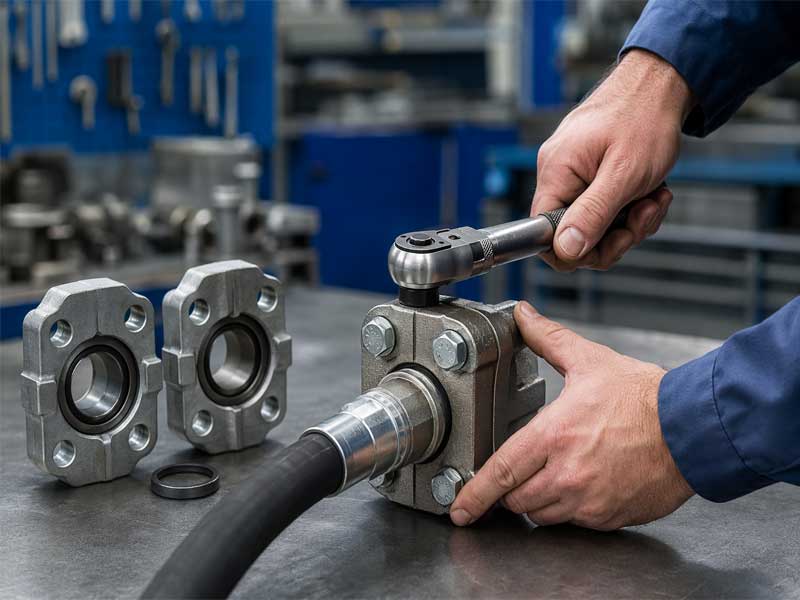
Professional technician installing SAE J518 split flange hydraulic fitting with torque wrench, featuring Code 61 and Code 62 design comparison.

Code 61 vs Code 62 Split Flange Installation Guide: Torque Chart, Procedure & Leak Prevention

How to Install Code 61 and Code 62 Split Flange Hydraulic Fittings Installing Code 61 and Code 62 split flange hydraulic fittings requires five steps: Never mix Code 61 and Code 62 components because their dimensions and pressure ratings are different. 1. What Are Code 61 and Code 62 Split Flanges? Split flange fittings, also

Code 61 vs Code 62 Split Flange Installation Guide: Torque Chart, Procedure & Leak Prevention Read More »

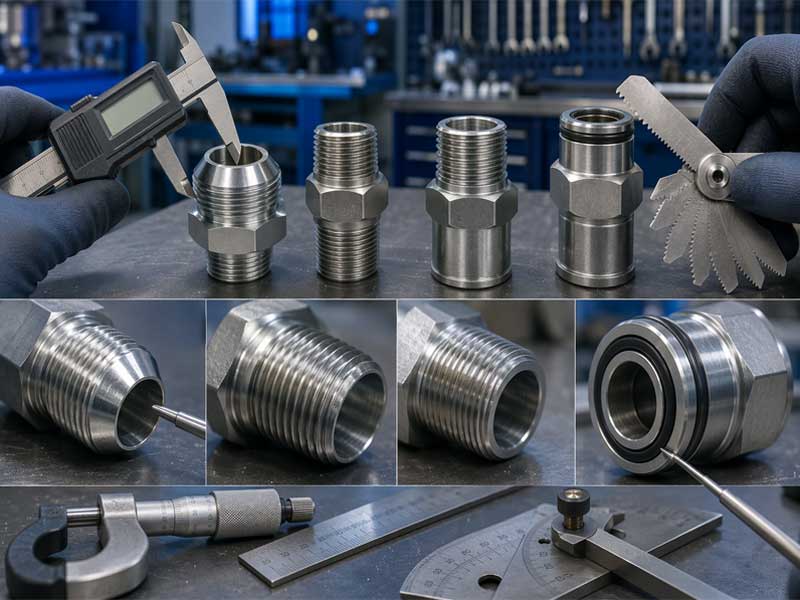
Technical illustration of JIC, NPT, BSPP, and ORFS hydraulic fittings with digital caliper and thread gauge measurement in a professional workshop.

Hydraulic Fitting Thread Identification Guide: How to Identify JIC, NPT, BSPP, and ORFS Fittings

How Do You Identify Hydraulic Fitting Threads? Hydraulic fitting threads are identified by checking four factors: the sealing method (flare, O-ring face seal, or thread seal), the thread shape (tapered or parallel), the thread diameter, and the thread pitch. JIC fittings use a 37° flare, NPT uses tapered 60° threads, BSPP uses parallel 55° threads with

Hydraulic Fitting Thread Identification Guide: How to Identify JIC, NPT, BSPP, and ORFS Fittings Read More »

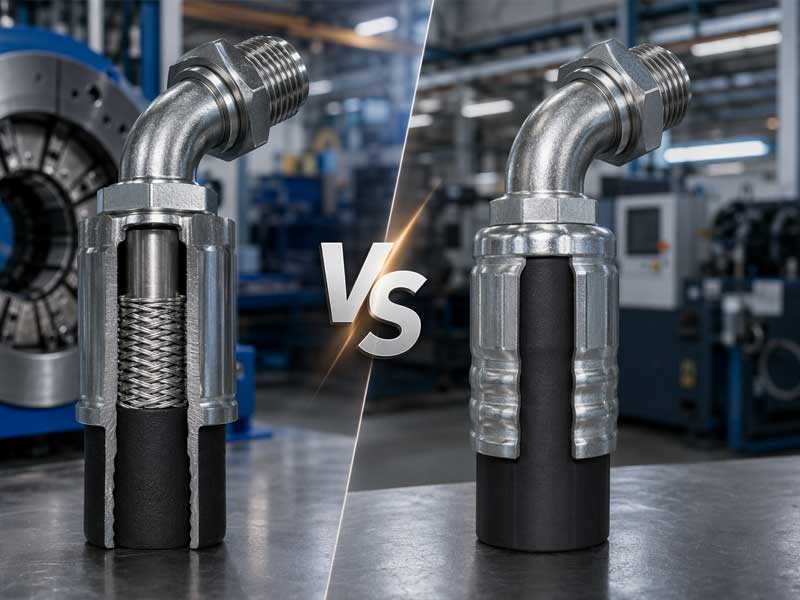
Technical split-screen cross-section comparison between skive and no-skive hydraulic hose fitting assemblies in an industrial manufacturing setting.

Skive vs No-Skive Hydraulic Hose Fittings: Differences, Advantages, Cost & Selection Guide

Skive vs. No-Skive Hydraulic Hoses Skive and no-skive hydraulic hoses differ mainly in how the fitting grips the hose reinforcement. No-skive fittings are faster to assemble because the hose cover remains intact and no skiving step is required. They are ideal for low and medium-pressure applications. Skive fittings remove part of the hose cover to expose the reinforcement wire,

Skive vs No-Skive Hydraulic Hose Fittings: Differences, Advantages, Cost & Selection Guide Read More »