

A safe rubber chemical hose for bulk transfer comes down to four facts: the chemical, the worst temperature, the working pressure, and whether the duty is suction or delivery. If you are choosing a hose for industrial chemical transfer, those four facts are the whole decision. Match the rubber compound, the reinforcement, and the cover to them, then keep the working pressure well below the burst pressure, and fit a crimped and tested assembly.
For engineers and buyers who move bulk chemicals, the fail-safe rule is simple: the weakest part of the assembly must still be stronger than the duty it meets. The sections below work through how working pressure, burst pressure, and the safety factor relate. They also set out the continuous temperature window of EPDM (ethylene propylene diene monomer rubber), NBR (nitrile butadiene rubber), and FKM (fluoroelastomer), and explain why the cover and the textile reinforcement decide where the hose fails.
All pressure and temperature values below are planning figures taken from the published construction data for this hose family; confirm them against the current data sheet before the hose is built.
About a 16-minute read at 250 words per minute; covers pressure rating against burst pressure, rubber compound temperature limits, cover and fabric choice, assembled against loose hoses, and the common failure modes.
What Makes a Rubber Chemical Hose Safe for Bulk Transfer
A rubber chemical hose is safe when its weakest part is still stronger than the duty it meets. Four conditions hold at once in a safe line. The liner resists the fluid, the rubber tolerates the heat, the structure carries the pressure and any vacuum, and the end connections do not leak or pull off. Miss any one and the assembly becomes the weak point.
Bulk transfer adds two risks that a short laboratory line does not have. The first is flow rate, because a fast stream generates static charge and can hammer the hose at a valve. The second is handling, because long lengths are dragged, coiled, and dropped on loading docks. A hose rated for a quiet duty can still be the wrong hose for a bulk line.
Start any selection with the duty rather than the catalog page. Table 1 answers the first question: which four values decide the hose, and why does each one matter?
Table 1. The four facts that decide a safe bulk-transfer hose, the value to collect, and why it matters (planning guidance).
| Fact | Value to Collect | Why It Matters |
|---|---|---|
| Chemical and concentration | Fluid family and strength | Sets the liner and the rubber compound |
| Worst temperature | Normal and peak wall temperature | Sets the rubber grade and any derating |
| Pressão de serviço | Pump setting plus any surge | Sets the reinforcement against the safety factor |
| Duty type | Suction, delivery, or both | Decides whether the hose needs a helix |
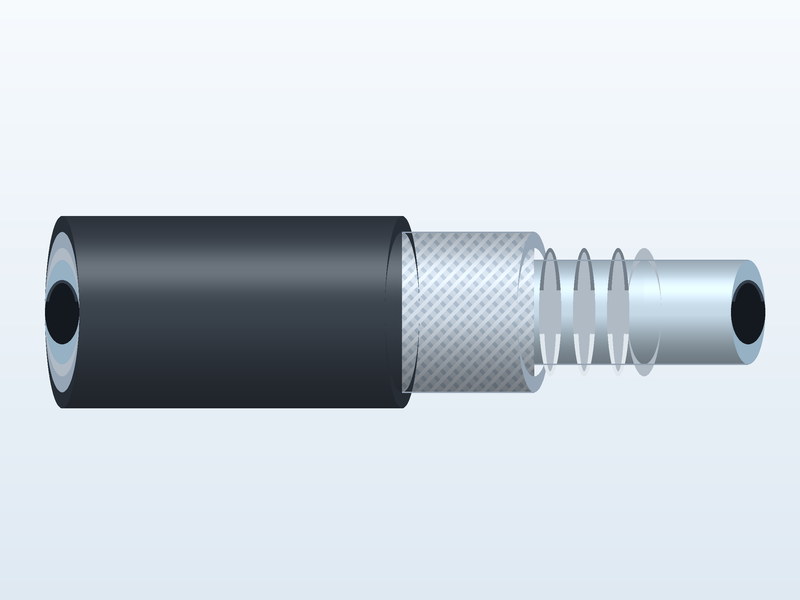
Figure 1. A rubber hose gains its pressure capacity from the textile reinforcement and its suction capacity from the embedded steel helix.
Collect the four facts above before the first quote request, not after. Where one reading is uncertain, take the harsher of the two possible values. Sized to the worst case rather than to an average, a hose of the same bore and length removes a hidden failure path, and the heavier reinforcement is a small part of the purchase price rather than a second specification.
Pressure Rating, Burst Pressure, and the 3–4x Safety Factor
Working pressure and burst pressure describe every pressure-limited hose, and they are not the same. The chemical hose pressure rating is the figure the assembly may carry in normal service. The burst pressure is the point at which the wall fails. Selection is made on the working pressure, while the burst pressure shows the margin above it.
Burst pressure normally runs about three to four times the working pressure. Treat that 3–4x gap as a safety factor, not a service allowance. The margin absorbs a pressure surge, a temperature derating, and a small amount of mechanical damage. A rubber chemical hose run near its burst pressure has no margin left for any of those.
A pressure surge is the event that turns a comfortable margin into a short one. Closing a valve against a moving column of liquid sends a spike back along the line, and the spike can exceed the steady pump pressure several times over. Open and close valves slowly, bleed a line that could trap liquid, and size the hose so the spike still lands below the burst pressure.
Common working grades for chemical service are 150 PSI (about 10 bar), 16 bar, and 17 bar. EN 12115:2021 constructions carry a working pressure of 10 bar across a −20 °C to +65 °C band (about −4 °F to +149 °F). A reinforced suction and discharge build reaches 17 bar, which shows how far a sound construction can go when the duty demands it.
Table 2 sets the common pressure grades beside the duties they suit and the note that applies to each:
Table 2. Common pressure grades for chemical transfer, the duty each suits, and the note that applies (planning values).
| Grade or Planning Figure | Duty It Suits | Note |
|---|---|---|
| 150 PSI (about 10 bar) | General drum, tote, and plant transfer | EN 12115 working pressure across −20 °C to +65 °C |
| 16 bar | Higher-pressure loading and unloading | Selected on the pump setting, not the average; confirm the duty temperature |
| 17 bar | Reinforced suction and discharge duty | Built on a steel helix and antistatic wires; confirm the duty temperature |
| Burst margin (about 3–4x working) | Not a grade; carried only for the margin | A planning figure, never a service target |
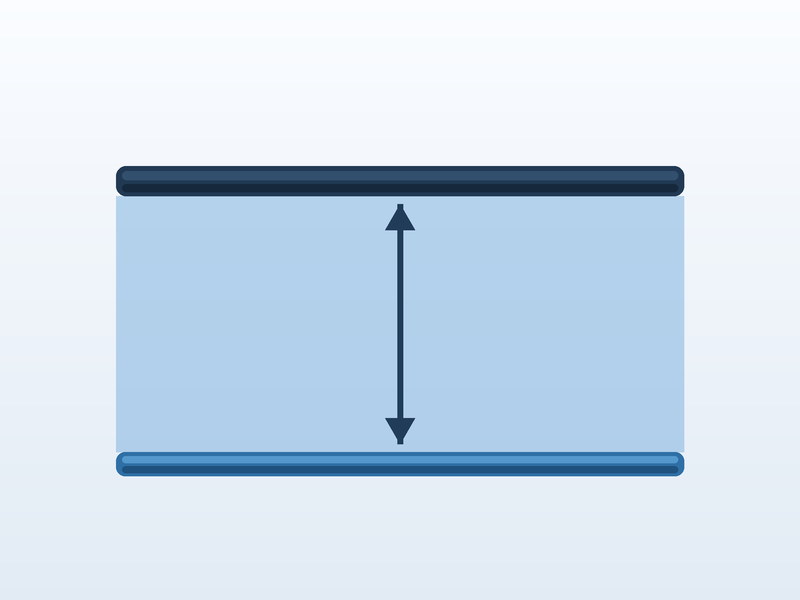
Figure 2. The working pressure sits well below the burst pressure, and the gap between them is the margin that absorbs surges and heat.
For any industrial chemical hose, the pressure rating applies at a stated temperature. Rubber loses strength as it heats, so the pressure a wall can hold falls with temperature. Read the quoted figure against the wall temperature it was measured at, not against the ambient reading.
Matching the Rubber Compound to the Chemical and the Heat
Rubber is not one material. EPDM, oil-resistant NBR, and FKM behave differently against acids, oils, and heat. The wrong choice swells, hardens, or cracks, and no pressure rating can rescue a compound that the fluid attacks. Temperature is the second filter after chemistry, because a compound that is fine at ambient can lose strength at the top of its window.
For many acids and bases, an acid resistant rubber hose is built on EPDM, which also resists ketones, alcohols, and steam. Hot petroleum oil is the boundary EPDM cannot cross, because oil swells the rubber until the wall fails. A line that carries both an acid and an oil needs a compound chosen for the harder of the two, or a separate hose for each.
Oil-resistant NBR sits at the other end of the map. It handles petroleum oils and fuels well, but ketones, esters, strong acids, and ozone sit outside its range. FKM covers the hottest and most aggressive duties, from hydrocarbons to acids at heat, though hot bases, ketones, and amines are outside its range. A compound is only right for the fluid it was chosen for.
Table 3 answers the compound question: which temperature window applies, and what sits outside it?
Table 3. Rubber compound, continuous temperature window, and the boundary that decides where each one stops (planning values).
| Compound | Temperature Window | Boundary |
|---|---|---|
| EPDM | −40 °C to +120 °C (−40 °F to +248 °F) | Acids, bases, ketones, alcohols, and steam; petroleum oils and aromatics sit outside this window |
| Oil-resistant NBR | −30 °C to +100 °C (−22 °F to +212 °F) | Petroleum oils and fuels; ketones, esters, strong acids, and ozone sit outside this window |
| FKM | −20 °C to +200 °C (−4 °F to +392 °F) | Hydrocarbons and acids at heat; hot bases, ketones, and amines sit outside this window |
Read Table 3 as a boundary map rather than a ranking. The chemistry decides the compound first, and the temperature then confirms it. A compound that sits at the edge of its window on a hot day has no margin left for a cold night or a stalled pump.
For a compound-by-compound view, the fluid compatibility chart for NBR, EPDM, and FKM maps fluids to hose liners, and the flexible hose materials guide covers the wider material set.
How Do Cover, Fabric, and Helix Decide Where a Hose Fails?
The cover protects the reinforcement, so a cover that fails early takes the whole hose with it. Choose a cover for abrasion, weather, and the splash it will meet, and treat the cover color as a marking aid rather than a performance grade. A light cover reflects heat and shows the fluid that leaks onto it, which helps an inspection catch a weep before it grows.
The fabric carries the load. High-tensile textile reinforcement turns internal pressure into tension in the cords, so the number and the angle of the plies set the pressure the wall can hold. Cord alone collapses under vacuum, which is why a suction duty adds a steel helix inside the wall.
Structure follows duty. The EN 12115:2021 forms are defined by direction: Type D is a delivery hose, and Type SD is a suction and delivery hose. An industrial chemical hose that must pull liquid from a tank, a sump, or a low drum needs the helix. The reinforced suction and discharge build shows the pattern: a synthetic rubber cover over the liner, synthetic textile cords, a steel helix, and two crossing antistatic copper wires, rated 17 bar.
Table 4 sets each duty beside the structure it needs and the reason behind that structure:
Table 4. Duty type, the structure it needs, and the reason (planning guidance).
| Duty | Structure Needed | Reason |
|---|---|---|
| Delivery only | Cord reinforcement, no helix | The hose only pushes fluid under pressure |
| Suction only | Cord reinforcement plus a steel helix | The helix resists collapse under vacuum |
| Suction and delivery | Cord, helix, and antistatic wires | One hose for both directions plus a static path |
Bend radius belongs in the structure decision, not only in the layout. A hose forced below its minimum bend radius kinks the wall, pinches the flow, and works the reinforcement loose at that spot. Support long runs, use sweep bends rather than sharp ones, and leave a slack loop at each corner instead of pulling the hose tight.
For a closer look at how the helix changes the wall, the comparison of suction versus delivery hose construction explains the internal support in more detail.
An Assembled and Tested Rubber Chemical Hose Versus a Loose Hose and Clamps
A hose is only as safe as the joint at each end. A crimped assembly is built to a fixed insertion depth, pressed with a controlled force, and proof-tested before it leaves the plant. A loose hose with field-fitted clamps depends on the skill of whoever tightens it, and on a torque that is easy to miss.
The difference shows up under a pressure surge. A clamp that is slightly loose can weep, and a clamp that is over-tightened can cut the cover and expose the reinforcement. Either way the joint becomes the failure point rather than the hose itself. A factory-crimped rubber chemical hose carries one specification on the label, and the specification you receive matches the one you ordered.
Order the assembly rather than the parts when the duty is critical. At the point of purchase a crimped assembly carries the cost of the crimp and the proof test, priced against the same bore and length as a loose hose and a set of clamps. That is a purchase-price comparison only: it does not include the cost of a joint that fails in service. That extra step at the factory removes the variable that field work adds, and it moves the risk away from the loading dock.
Match the fitting material to the fluid, the thread to the connection, and the bore to the flow, and use a fresh gasket where one is called for. A clamp that holds a chemical hose is a safety part, not a generic fastener. The hose clamp selection guide covers the materials and torque values behind that choice.
Where Does a Rubber Chemical Hose Fail First, and What Stops It?
A rubber chemical hose fails at its weakest point, and that point is usually predictable. Most failures follow a short list of causes, and each cause has a matching protective measure. Knowing the list turns a general inspection into a targeted check that takes only a minute.
Table 5 lists the failure modes in the order an inspection meets them, with the measure that prevents each:
Table 5. Common failure modes in rubber hose and the protective measure for each.
| Failure Mode | Usual Cause | Protective Measure |
|---|---|---|
| Cover cut or blister | Dragging and abrasion | Use a wear sleeve or a hose ramp, and route away from sharp edges |
| Swollen or hardened liner | Wrong compound for the fluid | Match the rubber to the chemical, and re-check the temperature |
| Weeping or blown fitting | Loose clamp or a poor crimp | Use a crimped assembly, and inspect the joint at every setup |
| Kink that will not relax | Bend below the minimum radius | Respect the bend radius, and fit a bend restrictor where needed |
| Static discharge | No path to earth | Use an antistatic or conductive grade, and bond and ground the line |
| Burst at a worn spot | Exposed reinforcement | Retire the hose as soon as the cover fails |
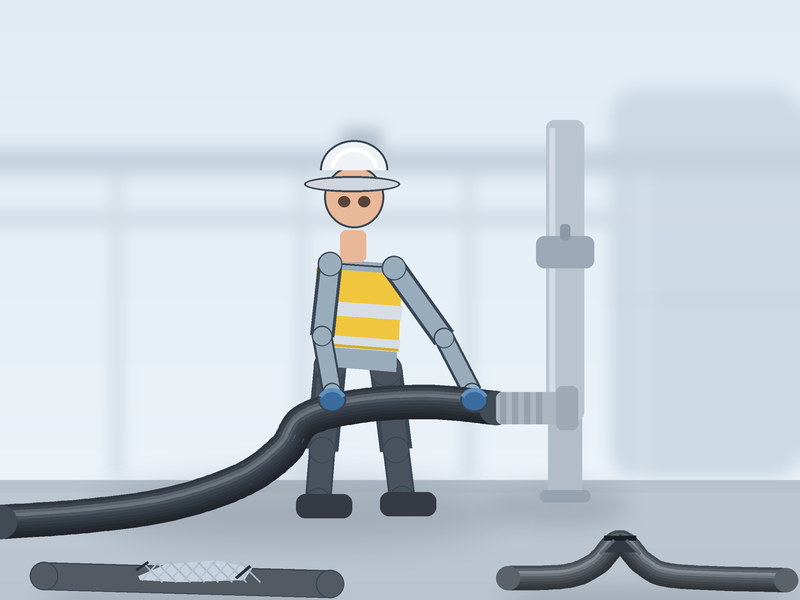
Figure 3. A short pre-use pass on the cover, the fittings, and the bend radius catches most of the listed failure modes before a transfer begins.
Static is the failure mode that ends in a fire, so it deserves its own rule. EN 12115:2021 grades the electrical path in four levels, and the terms antistatic and conductive name two different levels rather than one. Under OSHA requirements for bonding and grounding, ground the receiving vessel first, then bond the hose to it, and break the two connections in reverse when the transfer stops. A non-conductive container needs a grounded metal dip tube or a rod, and the flow should start slowly to limit charge.
For the plant-side procedure, see chemical hose for chemical plants. Standard names matter here as well: this page uses EN 12115:2021 for the construction and the electrical grading, and the hydraulic hose standards comparison explains how the main standard families differ.
Specifying a Safe Rubber Chemical Hose for the Quote
A quote request should describe the duty rather than a part number. When the four facts travel with the request, the supplier can match the compound, the structure, the fittings, and the marking in one step, and fewer revisions are needed before the hose is built.
Send these seven details with the request:
- The fluid or fluid family, and its concentration.
- The wall temperature in normal running and at its worst.
- Whether the duty pulls, pushes, or does both.
- The bore size, the length, and any bend radius.
- The working pressure, and any pump surge.
- Whether the grade must be the antistatic level or the conductive level.
- The fittings, the end connections, and whether a crimped assembly is needed.
Each answer drives one decision. Fluid and temperature set the compound. Suction or delivery sets the structure. Bore and length set the flow and the layout. The electrical grade sets the static path. The fittings set the seal. A supplier who receives all seven can quote one matched assembly instead of a family of options.
For a bulk industrial chemical hose, add the transfer volume per hour, so the bore can be checked against the flow. If the answer to any point is unknown, say so, because a supplier can plan around an open value but not around a wrong one. The rubber chemical hose you receive is only as good as the brief it was built to. If the duty spans more than one fluid family, send both sets of conditions and we will confirm whether one assembly covers them. Request a matched assembly quote
The brief also depends on your role. A maintenance engineer should send the inspection history and the worst wall temperature. A procurement engineer should send the bore, the length, and the annual volume, so one matched assembly can be quoted. An EHS reviewer should send the fluid family and confirm the grounding and bonding arrangement for the transfer point.
Rubber Chemical Hose Safety FAQs
What is the difference between working pressure and burst pressure?
Select on the working pressure and treat the burst pressure as the wall’s breaking point. Working pressure is the figure the hose may carry in normal service; burst pressure is a planning margin rather than a service number. The gap between the two absorbs surges, heat, and minor damage, so keep the working pressure well below the burst point.
How do I read a chemical hose pressure rating?
Two conditions come with any rating: a stated temperature, and a hose with no damage. Read the working pressure rather than the burst pressure, and confirm the temperature it applies to. If the fluid is hot, or the pump surges, keep a margin below the working pressure. The figure also assumes sound fittings, because a weak joint lowers the safe working point.
Is an acid resistant rubber hose the same as an EPDM hose?
An acid-service hose is often an EPDM hose, but the two names do not mean the same thing. Many acid-duty constructions use EPDM, because it holds up against a wide range of acids and bases as well as ketones, alcohols, and steam. The name describes the duty rather than the compound, so always confirm the actual rubber. EPDM is not suited to petroleum oils, so a hose for mixed acid and oil service needs a different compound.
Which rubber compound should I choose for hot oil on a bulk unloading line?
Oil-resistant NBR (nitrile butadiene rubber) is the usual choice for petroleum oils and fuels, with a continuous window of about −30 °C to +100 °C. Where the oil runs hotter than that, FKM (fluoroelastomer) reaches about +200 °C and also handles hydrocarbons; hot bases, ketones, and amines sit outside its range. Check the fluid against the compound, because oil and heat together narrow the safe range.
Is a crimped chemical hose assembly safer than loose hose and clamps on a critical transfer?
Because the crimp is set by machine rather than by hand. A factory assembly is proof-tested before dispatch, so the joint you receive has already been held at pressure once. A field clamp is only as good as the torque applied on the day, and that torque is easy to miss with a hand wrench. Ask for the proof-test record when the duty is critical.
My transfer hose keeps failing at the fitting rather than at the wall. Why?
Check the cover first, because dragging damage shows before anything else. Then check the joint, because a weeping fitting is the next most common cause. A liner that has swollen or hardened points to the wrong compound, and a kink that will not relax after the pressure is released points to a bend below the minimum radius. Static discharge leaves no visible mark, so test the path to earth separately.
Does a suction line really need a steel helix, and what happens without one?
Only when the duty involves suction. A steel helix inside the wall resists collapse under vacuum, so any hose that pulls liquid from a tank, a sump, or a low drum needs one. A hose built for pressure alone needs no helix inside the wall. State the duty when you order, because the suction-rated form and the delivery-rated form are built differently and are not interchangeable.
How does temperature affect the pressure a hose can hold?
Ask the supplier for the pressure figure at the wall temperature you actually run, because a figure quoted at room temperature does not describe a hot line. Three checks apply. Confirm that the compound’s continuous window covers the wall temperature. Confirm that the pressure figure was quoted at that temperature rather than at ambient. Then keep the working pressure below the figure. Where the duty sits near the top of the window, allow extra margin.
Can a single hose carry several different fluids across a week of production?
One hose can serve several fluids, but only where the fluids share a compatible compound and the same temperature range. A hose that carries acid one day and oil the next will fail early, because EPDM and NBR sit at opposite ends of the chemical map. Keep one hose for one family of fluids, label it clearly, and retire it when the cover shows damage.
How often should I inspect a transfer hose, and when should I retire it?
Inspect before every use with a visual check of the cover, the fittings, and the marking on the cover. Add a formal check monthly or quarterly, depending on the fluid and the duty, and include a bend test. Retire the hose when the cover exposes the reinforcement, when a fitting leaks or swivels, or when a kink does not relax. Replace the assembly rather than repairing it.
Final Verdict: Choose the Right Rubber Chemical Hose
Safety in chemical transfer is a chain, and the rubber hose is one link in it. Choose the compound for the chemical and the heat, the structure for the pressure and the vacuum, and the assembly for a joint that stays sealed. Then keep the working pressure well below the burst pressure, and inspect the hose before every use.
Use this short list as the final check before the hose reaches the line:
- Match the rubber compound to the fluid and the worst wall temperature.
- Select on the working pressure, and treat burst as a 3–4x planning margin.
- Use a steel helix for any suction duty.
- Order a crimped and tested assembly rather than loose hose and clamps.
- Use an antistatic or conductive grade, ground the receiving vessel first, then bond the hose to it.
- Retire on exposed reinforcement, a leaking or swivelling fitting, or a kink that will not relax.
For an acid service, an acid resistant rubber hose is often the right starting point, but confirm the actual compound before you commit, because the name describes the duty rather than the material. The chemical hose complete guide is the hub that links the material, size, and standard pages behind this page. Treat the chemical hose pressure rating as a service limit rather than a target, and the hose will keep its margin.
About HENGHUA: Rubber and Chemical Hose Manufacturing
HENGHUA manufactures chemical hoses and complete hose assemblies for distributors, retailers, and OEM brands. The chemical hose line includes UHMWPE (UPE), XLPE, and PTFE liners as well as rubber (EPDM and oil-resistant synthetic rubber) constructions, with high-tensile textile reinforcement and, for suction duty, a steel helix. We supply factory-crimped assemblies, custom lengths, fittings, cover printing, private label, and OEM/ODM work.
Because we control compounding, extrusion, reinforcement, and crimping, commercial terms stay simple: factory-direct pricing, short lead times on bulk orders, and a warranty. If you are sourcing hoses for a bulk transfer program, send us the duty and we will quote a matched assembly as a planning figure. Get a quote and free samples






 English
  Spanish
  Portuguese
  French
  German
  Arabic
  Russian
  Indonesian
  Japanese
  Korean