
Steam hose selection in shipyards and chemical plants follows one fixed order. Match the grade to the pressure and temperature pair, the bore to the flow, the cover to abrasion or chemical splash, and the fittings to the assembly pressure.
Two site profiles follow, each with its duty list, rating pairs, cover checks, and maintenance rules. Steam cleaner machines run a different duty and are specified separately.
About a 15-minute read at 250 words per minute; the tables hold the numeric data and the prose explains how to read it.
What Makes Steam Hose Selection Different in Heavy Industry
A shipyard and a chemical plant both run saturated steam, but they punish a hose in different ways. Outdoors, salt-laden air, ozone, ultraviolet light, and abrasion across deck edges age the cover faster than the steam ages the tube. Indoors, chemical splash, heat tracing, and condensate arrive together. Good steam hose selection records both the steam condition and the physical threat before any size is chosen.
Two international grades frame the market. ISO 6134 Type 1 covers low-pressure steam hose at a maximum working pressure of 0.6 MPa (6 bar) and a matching temperature of 164 °C. Type 2 covers high-pressure steam hose at 18 bar and 210 °C. A hose marked to either grade still has to survive the site, so the grade is a starting point, not the answer.

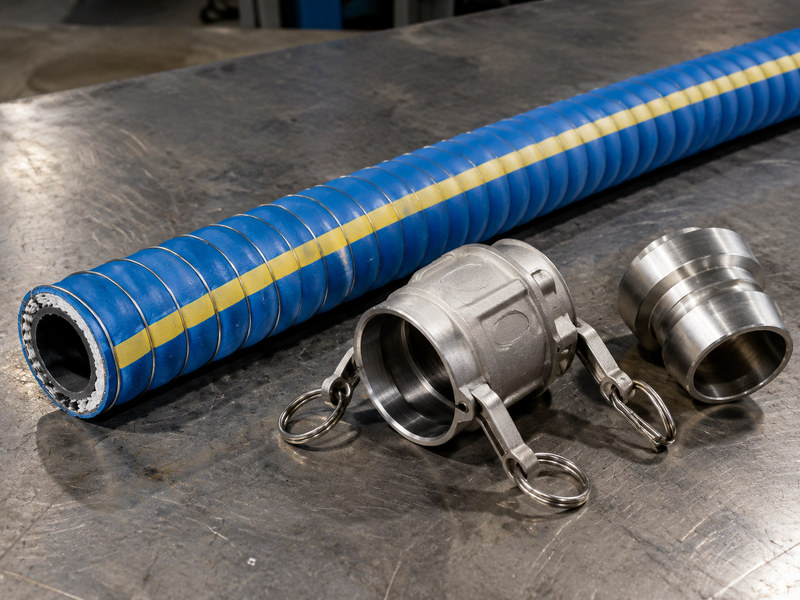
Figure 1. The tube carries the steam, the wire braid holds the pressure, and the pricked cover vents vapor.
Buyers who stop at pressure alone often lose a hose to cover failure within a season, because shipyard steam hose and chemical plant hose face different cover threats. Our saturated steam hose reference keeps the material background in one place, so these notes stay on the duty and the data.
Which Duties Does a Shipyard Run on Steam?
A shipyard uses steam for a small set of recurring jobs, and each one stresses the hose differently. Boiler blowdown moves hot water and flash steam at high flow for short periods. Tank and hold cleaning needs a long reach down into confined spaces. Deck washdown runs almost continuously in wet, salty air. Thawing and de-icing of outdoor lines happens in freezing weather, when the cover is least flexible.
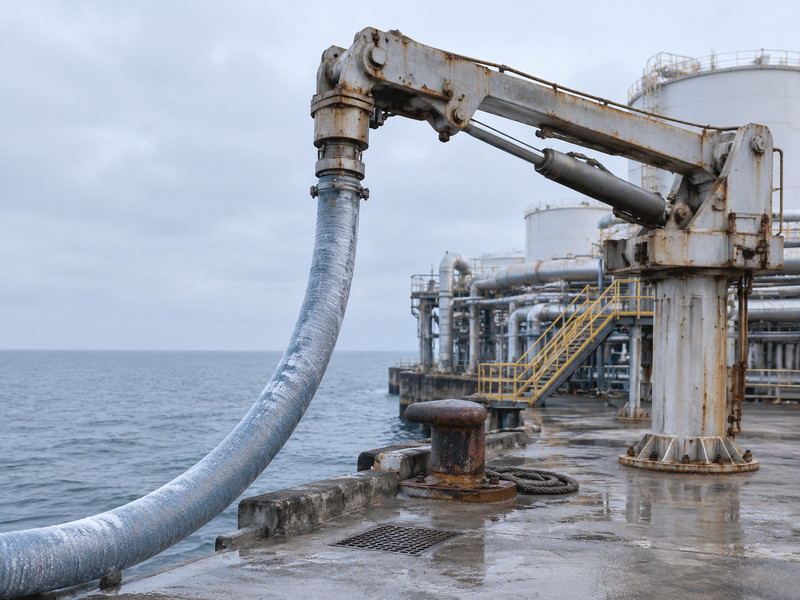
Abrasion is the signature shipyard threat, measured by ISO 4649. A hose dragged over a deck edge, a coaming, or a hatch lip loses its cover in the same place every time. Once the wire reinforcement is exposed, salt water starts to corrode it, and the assembly fails well before its pressure rating is reached. That is why a shipyard steam hose is specified from the outside in. The marine hoses and fittings buying guide covers the fittings side of the same duty.

Figure 2. Wear repeats at the same point wherever a hose crosses a deck edge, and the cover fails first.
The four duties sit beside the salt-laden air exposure common to all of them.
Table 1. Shipyard steam duties and the hose property each one tests.
| Duty or exposure | Steam condition | 標準的な内径 | Property it tests | Failure mode to watch |
|---|---|---|---|---|
| Boiler blowdown | Saturated steam to 210 °C, short bursts | 3/4 in to 1.5 in | Heat-resistant tube, perforated cover | Tube blistering from trapped condensate |
| Tank and hold cleaning | Saturated steam, intermittent | 1/2 in to 1 in | Flexibility and abrasion resistance | Cover wear at the coupling |
| Deck washdown | Wet saturated steam, continuous | 3/4 in to 1.5 in | Ozone and weather resistance | Cover cracking after ozone aging |
| Thawing and de-icing | Low-pressure saturated steam | 1/2 in to 1 in | Cold flexibility and weather resistance | Stiff cover cracking at bends |
| Salt-laden air exposure | Not a steam duty on its own | Any size in service | Cover adhesion to the reinforcement | Corrosion under a breached cover |
Read Table 1 by column rather than by row. The steam condition sets the tube and the reinforcement, while the cover column carries the shipyard threat that pressure data never shows. A hose that passes its pressure test can still fail the ozone and abrasion columns inside one season. That single point is why shipyard steam hose is specified on the cover as much as on the pressure class, and why steam hose selection for a shipyard treats the cover as the deciding layer.
How Steam Hose Selection Changes Inside a Chemical Plant
A chemical plant runs steam closer to the process, so the consequences of a failure are higher. Reactor and vessel cleaning uses steam to soften residues on internal surfaces. Steam tracing and heat tracing keep process lines warm, so the hose often works at a steady temperature for long shifts. Tank heating holds a product at temperature, so condensate forms steadily. Chemical splash reaches the cover whenever a connection is broken, and water hammer arrives whenever condensate is not drained.
Condensate and water hammer are the pair that decides most chemical plant hose choices. If condensate is allowed to collect, a steam pocket can drive it into the hose wall at speed, and the shock loads the tube and the coupling together. The common fix is a drain after every use, not a heavier hose. For the transfer side of the same plant, the chemical hose category lists hoses that handle the product rather than the steam.
Table 2. Chemical plant steam duties and the hose property each one stresses.
| Duty or exposure | Steam condition | 標準的な内径 | Property it tests | Failure mode to watch |
|---|---|---|---|---|
| Reactor and vessel cleaning | Saturated steam, repeated cycles | 1/2 in to 1 in | Tube heat resistance, coupling grip | Tube blistering, coupling pull-off |
| Steam tracing and heat tracing | Steady saturated steam | 3/8 in to 1 in | Long-shift temperature stability | Slow hardening of the tube |
| Tank heating | Saturated steam, long dwell | 3/4 in to 1.5 in | Cover and reinforcement endurance | Cover delamination |
| Condensate and water hammer | Two-phase slugging | 3/4 in to 1.5 in | Tube toughness and fitting retention | Sudden tube split or coupling leak |
| Chemical splash on the cover | Not a steam duty on its own | Any size in service | Cover compound resistance | Cover swelling and cracking |
The two-phase row is the one buyers underestimate. A saturated-steam line that is always wet and always drained behaves well, but the same line with pooled condensate behaves like a hammer inside a tube. The cover column also matters here, because chemical splash attacks the outside of the hose, not the bore. A chemical plant hose that ignores that outside threat will show its first damage on the cover, so steam hose selection weighs it as heavily as the pressure class.
Bore, Pressure and Temperature: Steam Hose Sizing Fundamentals
Steam hose sizing starts from three numbers, and only one of them is a pressure. The first is the maximum working pressure of the steam, taken at the hottest point. The second is the temperature that goes with that pressure, because saturated steam fixes the two together. The third is the bore that carries the required flow without adding needless weight, which matters when the hose is dragged by hand.
The pressure and temperature pairing is not a free choice. ISO 6134 Type 1 and Type 2 encode the split that saturated steam itself follows. Superheated steam raises the temperature at the same pressure and puts a greater thermal demand on the hose materials. Size a saturated line from the saturated pair, and treat superheated data as the design case only where the line reaches it.
For steam hose sizing, bore is a flow and handling decision rather than a safety decision. Standard length tolerance under ISO 1307 is commonly published as ±1%, but the bore still has to match the pump or the lance at the far end. The hose size selection guide walks through the flow arithmetic in more detail. Table 3 collects the rating pairs and the bore ranges that cover most of the two sites.
Table 3. Pressure and temperature pairs and the bore ranges that cover most steam duties.
| Reference or duty | Pressure | 温度 | 標準的な内径 |
|---|---|---|---|
| ISO 6134 Type 1, low pressure | 6 bar (0.6 MPa) | 164 °C | 1/2 in to 1 in |
| ISO 6134 Type 2, high pressure | 18 bar (261 psi) | 210 °C (410 °F) | 3/8 in to 1.5 in |
| Superheated steam duty | 17 bar (250 psi) | 232 °C (450 °F) | 1/2 in to 1 in |
| Hot water comparison, planning figure | about 20 bar | about 95 °C | 1 in to 2 in |
The hot water row is a planning figure, not a steam rating, and it is included only so the two families are not confused. Note how far the steam pairs sit above it. A hose chosen for a 95 °C water duty has no place on a line that reaches 210 °C, and the pressure number alone will not reveal the mistake. The superheated pair is a published industry rating, not an ISO 6134 class.
Steam Hose Selection Checklist: Which Checks Decide a Line?
A repeatable checklist turns steam hose selection from a guess into a record. The goal is to answer five questions on paper before a purchase order is raised.
Confirm the steam type and the worst case first, because a saturated line that occasionally sees superheated steam has to be sized for the superheated case. Confirm the working pressure and then look at the burst margin, not the reverse. Confirm the cover against the site threat, and confirm the end fittings against the assembly pressure, because clamp or banded couplings can reduce assembly working pressure below the hose rating. The note on working pressure versus burst pressure sets out why that margin matters more than the headline number.
Table 4. The five checks that decide a steam hose line, in the order that avoids rework.
| Check | What to confirm | Why it decides the line |
|---|---|---|
| Steam type | Saturated or superheated, and the worst case | Superheated steam imposes a greater thermal demand |
| Pressure | Maximum working pressure at the hottest point | It sets the rating class and the burst margin |
| 温度 | The temperature paired with that pressure | It sets the tube compound and the cover |
| ボア | Flow needed at the lance or the vessel | It sets handling weight and pressure drop |
| Cover and fittings | Site threat and the assembly pressure | Banded couplings can derate the assembly |
The order matters more than the individual rows. Teams that start with the cover often specify a hose that cannot take the temperature, and teams that start with the fittings often forget the derating rule. Working down the table keeps the pressure, temperature, and bore consistent before the cover is chosen.
Cover, Reinforcement and Markings You Can Verify On Site
The cover and the reinforcement decide whether a hose survives the site, and the marking tells you what is inside. A steam hose uses a heat-resistant EPDM or chlorobutyl tube and a wire braid or spiral reinforcement. The EPDM cover is perforated or pin-pricked, so steam that crosses the wall can vent instead of lifting the cover. A hot water hose, by contrast, has an unperforated cover. Our steam hose range is built to this layer stack, and each product page states the type and pairing.

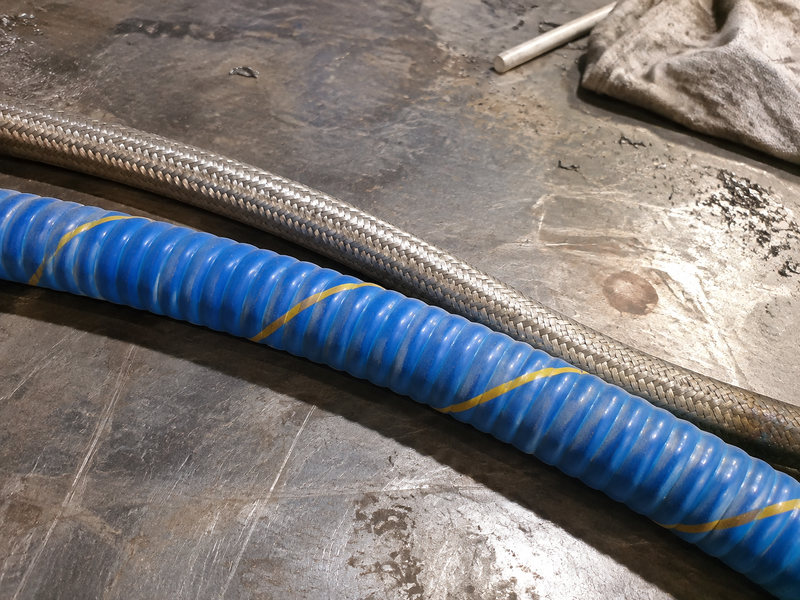
Figure 3. A pricked cover beside a smooth one: the perforations vent vapor, the smooth surface seals it in.
Markings are the second field clue. Under ISO 6134, a hose is commonly branded with its type, its pressure and temperature pairing, an electrical grade for static dissipation, and the quarter and year of manufacture.
Table 5. Steam hose layers, materials, functions, and the field clue for each one.
| レイヤー | 素材 | 機能 | Field clue |
|---|---|---|---|
| インナーチューブ | Heat-resistant EPDM or chlorobutyl | Carries saturated or superheated steam | Black, smooth bore with no odor |
| 補強 | Wire braid or wire spiral | Holds pressure and resists impulse | Braid count rises with the pressure class |
| Steam cover | EPDM, perforated or pin-pricked | Vents steam and resists weather | Visibly pricked surface, red or black |
| Water cover | EPDM, unperforated | Protects a hot water line only | Smooth, unpricked surface |
| Branding | Printed sheath text | States type, pairing, and date | Type, pressure, temperature, quarter, year |
Table 5 carries two entries worth a second look. The pricked cover is a vent path, not a cosmetic finish, and a smooth cover on a steam line is the warning sign. The branding entry is the fastest audit a storekeeper can run.
Maintenance Rules That Extend Steam Hose Life
Steam hose life is decided as much by how the hose is treated as by how it is built, and one rule sits above the rest. Drain the hose after every use. Residual liquid left inside the bore will boil and migrate into the tube wall on the next startup, and the trapped liquid causes the tube to blister in a pattern the trade calls popcorning.
Storage and handling are the next largest factors. Keep hose out of direct sunlight when it is not in use, coil it to its rated bend radius, and hang it so the bore can drain. Inspect the cover at the same points every month, because wear concentrates where the hose crosses an edge or rests against a fitting.
Maintenance should also match the site. A shipyard hose spends its life outdoors, so weather and abrasion set the inspection points. A chemical plant hose spends its life near process equipment, so splash and impulse set them. Table 6 compares the two sites on the practices that matter most.
Table 6. Maintenance practices ranked by site, shipyard versus chemical plant.
| Practice | Shipyard emphasis | Chemical plant emphasis |
|---|---|---|
| Drain after every use | Prevents freezing of pooled condensate | Prevents water hammer on restart |
| Cover inspection | Edge and coaming wear, ozone cracking | Chemical splash swelling and cracking |
| Storage | Shade and dry, away from salt spray | Segregated from incompatible chemicals |
| Fitting check | Wire exposed at the coupling | Coupling retention under impulse |
| Retirement rule | Cover breached to the wire | Any cover or tube breach near a vessel |
Both sites retire a hose at a breach, but the threshold and the cause differ. The shipyard reaches that point through abrasion and weather, and the chemical plant reaches it through chemical attack and impulse. Retire the hose once the braid is visible, once a blister lifts the cover, or once a coupling weeps under pressure, and at any breach near a chemical vessel. A scuffed cover with the braid still hidden is a record-and-watch item.
The Decision: Steam Hose Selection for a Shipyard or a Chemical Plant
Put the two sites side by side and the decision narrows quickly. If a shipyard steam hose will cross deck edges in salt air, prioritize a thick, abrasion-resistant perforated cover. If the hose will work near a reactor or a traced line, prioritize tube temperature stability and coupling retention.
Steam hose sizing at both sites rests on the same four inputs: steam type, working pressure, paired temperature, and bore. The site then decides the cover and the end fittings. When the answers are written down, a second supplier can quote against the same record. Once it is live, our steam hose guide by application will index each duty page in one place; that link is a planned URL — publish before linking. To see where these lines come from, visit About HENGHUA.
Shipyard and Chemical Plant Steam Hose FAQs
Which steam hose is best for a shipyard deck washdown?
For continuous deck washdown in salt air, choose a hose with a perforated EPDM cover, a heat-resistant tube, and a cover thick enough to survive dragging over edges. Size the bore for the flow the nozzle needs, and keep the working pressure above the worst case the line can see. Confirm the hose carries a type and a pressure and temperature pairing before it goes into service, because spray and brine hide cover damage quickly.
What pressure and temperature pair should I use for saturated steam?
Saturated steam fixes pressure and temperature together, so you do not choose them separately. ISO 6134 Type 1 pairs 6 bar with 164 °C, and Type 2 pairs 18 bar with 210 °C. Read the maximum working pressure at the hottest point of the line, then match the pair to that point rather than to the boiler outlet. A pair copied from a cooler section will underrate the hose.
Why does a steam hose need a perforated cover?
Steam crosses the hose wall in small amounts during normal service. If the cover is sealed, that vapor collects under it, lifts it, and blisters it away from the reinforcement. A perforated or pin-pricked cover gives the vapor a path out, so the cover stays bonded and the hose keeps its outer protection. A hot water hose carries the smooth cover; a steam line carries the pricked one.
How do I tell a steam hose from a hot water hose on site?
Look at the cover first. A steam hose has a visibly pricked or perforated cover, while a hot water hose has a smooth, unpricked cover. Then read the branding: a steam hose is commonly marked with its type, its pressure and temperature pairing, and the quarter and year of manufacture. If neither clue is present, do not put the hose on a steam line, because the two look similar in a rack.
What bore do I need for tank and hold cleaning?
Bore for tank and hold cleaning follows the flow the nozzle needs and the distance it has to reach. A long reach through a small access opening favors a smaller bore that stays flexible, while a short high-flow washdown favors a larger bore. Typical steam hose for this duty runs from 1/2 in to 1 in. Confirm the bore against the lance or pump connection before ordering, since adapters add pressure drop.
How does condensate cause water hammer in a chemical plant line?
Steam condenses as it cools, and the liquid collects at low points or behind closed valves. When steam next meets that pooled liquid, it collapses the bubbles and drives the slug along the bore at speed. The slug hits bends, the tube wall, and the coupling, and repeated shocks can split the tube or pull the fitting. Draining the hose after every use removes most of the risk.
Can I use a universal quick-acting coupling on a steam hose?
No. Universal quick-acting couplings are not rated for steam service and must not be used on a steam hose. Use couplings and clamps that are specified for steam, and remember that a clamp or banded connection can reduce the assembly working pressure below the hose rating. That derating rule appears in the NAHAD industrial hose assembly guidelines, so check the assembly pressure, not only the hose pressure.
Why must a steam hose be drained after every use?
Residual liquid left in the bore boils when the hose is put back into service. The trapped liquid migrates into the tube wall and turns it into blisters, a failure the trade calls popcorning. Once the tube has blistered, the hose cannot be repaired and will fail early. Draining after every use is the cheapest maintenance step available, and it costs nothing beyond the minute it takes.
What standards should a steam hose order reference?
Start with ISO 6134, which defines low-pressure and high-pressure steam hose and their pressure and temperature pairs. Add ISO 1307 for size and length tolerance, ISO 1402 for hydrostatic and burst testing, and ISO 6803 for impulse testing. Name ISO 4649 if abrasion resistance matters, and ARPM IP-11-1 for inspection. If the hose will carry food or pharmaceutical steam, ask about food-contact compliance and name the regulations the hose is expected to meet.
Does superheated steam need a different hose from saturated steam?
Yes. Superheated steam imposes a greater thermal demand on hose materials than saturated steam at the same pressure, so a hose that is only rated for saturated service may not survive a superheated duty. Size for the worst case the line can reach, including startup and abnormal conditions. If a line is normally saturated but occasionally superheated, treat the superheated case as the design case.
HENGHUAについて
HENGHUA is a hose and fittings manufacturer supplying global distributors, retailers, and OEM brands. Our steam hose lines are built with an EPDM or CR inner tube, one or two layers of wire braid or four to six layers of wire spiral, and a pin-pricked cover. Bore sizes run from 3/8 in to 4 in. Saturated steam service runs to 210 °C, and superheated steam service runs to 230 °C. A separate food-grade hose line serves food and beverage work.
The factory covers 35,000 m², runs 95 production lines, and exports to more than 70 countries. Our quality systems follow ISO 9001, IATF 16949, and ISO 14001, and our in-house laboratory carries out hydrostatic testing to ISO 1402 and impulse testing to ISO 6803. We offer factory-direct pricing, short lead times on volume orders, and a warranty, with OEM/ODM support, custom lengths to a ±1% tolerance, sheath printing, and private label.
 English
 Spanish
 Portuguese
 French
 German
 Arabic
 Russian
 Indonesian
 Japanese
 Korean