
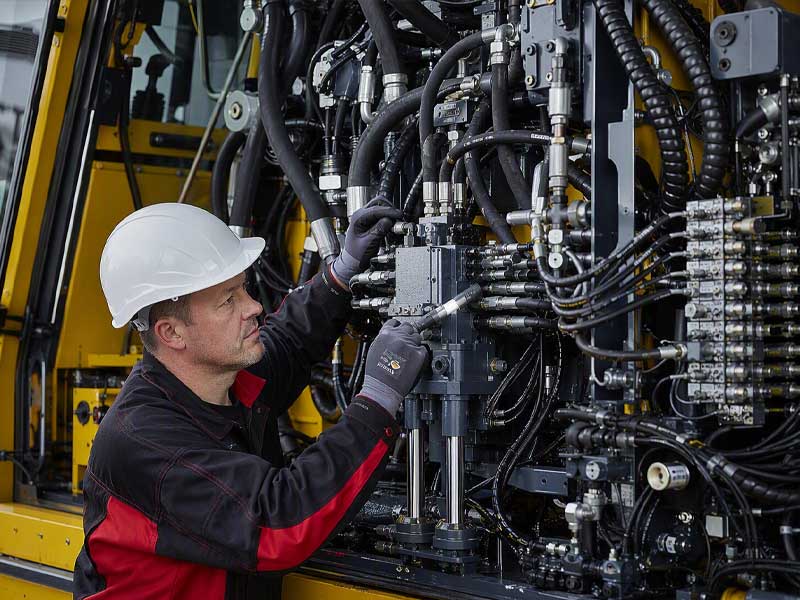
The 5 Most Effective Ways to Reduce Hydraulic System Maintenance Costs
The most effective ways to reduce hydraulic system maintenance costs are:
- Control hydraulic fluid contamination through proper filtration and handling.
- Perform regular oil analysis to monitor fluid condition and wear metals.
- Implement a preventive maintenance schedule with daily, weekly, and monthly inspections.
- Apply predictive monitoring technologies such as vibration analysis and thermal imaging.
- Select high-quality hydraulic components with verified surface finish, tolerance, and material traceability.
Replacing a reactive “fix-when-broken” approach with these proactive strategies reduces unexpected failures, extends component service life, and significantly lowers total ownership costs.
What Is Hydraulic System Troubleshooting?
Hydraulic system troubleshooting is the process of identifying and correcting hydraulic equipment problems by systematically analyzing system symptoms, pressure, flow, temperature, fluid condition, and component performance. A structured troubleshooting approach helps engineers and maintenance technicians find the root cause of failures, enabling precise repairs instead of replacing components based solely on symptoms. This reduces downtime, lowers repair costs, and prevents recurring failures.
This comprehensive guide covers the complete spectrum of hydraulic system care: from recognizing early failure symptoms, using the right diagnostic tools, and implementing a preventive maintenance checklist, to selecting quality components that reduce lifecycle costs.
1. Why Do Hydraulic Systems Fail? Understanding the Root Causes
Effective troubleshooting begins with a clear understanding of why components fail. Industry research consistently identifies contamination as one of the primary contributors to hydraulic system failures. Poor fluid cleanliness accelerates wear in pumps, valves, cylinders, and seals.
1.1 Hydraulic System Failure Causes Overview
| Failure Cause | Impact on System | Prevention Strategy |
|---|---|---|
| Fluid Contamination | Abrasive wear on pumps, valves, and cylinders; fluid degradation | Install high-efficiency filters; perform regular oil analysis; handle fluid properly |
| Overheating | Fluid oxidation, viscosity loss, seal hardening and leakage | Maintain cooling systems; check pressure drops; use correct fluid viscosity |
| Poor Lubrication (Wrong Viscosity) | Increased friction; accelerated wear of moving parts | Select viscosity grade per manufacturer and operating temperature |
| Incorrect Installation | Misaligned couplings; loose fittings; improper seal placement | Follow OEM installation procedures; torque fittings to specifications |
| Improper Maintenance | Missed inspections; delayed filter changes; unaddressed small leaks | Implement a structured maintenance schedule with checklists |
1.2 The True Cost of Reactive Maintenance
While reactive maintenance requires no upfront planning, the hidden costs are substantial:
- Unplanned production downtime can often exceed direct repair costs by several times, especially in continuous production environments.
- Premium freight for emergency parts.
- Overtime labor for emergency repairs.
- Secondary damage (e.g., a failed pump sending metal fragments through the entire system).
Key Insight: Moving from a reactive to a preventive or predictive strategy is the single most impactful decision for reducing hydraulic system lifecycle costs.
2. How to Troubleshoot Hydraulic Systems: A 6-Step Process
Effective troubleshooting follows a logical, systematic process rather than random part replacement. The goal is to identify the root cause, not just the symptom.
2.1 The 6-Step Hydraulic Troubleshooting Process
- Check Fluid Condition and Level: Verify fluid level, color, clarity, and odor. Low or degraded fluid causes many problems.
- Inspect for External Leaks: Visually inspect all hoses, fittings, seals, and cylinders for visible leakage.
- Measure System Pressure: Use a calibrated pressure gauge at test points. Compare readings against specifications.
- Test Flow Performance: A worn pump can maintain pressure but deliver reduced flow. Use a flow meter to check pump efficiency.
- Isolate the Faulty Component: Use pressure readings and flow data to isolate the problem to a specific circuit (pump, valve, or actuator).
- Identify and Correct Root Cause: Determine why the component failed (contamination, wear, misadjustment). Repair the component and address the root cause to prevent recurrence.
3. Common Hydraulic System Problems, Symptoms, and Solutions
This section provides direct, actionable answers for the most frequently encountered hydraulic system problems, starting with how to recognize failure symptoms.
3.1 Hydraulic Failure Symptoms at a Glance
| Symptom | Possible Problem |
|---|---|
| Slow actuator movement | Low flow, pump wear, internal leakage |
| High oil temperature | Contamination, excessive pressure loss, insufficient cooling |
| Noisy pump operation | Cavitation, air ingress, worn bearings |
| Pressure instability | Valve problems, internal or external leakage |
| Frequent seal failure | Poor tube surface finish, high temperature, contamination |
3.2 Common Hydraulic Failures and Solutions
| Problem | Likely Cause | Recommended Solution |
|---|---|---|
| No pressure or movement | Pump failure, low oil level, damaged relief valve, motor coupling sheared | Check pump output and pressure setting; inspect coupling; check fluid level |
| Cylinder moves slowly or erratically | Internal leakage, worn seals, low flow, air in system, wrong fluid viscosity | Test cylinder leakage; check pump flow; bleed system; verify oil viscosity grade |
| System overheating | Contamination, excessive pressure drop, insufficient cooling, wrong fluid viscosity | Check filtration; inspect cooling system; measure pressure drop across valves and filters |
| Unusual noise (whining, knocking) | Air contamination, cavitation, worn pump bearings | Inspect suction line for leaks; verify fluid level; check pump and motor mounts |
| System losing pressure over time | Internal leakage in pump, cylinder, or valve; worn or damaged seals | Perform efficiency test on pump; check cylinder seals; inspect valve spools |
4. Hydraulic Troubleshooting Tools and Testing Equipment
Having the right diagnostic equipment is essential for accurate hydraulic troubleshooting. Using the correct tools helps quickly isolate problems and avoid unnecessary component replacement.
4.1 Hydraulic Diagnostic Equipment Checklist
| Tool | Purpose | Key Feature |
|---|---|---|
| Pressure Gauge | Measure system pressure at various points | Must match system pressure range |
| Flow Meter | Evaluate pump performance and flow at rated pressure | Identifies internal wear |
| Temperature Sensor | Monitor hydraulic fluid temperature | Detects overheating conditions |
| Particle Counter | Measure fluid contamination level (ISO code) | Determines filter efficiency |
| Ultrasonic Leak Detector | Identify internal and external leakage | Locates leaks in hoses and fittings |
| Hydraulic Test Kit | Combines flow, pressure, and temperature measurement | Comprehensive diagnostic capability |
5. The Hydraulic Preventive Maintenance Checklist
A structured preventive maintenance checklist is the foundation of any reliability program. The following table outlines tasks by frequency to minimize downtime and maximize component life.
5.1 Hydraulic Maintenance Schedule by Frequency
| Frequency | Typical Maintenance Task |
|---|---|
| Daily / Before Start-up | Check fluid level; inspect for leaks; check oil temperature; listen for unusual noises; verify pressure readings. |
| Weekly | Inspect hoses and fittings for chafing/cracking; check breather cap; sample fluid for color and clarity. |
| Every 250-500 Operating Hours | Perform oil analysis (particle count, water content, viscosity); change return filters depending on contamination level. |
| Every 1,000-2,000 Operating Hours | Change hydraulic fluid based on oil analysis results; inspect pump and motor couplings; test accumulator precharge. |
| As Required | Replace worn seals; re-torque fittings; clean heat exchangers; address identified issues. |
5.2 Maintenance Frequency by Application
| Application | Recommended Monitoring |
|---|---|
| Construction Equipment | Frequent contamination checks (daily/weekly) due to harsh environments |
| Mining Hydraulics | Continuous condition monitoring with real-time sensors |
| Industrial Machinery | Scheduled oil analysis every 250-500 hours |
| Mobile Hydraulics | Regular hose and fitting inspection (weekly) |
6. Preventive vs. Predictive Maintenance: Which Is Better?
A common question is: Should I follow a fixed schedule (preventive) or monitor conditions (predictive)? The best strategy depends on the criticality of the system.
| Strategy | Definition | Best Application | Cost Impact |
|---|---|---|---|
| Reactive | Fix when broken | Non-critical systems with low downtime cost | High hidden costs |
| Preventive | Service at fixed intervals (time or hours) | Systems with predictable wear patterns | Reduces major failures |
| Predictive | Service based on measured condition (oil analysis, vibration, temperature) | Critical systems where downtime is very expensive | Optimizes maintenance spend |
| Proactive | Address root causes (e.g., contamination control, training) | All systems, especially high-value assets | Prevents failure from occurring |
Recommendation: For most industrial hydraulic systems, a combination of Preventive (for basic inspections and fluid changes) and Predictive (for condition monitoring via oil analysis) offers the best ROI.
7. Hydraulic Oil Analysis: The Most Important Predictive Tool
Hydraulic oil analysis is the single most effective predictive maintenance technique. It provides early warning of wear, contamination, and fluid degradation.
7.1 Understanding ISO 4406 Cleanliness Codes
ISO 4406 cleanliness codes indicate the number of contamination particles in hydraulic fluid. The code consists of three numbers (e.g., 16/14/11), representing particle counts at 4μm, 6μm, and 14μm sizes. Lower ISO codes represent cleaner fluid and generally provide longer component life. Most industrial systems should target ISO 16/14/11 or better.
7.2 What to Monitor in Oil Analysis
- Particle Count (ISO Cleanliness Code): Tells you if your filtration is adequate.
- Water Content: Water degrades fluid and additives and causes corrosion. Target < 0.1% (1000 ppm).
- Viscosity: Changes indicate oil degradation or mixing with other fluids.
- Wear Debris: Identifies which component is wearing (e.g., iron from pumps, copper from heat exchangers).
- Additive Depletion: Determines if the fluid’s protective properties are still functional.
7.3 Benefits of Condition-Based Maintenance
- Reduce material and maintenance costs through informed decision-making.
- Eliminate unnecessary fluid changes by extending drain intervals based on real data.
- Predict failures in advance, allowing planned maintenance rather than emergency shutdowns.
8. How Hydraulic Component Quality Affects Maintenance Cost
The quality of hydraulic components directly impacts the Total Cost of Ownership (TCO). While budget components have a lower initial price, they often lead to significantly higher costs over the system’s life.
8.1 Why Honed Hydraulic Tubes Improve Cylinder Reliability
The hydraulic cylinder tube is a critical component often overlooked. Honed tubes with precise surface finish and dimensional accuracy directly affect seal life and system efficiency.
Based on lifecycle cost comparisons between low-cost and high-quality hydraulic components:
| Cost Component | Budget Tubes | Quality Tubes (Honed) |
|---|---|---|
| Initial Purchase (20 cylinders, 10-year horizon) | $3,000 | $4,500 |
| Seal Replacements | $8,000 (3x normal frequency) | $3,000 (Normal frequency) |
| Downtime Costs | $15,000 (2x normal frequency) | $6,000 (Normal frequency) |
| Energy Loss from Surface Friction | $4,000 | $2,000 |
| Unplanned Failures | $12,000 | $3,000 |
| Total 10-Year TCO | $42,000 | $18,500 |
Quality honed tubes cost more upfront but significantly reduce lifecycle costs over the product’s lifespan.
8.2 Specification Requirements for Quality Hydraulic Tubes
- Surface Finish (Ra value): 0.4 – 0.8 μm for optimal seal life.
- ID Tolerance: ±0.05mm maximum.
- Material Traceability: Certificates confirming material composition and hardness.
- Pressure Test: 100% pressure-tested prior to shipment.
8.3 Hydraulic Hose and Fitting Reliability
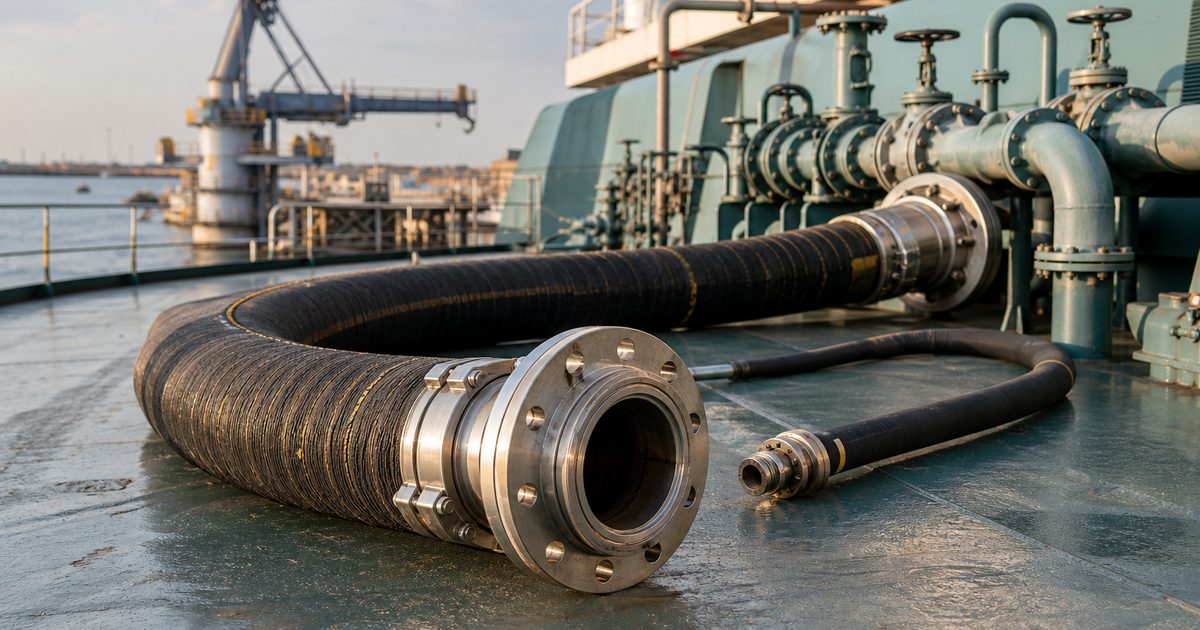
Hoses and fittings are common failure points. Quality hoses with proper reinforcement and fitting crimping reduce leak risks and unplanned downtime. Using hoses that meet SAE or EN standards ensures reliable performance under operating pressures.
8.4 Seal and Cylinder Performance
Cylinder seals are directly affected by tube surface finish and fluid cleanliness. High-quality seals and properly finished cylinder tubes extend seal life and maintain consistent performance.
9. Predictive Maintenance Technologies for Hydraulic Systems
Modern predictive maintenance leverages sensors and data to predict component failure before it occurs. This is the next frontier for reducing hydraulic system problems and solutions costs.
9.1 Key Technologies
- Vibration Analysis: Monitors pump and motor health. An increase in vibration amplitude often indicates bearing wear or misalignment.
- Inline Fluid Sensors: Continuously monitor particle counts, water saturation, and viscosity in real-time, providing instant alerts.
- Thermography (Infrared): Identifies hot spots in valves, pumps, and electrical panels, indicating friction or resistance.
- Digital Pressure Transducers: Log pressure data over time to detect subtle performance degradation.
9.2 Implementation Considerations
Retrofitting sensors is often cost-effective. Many sensors are available with simple inline connections for existing hydraulic systems. The data is typically integrated with a maintenance management system for automated work order generation.
10. Hydraulic Component Selection Checklist
Choosing the right components is essential for reducing downtime and maintenance costs. Before purchasing hydraulic components, use this checklist:
- ✓ Material Certification: Confirms composition and hardness meet specifications.
- ✓ Surface Finish (Ra Value): Ensure 0.4–0.8 μm for cylinder tubes.
- ✓ Dimensional Tolerance: Verify ID and OD tolerances (±0.05mm for quality tubes).
- ✓ Pressure Testing: Confirm 100% pressure-tested components.
- ✓ Traceability Documentation: Full material and production traceability.
- ✓ Supplier Engineering Support: Access to technical expertise for troubleshooting and optimization.
11. Frequently Asked Questions (FAQ) About Hydraulic Systems
Q: What are the most common hydraulic system failures?
The most common failures include fluid contamination, pump wear, seal leakage, valve spool sticking, and overheating due to insufficient cooling or wrong fluid viscosity.
Q: How do you troubleshoot a hydraulic system?
Follow a systematic 6-step process: check fluid condition and level, inspect for external leaks, measure pressure, test flow performance, isolate the faulty component, and correct the root cause.
Q: Why does a hydraulic system lose pressure?
Pressure loss is typically caused by internal leakage past pump clearances, cylinder piston seals, or valve spools. External leaks also cause pressure loss.
Q: How often should hydraulic systems be maintained?
Basic checks are daily. Oil analysis should be performed every 250-500 hours depending on application severity. Fluid changes are typically every 1,000-2,000 hours, but this should be determined by oil analysis results.
Q: What causes hydraulic oil contamination?
Contamination enters through breather caps, worn seals, during fluid top-up, or from internal wear. Water ingress is also a common form of contamination.
Q: What are the signs of hydraulic pump failure?
Signs include excessive noise (whining), reduced flow, unstable pressure, overheating, and slow actuator movement. Regular flow testing can confirm pump efficiency.
Q: What causes hydraulic oil to turn black?
Hydraulic oil typically turns black due to high-temperature oxidation, thermal degradation, or excessive particulate contamination from component wear.
Q: What is the ISO 4406 cleanliness code?
ISO 4406 is an international standard that measures the number of contamination particles in hydraulic fluid. A code of 16/14/11 or better is recommended for most industrial systems.
Q: What is the difference between preventive and predictive maintenance?
Preventive maintenance is time-based (e.g., change oil every 1,000 hours). Predictive maintenance is condition-based (e.g., change oil based on particle count results). Predictive is more efficient for critical systems.
Q: How do you prevent hydraulic system failure?
Implement a proactive maintenance program. Keep spare parts for critical components. Train maintenance staff. Use condition monitoring to anticipate failures before they occur.
Q: How long does a hydraulic system typically last?
With proper maintenance and clean fluid, hydraulic components can last 10,000-20,000 hours or more. Pump life is often the limiting factor.
Q: What maintenance prevents hydraulic downtime?
Regular fluid analysis, scheduled filter changes, proper fluid level checks, and visual inspections for leaks and wear are the most effective practices.
Q: What is a pressure impulse test?
A pressure impulse test is a component validation process. It cycles the component to its rated pressure repeatedly to validate its structural integrity and service life.
12. About HengHua: Engineering Reliability into Every Hydraulic Component
HengHua is a precision engineering manufacturer specializing in high-performance hydraulic components, including hydraulic cylinder assemblies, honed cylinder tubes, tube fittings, and complete hydraulic systems.
Our integrated manufacturing capabilities encompass material preparation, precision machining, honing, welding, assembly, and 100% performance testing.
Why Hydraulic Component Quality Matters in Lifecycle Cost
When hydraulic systems operate under high pressure and extreme conditions, component quality directly affects maintenance frequency, downtime risk, and operating efficiency. HengHua’s manufacturing standards are designed to minimize these lifecycle costs.
Our Testing Capability
Our state-of-the-art impulse test facility validates our components against high durability requirements. Our test stand can achieve 100,000+ pressure cycles at rated working pressure with continuous, automated data recording.
This testing ensures our components meet internationally recognized hydraulic performance requirements. Every hydraulic tube we supply is 100% pressure tested with complete material traceability.
Manufacturing Standards
- ISO 4397 Dimensional Standards: Compliance with international specifications.
- Ra 0.4 – 0.8 μm Surface Finish: Optimized for extended seal life and reduced friction.
- ±0.05mm ID Tolerance: Ensures consistent piston seal performance and energy efficiency.
- Full Material Certification & Traceability.
Our Engineering Commitment
- Expertise: Technical support for system design, troubleshooting, and optimization.
- Quality Assurance: Comprehensive testing and inspection at every manufacturing stage.
- Reliability: Components designed for long service life with minimal maintenance.
Contact our technical team to discuss your hydraulic system requirements and learn how HengHua’s engineered components can help you reduce total ownership costs while improving operational reliability.

 English
  Spanish
  Portuguese
  French
  German