
A hose master is a braided stainless assembly sold under a trade name; it and a composite hose solve different problems. The choice is usually decided by three numbers: temperature, pressure and permeation. Where those sit inside the composite band, a flexible thermoplastic wall is lighter and cheaper. Where they sit outside it, a corrugated or braided metal hose is the only construction that survives.
This metal hose vs composite comparison sets out where each belongs, and it is written for buyers who have been offered both and need a reason to choose.
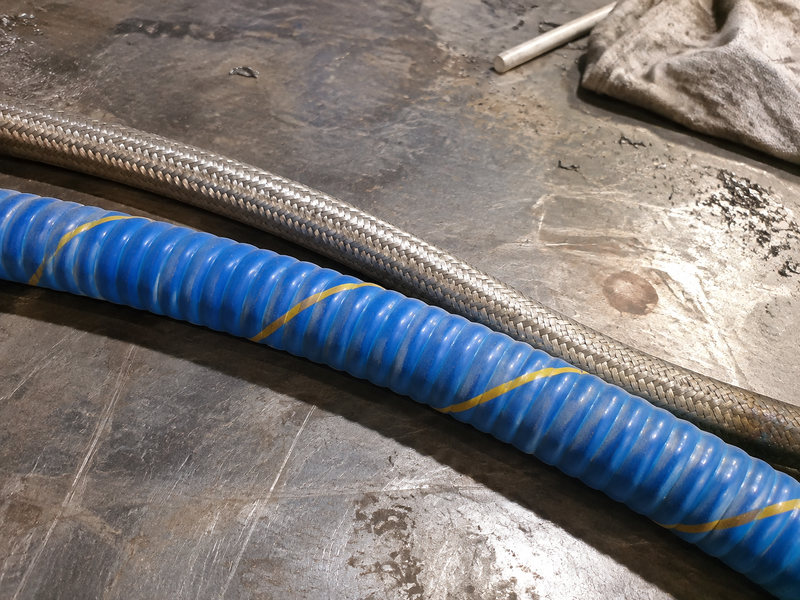
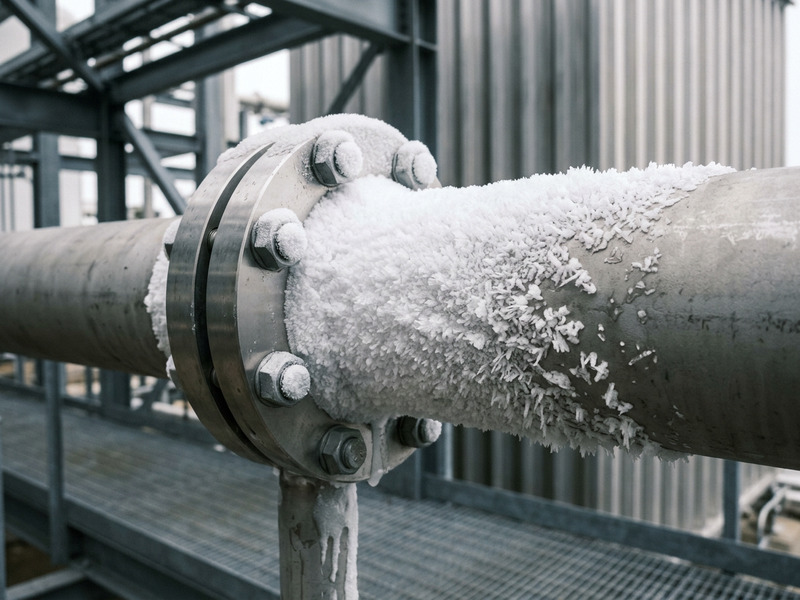
Figure 1. Two constructions, two philosophies. One contains the product in metal; the other contains it in a bonded film and carries the load in wire.
What Does a Metal Hose Do Better?
Four things, and each is a hard limit rather than a preference. In any comparison of the two they are the four that end it.
Temperature. A stainless assembly operates far above any thermoplastic wall, which is why steam, exhaust and hot process lines use metal.
Permeation. Metal is a barrier, so there is no vapour transmission through the wall. Where a product must not escape at all, that is decisive.
Pressure and vacuum. A braided metal hose carries high pressure in small bores, and a corrugated one tolerates vacuum without a separate support structure.
And mechanical protection. Metal resists abrasion, cutting and fire in a way a coated fabric cover does not.
Where Does a Composite Hose Win?
Against a hose master, three places decide the argument, and each is a number rather than a preference: weight at large bore, chemical breadth, and cost per metre as the diameter grows.
Weight and handling. At 4 inch and above, a composite hose is dramatically lighter, and that changes how often a line is moved and how carefully it is treated.
Chemical breadth. A PTFE-lined composite hose handles acids, solvents and oxidisers that would attack a stainless wall, which is a chemistry argument rather than a mechanical one.
And cost at large bore. A composite assembly at 6 inch is usually cheaper than a metal one, and it does not need the same support structure.
How Do They Compare?
| Attribute | Metal hose | Composite hose |
|---|---|---|
| Temperature | Very high | Moderate, by type |
| Pressure at small bore | Very high | معتدل |
| Permeation | Zero through the wall | Low to moderate |
| الوزن | مرتفع | Low |
| المرونة | Moderate, geometry limited | مرتفع |
| Chemical range | Alloy limited | Wide with PTFE |
| Abrasion and fire | Good | Cover dependent |
| Failure mode | Fatigue crack | Leak or bond |
| Cost at large bore | مرتفع | Lower |
| Exception | A hot duty under chemical attack defeats it | Zero permeation at any bore defeats it |
Table 1. Metal hose vs composite on the properties that decide most projects. The temperature and permeation rows decide most of the rest.
The table explains a pattern in procurement. Metal hose is chosen when the duty is hot, when nothing may escape, or when the bore is small and the pressure high. Composite hose is chosen when the duty is chemical, the bore is large, or the hose is handled.
Where Does Fatigue Decide?
Metal hose fails by fatigue, and fatigue is a function of geometry and cycle count.
A corrugated assembly flexes at the corrugation crests, and each cycle consumes part of the life. A hose installed in a tight bend or vibrating against a support will fail at that point, usually as a crack that grows into a leak.
A braided assembly has the same fatigue issue, with the braid adding a second failure path: wire-on-wire abrasion that eventually breaks strands.
That is why metal assemblies come with installation rules about bend radius, support spacing and vibration isolation. Ignoring them is the most common cause of premature failure, and the failure is usually blamed on the hose.
What About Permeation and Odour?
If a product must not escape, metal is the answer and composite is a compromise.
A composite wall passes some vapour, and the amount depends on liner, temperature and thickness. For most industrial duty that is acceptable; for a toxic, odour-critical or high-value product it may not be.
The practical question is what happens to the vapour. In a ventilated area it disperses; in an enclosure it accumulates. Where it accumulates, metal removes the question.

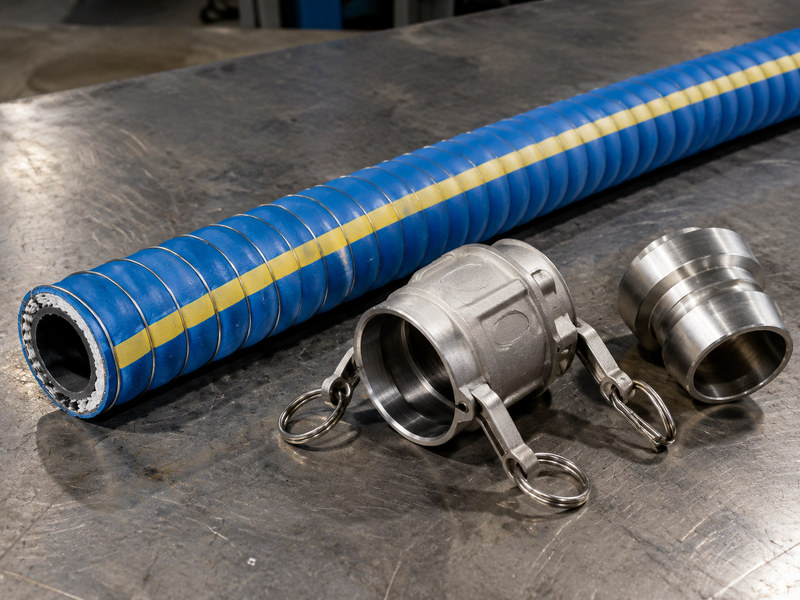
Figure 2. Braid under an opened jacket. The two constructions overlap in the middle of their duty ranges and diverge at both extremes, which is where the selection argument happens.
Which Standards Apply?
A corrugated metal hose follows its own standard for assemblies, which covers design, testing and marking. Composite hose follows the composite standard, which classifies by type.
Where a duty is regulated, a third document may apply, and it usually names one construction rather than allowing either. That is the fastest way to settle a selection argument.
| Duty | Better construction | Why |
|---|---|---|
| Saturated steam | Metal | Temperature |
| Hot oil above 150 °C | Metal | Temperature |
| Small bore, high pressure | Metal | Braid strength |
| Toxic or odour-critical | Metal | Zero permeation |
| Strong acid transfer | Composite with PTFE | Alloy attack |
| Large bore dock duty | Composite | Weight and cost |
| Food transfer, moderate | Composite | Cleanability and approval |
| Abrasive slurry | Metal or rubber | Wear |
| Exception: hot and chemically aggressive | Neither without an alloy upgrade | The temperature and the chemistry pull apart |
Table 2. Duty by construction. The list reads like a rule of thumb, and that is how it is used.
How Do You Choose?
Four questions, in order.
What is the temperature at the hose, including cleaning and upset? Above the composite band, the answer is metal.
Is zero permeation a requirement or a preference? A requirement points to metal.
What is the bore and pressure? Small bore at high pressure favours metal; large bore at moderate pressure favours composite.
And how is the hose handled? A line that two people move every shift is a line that benefits from the lighter construction.
What Should You Ask a Supplier?
Three things.
The standard the assembly is built and tested to, with the edition. The cycle life or installation limits that apply to the geometry, because fatigue is the failure mode. And the documentation that will arrive, because both constructions need traceability.
A vendor who answers all three is describing an engineered product. One who quotes a temperature and a bore is describing a catalogue entry.
How Do You Handle a Switch Between Constructions?
Carefully, because the interfaces change.
A metal assembly is usually flanged or welded, with a rigid end that transfers load into the pipework. A composite assembly uses a shank and ferrule, and its flexibility at the end changes the load path.
Switching construction therefore changes the support, the bend radius and sometimes the connection. A project that swaps one for the other without revisiting those three usually reinstates the problem it was trying to solve.
What Does Installation Cost Look Like?
The purchase price is the visible part, and the installation is where the difference compounds.
A metal assembly is rigid, so it needs supports and a route that accommodates its stiffness. It also transfers vibration into the pipework unless it is isolated, which adds components and engineering.
A composite assembly is light and flexible, so it needs fewer supports and can follow a tighter route. That saves steel and labour, and it is often the reason a composite project comes in under budget even when the hose costs more per metre.
The comparison only works when both are priced installed. A metal hose quoted at the flange and a composite hose quoted at the flange are two different scopes, and the difference usually appears in the support drawing.
Why Does the Brand Question Come Up?
Because a buyer who has used one maker’s metal assemblies for years wants the same again, and the part number is the shortest way to describe it.
That is reasonable, and it is not a specification. A metal hose vs composite decision made from a part number produces a like-for-like replacement, which is correct when the duty has not changed and wrong when it has.
The useful exercise is to write the duty: temperature, pressure, medium, bore, handling and permeation requirement. That list will point to a construction, and the construction narrows the suppliers.
For a corrugated metal hose enquiry the same five values apply, and the standards map shows which document governs each construction. The cross-reference method works across constructions as well as brands.
Where Does a Metal Hose Get Specified by Accident?
Three places.
A high-temperature duty where nobody checked the composite band, so metal becomes the default by omission. A small bore, high pressure duty where the composite build would need a heavier wall and the metal is simpler.
And a permeation-sensitive product where the specification says odour-free without saying which construction achieves it.
In each case the outcome is a metal hose, and the cost is higher than it needed to be or the schedule is longer. The fix is to state the duty rather than the product, which is the same discipline that composite hose specifications are written with.
How Do You Document the Choice?
One page, five values and a verdict.
Temperature, pressure, medium, bore and permeation requirement, with the construction chosen and the reason. Attach the datasheet for the chosen product and the standard it is built to.
That page is what protects the buyer if the duty changes later. It shows what was known at the time, which is the only fair basis for judging the decision.
For a braided assembly, add the vibration and cycle information. For a composite, add the liner and cleaning envelope. Each construction has its own two fields that matter beyond the shared five.
What Should a First Enquiry Say?
Five lines, and they work for either construction.
Temperature at the hose, including cleaning and any upset. Pressure at that temperature. Medium and concentration. Bore and length. And the permeation requirement, stated as a limit rather than a preference.
A hose master assembly enquiry that begins with those five receives a considered answer. One that begins with a part number receives a price for the nearest equivalent, which may be the wrong construction entirely.
Add the handling and the standard the plant operates under, and the enquiry is complete. The standards map shows which document applies to each construction, and the temperature limits show where the composite band ends.
How Do You Avoid Regret?
Write the duty down before the first call, and keep the page.
Most construction regret comes from a duty that was never written. A hose master assembly bought because the previous one worked is a decision inherited rather than made, and it survives only as long as the duty does not change.
A composite hose bought for a duty that turns out to be hot is the mirror image, and the result is the same: a replacement inside a year and a conversation about who chose it.
One line on the page prevents both: the temperature and the permeation requirement. Those two decide the construction more often than price, bore or brand. Write them on one line of the enquiry sheet, and the construction answers itself before a supplier is contacted.
Frequently Asked Questions
Is a hose master assembly better than a composite hose?
A hose master assembly is better above the composite temperature band, where zero permeation is required, or where small bore pressure is extreme. A corrugated metal hose shares those advantages with a different fatigue profile. It is worse on weight, chemical breadth at large bore and cost.
Can a composite hose replace a metal hose?
Sometimes, where the temperature and permeation requirements allow it and the chemistry favours a fluoropolymer liner. It is not a general substitution.
Why does metal hose fail?
Usually fatigue at a corrugation crest or a braid abrasion point, often from installation geometry rather than from the product.
Does a braided metal hose handle higher pressure than a corrugated one?
Generally yes, because the braid carries the pressure load. The corrugation provides flexibility, not strength.
Which is better for steam?
Metal, at the temperatures and pressures where steam is used. A PTFE composite build covers lower-temperature steam duty.
Are metal hoses suitable for chemicals?
For many, within the alloy’s resistance. Strong acids and chlorides attack stainless, which is where a PTFE-lined composite wins.
What documentation should come with either?
A datasheet, a test record and marking that ties the assembly to both, plus the standard and edition it was built to.
About HENGHUA
Composite hose is HENGHUA’s line, and we will say when a metal construction is the better answer rather than quoting a composite build into a duty it cannot hold. We do not manufacture metal hose.
Send the temperature, pressure, medium and handling, and we will tell you which construction the duty belongs to, including when it is not ours.

 English
 Spanish
 Portuguese
 French
 German
 Arabic
 Russian
 Indonesian
 Japanese
 Korean