
A composite hose warranty covers manufacturing defects, and the order checklist is what makes the duty provable. It does not cover a hose that was correctly made and then run outside its duty, and the difference between those two is decided by evidence rather than by argument.
This guide sets out what a composite hose warranty should say, how a failure investigation is run, and what a buyer should record so that a legitimate claim can be settled quickly.

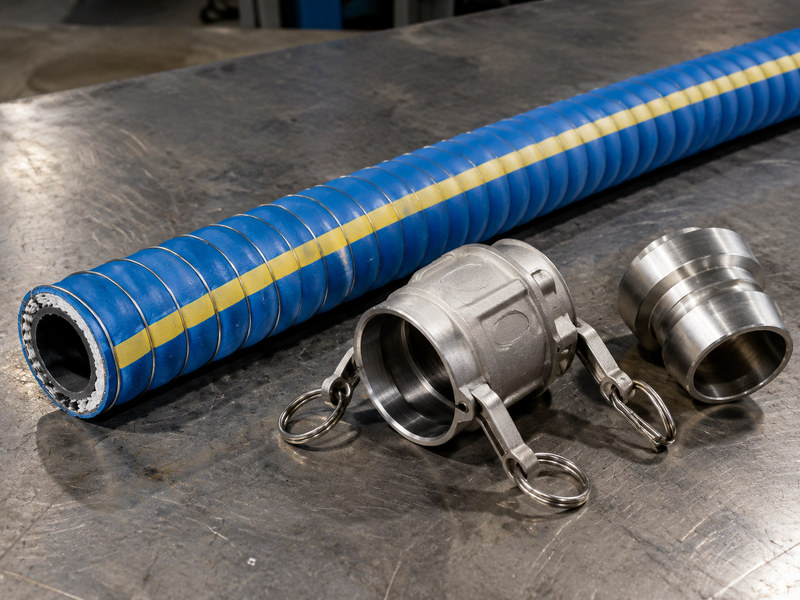
Figure 1. A sectioned hose on a bench. The cut tells the story: where it failed, and whether the failure started inside or outside the wall.
What Should a Warranty Cover?
Three things, and stating them clearly prevents most disputes.
Manufacturing defects in the wall, the bond and the attachment, discovered within the stated period. The leak-before-burst guide explains why some failures arrive as a leak rather than a rupture. Material non-conformity against the agreed specification. And workmanship in marking, assembly and testing.
What it should not cover is wear, and it should say so. A hose on abrasive duty, a hose run above its pressure or temperature, a hose damaged in handling and a hose used outside its chemical limits are not defects.
A composite hose warranty that blurs the line between defect and wear ends up covering neither. The distinction is not a way of avoiding claims. It is what allows a supplier to warrant the product honestly, because a warranty that covers everything cannot be priced.
What Are the Common Exclusions?
Five, and they appear in almost every real case.
Chemical attack outside the compatibility data, often after a product change nobody recorded. Over-pressure, including pressure spikes from a fast valve closure. Over-temperature, often during cleaning rather than during transfer.
Mechanical damage: a crushed coil, a dragged hose, a fitting stood on. And incorrect installation, including a bend tighter than the radius or a clamp tightened onto the wall.
A hose warranty terms document that lists those five is more useful than one that says the product is guaranteed, and it is the version a plant can act on, because it tells the buyer what to protect.
How Is a Claim Started?
Four steps, and speed matters less than evidence.
Notify in writing with the assembly number, the delivery date and the duty. Stop using the hose and keep it as it is, including the failed section. Photograph the failure in place before removal. And send the service record: product, temperature, pressure and cleaning.
A hose claim that arrives with those four is investigated rather than negotiated, and the datasheet supplies the specification side. One that arrives with a photograph and a complaint is negotiated.
Where the failure is a leak in service, isolate the line first. A claim can wait; a spill cannot.
How Is a Failure Investigated?
Five stages, and each produces a record that the next stage depends on.
The first stage is documentary: order, datasheet, marking and service history. A composite hose warranty claim is decided here, at the documents, rather than at the section, because the duty is either inside or outside what was specified.
The second is visual: the failure location, the cover condition, the fitting and the bend radius at the point of failure. The third is dimensional: bore, wall thickness and ferrule compression, compared with the build record.
The fourth is destructive: a section through the failure, examined for film breach, bond separation, wire corrosion or liner swelling. And the fifth is conclusion: a root cause, the layer or duty that started the failure rather than where it showed, with the evidence behind it and a recommendation for the rest of the fleet.

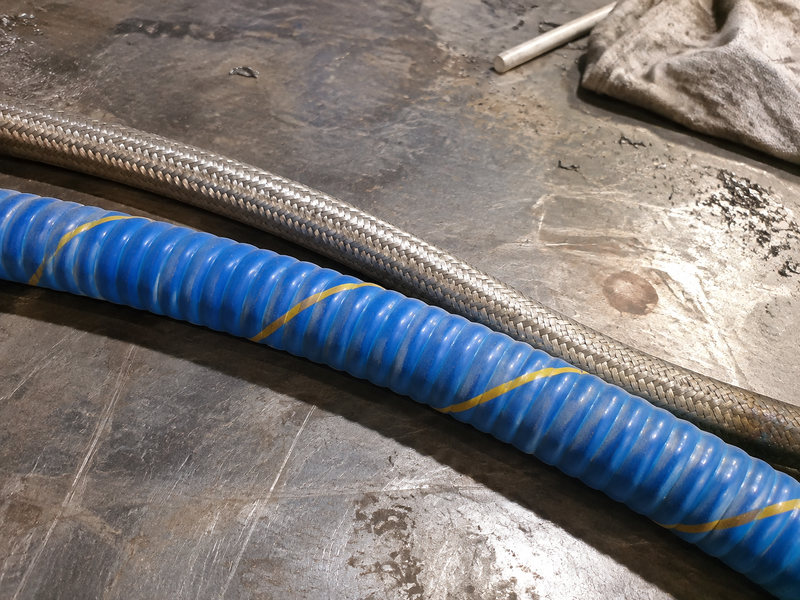
Figure 2. Wire corrosion at a cut end. The section is the only evidence that separates a defect from wear, and it is where a claim is actually decided.
| Evidence | Where it comes from | What it proves |
|---|---|---|
| Order and datasheet | Purchase file | What was specified |
| 표기 | The hose | Which build was supplied |
| Service record | Plant | How it was used |
| Photographs | Site | Where it failed |
| Section | Laboratory | Why it failed |
| Exception | A hose whose marking is gone | No build record to match, so the order file carries the claim |
Table 1. Evidence in a failure investigation. The last row is the only one that can distinguish a defect from wear with certainty.
What Do the Findings Usually Show?
A hose failure investigation usually lands in one of four categories, in rough order of frequency.
Duty mismatch: the hose was right for the specification and the specification was wrong for the product. That is a purchasing finding rather than a manufacturing one.
Installation: a bend at the fitting, a clamp on the wall, a hose lifted by its coupling. Wear: abrasion, permeation, or a liner at the end of its life after a long and reasonable service.
And genuinely, manufacturing: a bond that failed early, a ferrule that was not compressed, a marking that does not match the record.
The last is the smallest category, and it is the one a warranty exists for. That proportion surprises buyers, who tend to assume a failure is a defect, and it is why the documentary stage comes first: it is cheaper than a section and it answers the question most of the time.
| Finding | What the section shows | Who it implicates |
|---|---|---|
| Duty mismatch | A correct build against a wrong specification | The purchaser, not the maker |
| Installation | A bend, a clamp mark or a lift point at the fitting | The site |
| Wear | Abrasion, permeation or an aged liner | Nobody, while retirement follows inspection |
| Manufacturing | Early bond failure or an uncompressed ferrule | The maker |
| Exception | A section showing two findings at once | Duty mismatch plus wear: the earlier one governs |
Table 2. The four findings a claim usually resolves to, in rough order of frequency. Only the last row is a manufacturing defect.
What Should the Buyer Record?
Five fields, and they take a minute per hose.
The assembly number and the delivery date. The product and its concentration. The temperature range, including cleaning. The pressure at the duty point. And the inspection findings with dates.
With those five, a failure can be classified in an afternoon rather than reconstructed over a month. Without them, the investigation becomes a reconstruction, and reconstructions favour the party with the better memory.
A composite hose warranty claim is only as strong as the order file behind it, which is why the checklist and the warranty belong in the same procedure.
How Long Should an Investigation Take?
Two weeks is a reasonable expectation for a documented claim. One week covers the documents and the visual stage; the second covers the section and the conclusion.
Where the hose must be shipped back for sectioning, add freight time in both directions and the customs handling that goes with it. Where the failure is on a critical line, agree an interim replacement so production is not held hostage to the investigation.
The timeline should be in the hose warranty terms, with the interim replacement allowed for. A warranty that promises replacement without a process leaves both parties guessing.
What Should a Warranty Not Promise?
Replacement without investigation, because that invites claims that are really duty errors.
Consequential damages, which belong to an insurance conversation rather than a product one. And a fixed life, because life depends on duty, cleaning and handling.
A supplier who promises a fixed life is either guessing or planning to argue later. A supplier who states retirement criteria is giving the buyer a tool that outlives the argument, which is the better commercial position for both.
How Do You Avoid a Claim Altogether?
Most claims are prevented before the order rather than after the failure.
Three habits do most of the work. Write the duty, not the product name, so the specification can be checked against the build. Record the service conditions, so wear is expected rather than disputed. And retire on inspection triggers, so a hose leaves service before it fails.
A hose warranty terms document that names the retirement criteria is doing the buyer a favour. It converts a future argument into a maintenance instruction, and it removes the case where a hose failed at three years and nobody can say whether that was reasonable.
Where a plant changes product, revisit the hoses on that line. A product change is the most common origin of a chemical failure, and it is the one a warranty will not cover because the specification no longer matched the duty.
What Does a Failure Investigation Report Contain?
A hose failure investigation report has six items, and a report without them is an opinion rather than a finding. The distinction matters when a claim is contested, because the section is what makes the conclusion defensible.
The assembly identification and the duty as specified. The duty as operated, from the service record. The visual findings with photographs and a location description. The dimensional results against the build record. The section findings, described by layer. And the conclusion with the evidence that supports it.
A hose failure investigation that stops at the conclusion without the section is a commercial document rather than a technical one. Buyers should ask for the layer description, because that is where a defect and a wear pattern look different.
Where the finding is duty mismatch, the report should say what duty would have been correct. That turns a rejection into a specification for the replacement, which is the useful outcome for both parties. A buyer who receives that line can fix the line; one who receives a denial cannot.
How Do You Handle a Repeat Failure?
A repeat hose claim of the same type on the same duty is a different problem from the first, and the hose warranty terms rarely cover it as a defect.
The first is an event, and it can be settled on its own. The second is a pattern, and patterns come from the duty, the installation or the batch.
Check the batch first, because a batch problem is the supplier’s to resolve and is usually quick to confirm from the marking. If the failures span batches, look at the installation: the same bend, the same clamp, the same handling habit.
If both are excluded, look at the duty. A product change, a higher cleaning temperature or a faster transfer can move a hose outside its band without anyone noticing.
A hose claim that repeats is worth investigating as a system problem, with the inspection programme as the starting point rather than the filter. Put the five record fields into the plant service log before the first failure, not after it.
자주 묻는 질문
What does a composite hose warranty usually cover?
Manufacturing defects in the wall, bond, attachment, marking and assembly, within a stated period and against the agreed specification.
Does it cover a hose that failed after two years?
It may, if the failure is a defect rather than wear. The investigation decides, and the service record is what makes the decision possible.
What voids a warranty?
Use outside the specified chemistry, pressure or temperature, mechanical damage, incorrect installation, and unauthorised repair.
How do I start a claim?
Notify in writing with the assembly number and duty, keep the failed hose, photograph it in place, and send the service record.
Who pays for a failure investigation?
Terms vary. Many suppliers investigate at their own cost when the hose is returned, and charge when the finding is duty mismatch.
What if the hose is on a critical line?
Put another assembly in service in the meantime. A production line should not wait for a sectioning report.
Can a repair be warranted?
Only where the manufacturer performed it and documented it. A field repair by a third party is outside any product warranty.
About HENGHUA
The warranty covers manufacturing defect, and every claim is investigated against the order file, the service record and a section of the failed hose. We will tell you when the finding is a duty error rather than a defect, because that is the answer that prevents the next failure.
Send the assembly number and the duty, and we will set out what the investigation needs before anything is shipped.


 English
 Spanish
 Portuguese
 French
 German
 Arabic
 Russian
 Indonesian
 Japanese
 Korean