
The right chemical hose for acids and alkalis is decided by the medium first, then by concentration and temperature, then by the liner and coupling that can live with that combination.
Mineral acids, organic acids, and caustic service each attack materials differently. PTFE (polytetrafluoroethylene) covers strong and oxidizing acids and alkalis; an XLPE (cross-linked polyethylene), UHMWPE (ultra-high-molecular-weight polyethylene), or EPDM (ethylene propylene diene monomer) liner often fits dilute or moderate duty. Aluminum wetted parts are the common exclusion on both the acid and the alkali side.
This selection matrix turns the medium into a material decision. It works through sulfuric, hydrochloric, nitric, and phosphoric acids, through the organic acids, and through alkalis such as sodium hydroxide and potassium hydroxide. The material sections state boundaries: what a material handles, and what it does not.
About a 15-minute read at 250 words per minute; includes seven tables, four figures, and a pre-commit verification procedure.
Chemical Hose for Acids and Alkalis: Start With the Medium
A chemical hose for acids and alkalis is only as good as the match between its wetted materials and the fluid inside it. The medium sets the first constraint, because sulfuric acid, hydrochloric acid, nitric acid, and sodium hydroxide do not attack a liner the same way. One liner may cover a whole family of dilute media and still be wrong for one concentrated member of that family.
Read the service as a combination rather than a single chemical. Concentration, temperature, and exposure time shift the point where a medium crosses a material boundary. The liner, the coupling, and the gasket all sit in the same fluid, so they should be chosen as a set. An alkali transfer line that looks correct on paper can still fail at the coupling if the body metal is amphoteric.
The recommendations below are framed as boundaries: what each material serves, and the common exclusion that rules it out.
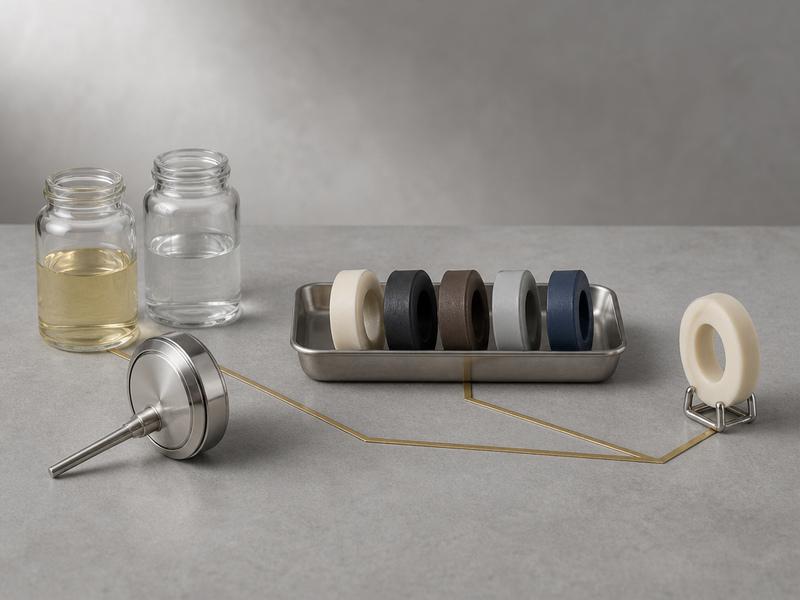
Figure 1. Medium, concentration, and temperature combine before a liner is selected.
The matrix below is the centerpiece of this guide. It pairs a medium with a liner shortlist and the exclusion that most often catches buyers out.
Table 1. Acid and alkali selection matrix: medium, liner guidance, and common exclusions.
| Medium | Typical service | Liner that fits | Common exclusion | Coupling note |
|---|---|---|---|---|
| Sulfuric acid, mineral | Bulk transfer, tanker unloading, dosing | XLPE or UHMWPE when dilute, PTFE when concentrated | Aluminum wetted parts, and polyolefins at high concentration | PP or SS316, selected by concentration |
| Hydrochloric acid, mineral | Pickling, acid dosing, regeneration | PTFE, UHMWPE | SS316 in chlorides, and aluminum | PP or PVDF body with a PTFE gasket |
| Nitric acid, oxidizing mineral | Metal treatment, etching, passivation | PTFE | UHMWPE and other polyolefins, which are not suited to strong oxidizing acids | SS316 body; confirm the gasket grade |
| Phosphoric acid, mineral | Fertilizer, food-grade dosing | PTFE, UHMWPE, EPDM | Aluminum, and non-food grades where contact is regulated | PP or SS316 |
| Organic acids | Food, cleaning, process dosing | PTFE, UHMWPE, EPDM | FKM with low-molecular-weight organic acids at temperature | SS316 or PP |
| Sodium hydroxide, alkali | Caustic cleaning, CIP, pH control | PTFE, XLPE, EPDM | Aluminum, which is amphoteric | PP or SS316 |
| Potassium hydroxide, alkali | Caustic potash transfer and dilution | PTFE, XLPE, EPDM | Aluminum | PP or SS316 |
Mineral Acids: Sulfuric, Hydrochloric, Nitric, and Phosphoric
Mineral acids are the hardest test of an acid resistant hose. They differ in oxidizing power, in how they behave when diluted, and in what they do to metal wetted parts. Sulfuric and phosphoric acids are widely moved in bulk, while hydrochloric and nitric acids tend to appear in pickling, dosing, and treatment lines.
Sulfuric acid. Dilute sulfuric service is often handled by a polyolefin liner such as XLPE or UHMWPE. Concentrated sulfuric acid is a different problem, and polyolefins are not the default answer there. Aluminum wetted parts are a poor match because aluminum is amphoteric and reacts across a wide concentration range.
Hydrochloric acid. Hydrochloric acid brings chloride ions, and chloride is the reason stainless steel 316 is treated with caution. SS316 is prone to pitting and stress corrosion cracking in chloride service, so a PP or PVDF body with a PTFE gasket is common. Both PTFE and UHMWPE can sit inside a hydrochloric acid resistant hose envelope with confidence.
Nitric acid. Nitric acid is a strong oxidizer, and that single property removes most polyolefin liners. UHMWPE and similar materials are not suited to strong oxidizing acids. PTFE is the usual wetted-material answer for nitric acid, and the coupling body needs the same scrutiny as the liner.
Phosphoric acid. Phosphoric acid is a moderate mineral acid and appears in fertilizer and food-grade dosing. PTFE, UHMWPE, and EPDM liners can all appear in this service at moderate concentration. Food-contact grades are governed by FDA 21 CFR 177.1520 for polyolefins and by EU 10/2011 for plastic food-contact materials.
Table 2. Mineral acid boundaries: what each liner handles and where it stops.
| Acid service | Liner that handles it | Where the boundary sits |
|---|---|---|
| Dilute sulfuric acid | XLPE, UHMWPE, PTFE | Concentrated sulfuric acid is not a polyolefin default |
| Concentrated sulfuric acid | PTFE | Polyolefin liners and aluminum parts are excluded |
| Hydrochloric acid | PTFE, UHMWPE | SS316 wetted parts are treated with caution in chlorides |
| Nitric acid | PTFE | Strong oxidizing acid, so polyolefin liners are excluded |
| Phosphoric acid | PTFE, UHMWPE, EPDM | Aluminum excluded; food duty needs a food-contact grade |
Organic Acids and the Chemical Hose for Acids Boundary
Organic acids such as acetic, citric, formic, and lactic acid are weaker than mineral acids but often more concentrated in food, cleaning, and process service. Their effect on a liner depends on the acid, on concentration, and on temperature, not on the word acid alone. A weak organic acid rarely demands the strongest acid resistant hose on a shelf.
Weak organic acids generally sit comfortably with PTFE, UHMWPE, and EPDM. FKM is excellent across many acids and hydrocarbons, but low-molecular-weight organic acids at elevated temperature are a known weak point.
Food and beverage duty adds a second constraint. A liner that is chemically suitable may still need a food-contact grade. FDA 21 CFR 177.1520 covers polyolefin food contact, and EU 10/2011 covers plastic food-contact materials for the European market. The materials overview explains how these grades are marked on a datasheet.
Table 3. Organic acid service: liner guidance and the boundary to watch.
| Organic acid | Typical use | Liner that fits | Boundary to watch |
|---|---|---|---|
| Acetic acid | Food, cleaning, process | PTFE, UHMWPE, EPDM | FKM at temperature with low-molecular-weight acids |
| Citric acid | Food and beverage CIP | PTFE, UHMWPE, EPDM | Food-contact grade where contact is regulated |
| Formic acid | Process and agriculture | PTFE, UHMWPE | Stronger than most organic acids, so confirm the liner |
| Lactic acid | Food and dairy | PTFE, UHMWPE, EPDM | Food-contact grade where contact is regulated |
Alkali Transfer: Sodium Hydroxide and Potassium Hydroxide
Alkali transfer covers sodium hydroxide (caustic soda), potassium hydroxide (caustic potash), and the weaker alkalis used in cleaning and pH control. Alkalis are corrosive to skin and to many metals, and they push a different set of material boundaries than acids do. That is why a hose rated for acids is not automatically a caustic hose.
Sodium hydroxide. A caustic hose line for sodium hydroxide commonly pairs a PTFE, XLPE, or EPDM liner with a PP or SS316 coupling. Aluminum is excluded here for the same amphoteric reason it fails in acid service, because strong alkali attacks aluminum.
Potassium hydroxide. Potassium hydroxide behaves like sodium hydroxide but is often more aggressive at the same concentration. The liner shortlist rarely changes, but the gasket and the coupling material deserve a second look. A caustic hose for potash duty should state its gasket as explicitly as its liner.
Temperature is the hidden variable. Many alkalis become more aggressive as temperature rises, so a caustic hose selection should treat temperature as a first-order variable. EN 12115:2021 places the general working band for rubber and thermoplastic chemical hose at −20 °C to +65 °C.
Table 4. Alkali service: liner and coupling guidance for caustic duty.
| Alkali | Typical use | Liner that fits | Common exclusion | Coupling note |
|---|---|---|---|---|
| Sodium hydroxide | Caustic cleaning, CIP, pH control | PTFE, XLPE, EPDM | Aluminum | PP or SS316 |
| Potassium hydroxide | Process and cleaning | PTFE, XLPE, EPDM | Aluminum | PP or SS316 |
| Weak alkalis | pH adjustment and cleaning | EPDM, XLPE, PTFE | Aluminum; confirm the gasket grade | PP |
Concentration and Temperature in a Chemical Hose for Acids Service
Concentration and temperature are the two dials that move a medium across a material boundary. A liner that suits dilute service may be the wrong choice at high concentration, and a liner that handles a cold medium may struggle when the same medium runs warm. A chemical hose for acids decision cannot be made from the chemical name alone.
The safe habit is to read conditions off the line sheet rather than from memory. Record the medium, the maximum concentration, the maximum temperature, and the cleaning chemicals. Cleaning agents are often more aggressive than the process fluid, and a cleaning cycle can set the real boundary for the whole line.
Where a standard or a datasheet gives a number, quote it. EN 12115:2021 sets a working pressure of 10 bar for graded hose and a working temperature band of −20 °C to +65 °C. The XLPE chemical suction and discharge hose in the product line carries a working pressure of 17 bar. Burst pressure is typically planned at three to four times the working pressure.
Everything else stays qualitative: permeation rates and derating curves that no standard or datasheet states are described as boundaries rather than as figures.

Figure 2. Rising concentration and temperature push a medium toward the aggressive end.
Table 5. Concentration and temperature: how the boundary moves.
| Condition | Why it matters | Action |
|---|---|---|
| Higher concentration | Moves a medium toward the aggressive end | Re-check the liner and coupling, not only the gasket |
| Higher temperature | Speeds chemical attack and softens some polymers | Stay inside the −20 °C to +65 °C band of EN 12115:2021 |
| Longer exposure | Extends contact time and permeation | Choose the broader liner where the duty is continuous |
| Cleaning cycle | Is often more aggressive than the product | Verify the cleaning chemical against the liner as well |
Mapping PTFE, UHMWPE, XLPE, EPDM, and FKM Liners
Five liners carry most acid and alkali service, and each one has a clear boundary. Learn the exclusion and the selection becomes fast. The sections above name the medium; this section names the material that answers it.
PTFE. PTFE handles strong acids, oxidizing acids such as nitric acid, and alkalis, so it is a natural answer for aggressive or mixed service. Its boundary is cost and handling rather than chemical range.
UHMWPE, also written UPE. UHMWPE offers wide acid, base, and salt resistance at moderate cost, and it appears often in an acid resistant hose line for dilute mineral acids. Its boundary is strong oxidizing acids. See the liner detail on the UHMWPE chemical hose page.
XLPE. Cross-linked polyethylene suits dilute acids and alkalis, and it is common in suction and discharge hose built with a steel helix for vacuum service. Its boundary is aromatic solvents, which are not a fit for the liner. A working-pressure example of 17 bar appears on the XLPE suction and discharge hose.
EPDM. EPDM is a rubber liner with good resistance to many acids, alkalis, hot water, and steam, and it stays flexible in service. Its boundary is oils, fuels, and many hydrocarbon solvents. Where the duty mixes an alkali with a solvent, the solvent decides.
FKM. FKM is a fluoroelastomer with high temperature resistance and strong resistance to many acids and hydrocarbons. Its boundary is hot strong alkalis and low-molecular-weight esters and ketones, which are not a match.
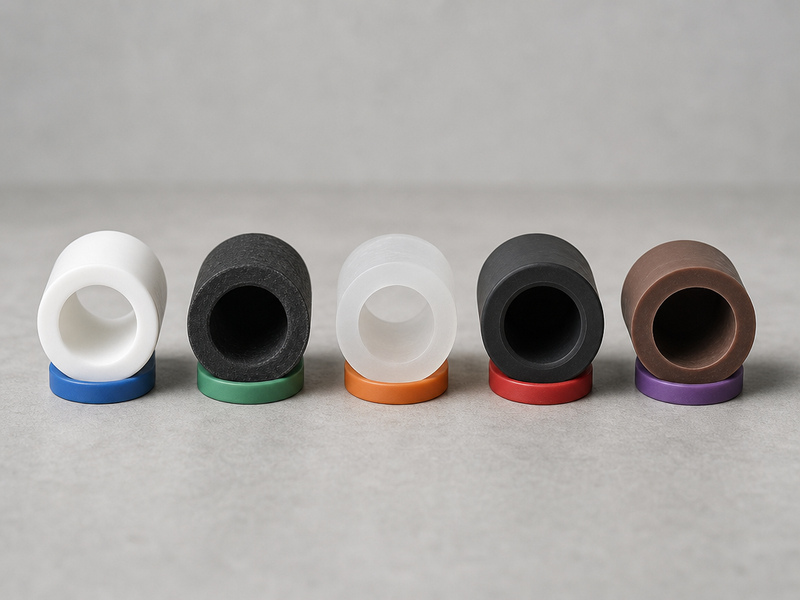
Figure 3. Each liner has one exclusion that usually decides the selection.
Table 6. Liner comparison: what each liner handles and its common exclusion.
| Liner | Handles | Common exclusion |
|---|---|---|
| PTFE | Strong acids, oxidizing acids, alkalis | Higher cost and stiffer handling than polyolefins |
| UHMWPE (UPE) | Dilute mineral acids, bases, salts | Strong oxidizing acids |
| XLPE | Dilute acids and alkalis, suction and discharge | Aromatic solvents |
| EPDM | Many acids, alkalis, hot water and steam | Oils, fuels, many hydrocarbon solvents |
| FKM | Many acids and hydrocarbons at temperature | Hot strong alkalis and low-molecular-weight esters and ketones |
Coupling Material on a Chemical Hose for Acids Assembly
The coupling sits in the same fluid as the liner, so it should be judged by the same rules. The notes below are boundaries for acid and alkali duty rather than a ranking. A full three-way comparison of stainless steel, polypropylene, and aluminum lives in the couplings material guide, which is a planned URL to publish before linking.
Aluminum is light and naturally non-sparking, but it is amphoteric, so it is unsuitable for strong alkalis and for some strong acids, and its resistance falls as temperature rises. Brass suits general water and fuel duty but is unsuitable for ammonia and ammonium compounds.
Stainless steel 316 has a broad chemical range and high strength, yet chloride service can pit it and cause stress corrosion cracking, so hydrochloric acid duty needs caution. Polypropylene covers a wide acid, base, and salt range at low cost, but its temperature and pressure limits are lower than metals, and it is not suited to strong oxidizers or to some aromatic and halogenated solvents.
Nylon handles many chemicals and solvents, while PVDF has a broad chemical range, high purity, and a higher temperature ceiling than PP at a higher cost. Gasket choice follows the same logic, whether the seal is a PTFE envelope, EPDM, or FKM. Flange ends must match one system, using EN 1092-1 for the PN system or ASME B16.5 for the Class system from NPS 1/2 to 24.
Verifying a Chemical Hose for Acids and Alkalis Selection
A matrix narrows the field; a verification pass closes it. Run the six checks below against the actual line before the order is placed, and record each answer next to the medium on the line sheet.
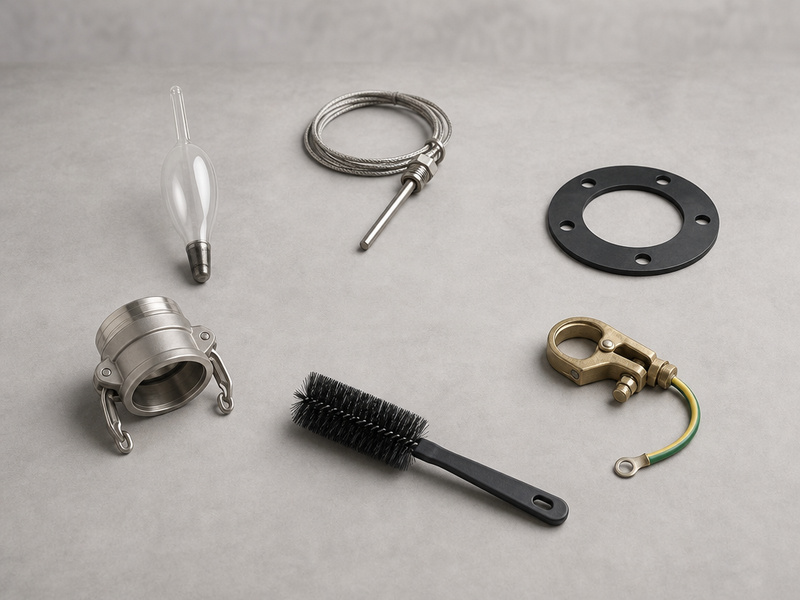
Figure 4. Six checks close the selection before a purchase order is placed.
Gasket and electrical classification deserve a second look. EN 12115:2021 classifies hose by electrical properties in four grades, tested to EN ISO 8031, with the M grade at no more than 10⁶ Ω and the Ω grade at no more than 10⁹ Ω. Where flammable liquids are present, bonding and grounding follow OSHA requirements for bonding and grounding.
Table 7. Verification checklist before a purchase order.
| Check | What to confirm | Why it matters |
|---|---|---|
| Concentration | Maximum working concentration of the medium | Sets whether a polyolefin or a PTFE liner fits |
| Temperature | Maximum and minimum service temperature | Sets the liner and gasket inside the rated band |
| Gasket | A PTFE envelope, EPDM, or FKM seal matched to the medium | A wrong gasket leaks even when the liner is correct |
| Electrical classification | The M or Ω grade to EN 12115:2021, tested to EN ISO 8031 | Governs bonding and grounding for flammable duty |
| Cleaning | Cleaning chemicals and the cycle temperature | Cleaning can be the most aggressive medium in the line |
| Coupling | Body material, thread, and flange system | The metal and flange system must match fluid and mating part |
Next Steps: From Matrix to Purchase Order
Aim the order at the service, not at a catalog family. State the medium, the maximum concentration and temperature, the liner family, the coupling and gasket materials, and the electrical grade. That package lets a supplier quote without guessing.
HENGHUA manufactures hose for acid and alkali service in UHMWPE (UPE), XLPE, and PTFE liners, plus rubber in EPDM and an oil-resistant synthetic grade. Reinforcement is high-strength textile, with an optional steel helix where the duty pulls vacuum. Threaded, flanged, camlock, and clamp ends are all available.
A system view keeps the parts working together. Before ordering, read the system guide for how hose, coupling, flange, clamp, and gasket should line up. Everything above is the chemical hose for acids and alkalis decision path: medium, concentration, temperature, liner, coupling, gasket, and electrical grade. A paired acid and alkali guide is planned for this site and should be published before linking.
For the wider material background behind these liners, the acid to PTFE comparison and the chemical hose range give the next level of detail. For a quote with samples that match your duty, send the medium and conditions through the contact form.
Chemical Hose for Acids and Alkalis FAQs
What should I check first when choosing a hose for acid and alkali service?
Start with the medium, then add concentration and temperature. The right chemical hose for acids and alkalis is chosen for a specific combination, not for the word acid or alkali. Record the maximum concentration and the maximum temperature on the line sheet first. Cleaning chemicals count as part of the duty. Only after those values are fixed should you compare PTFE, UHMWPE, XLPE, EPDM, and FKM liners. A plant operator, a distributor stocking a range, and a contractor writing a requisition all start from the same three values.
Is PTFE a universal answer for acid and alkali service?
No. PTFE covers aggressive and oxidizing duty, but it is not universal. Its limits are cost and handling, not chemical range, and a softer duty may be served more economically by UHMWPE or XLPE. Match the liner to the duty instead of defaulting to one material.
When is an EPDM liner a poor fit for alkali duty?
EPDM suits many alkalis, many acids, and hot water or steam, and it stays flexible. It is a poor fit where oils, fuels, or hydrocarbon solvents are present, because those media are its weak point. For a caustic duty mixed with a solvent, confirm the combination rather than the alkali alone. Check concentration and temperature too, since both shift the boundary.
Does concentration really change the liner choice?
Yes. Concentration pushes the medium across a material boundary. Dilute sulfuric acid is often handled by an XLPE or UHMWPE liner, while concentrated sulfuric acid moves beyond what a polyolefin covers. The same shift appears in alkalis, where rising concentration makes a harder duty. Always select on the maximum working concentration, not on a nominal or dilute figure.
How does temperature limit a hose for acid service?
Temperature speeds chemical attack and softens some polymers. For rubber and thermoplastic hose, the general working band under EN 12115:2021 runs from −20 °C to +65 °C, and a design pushed above it moves outside its rated basis. Record both the maximum service temperature and any cleaning cycle temperature, then compare liners.
Which coupling material suits hydrochloric acid?
The chloride ion is the reason a 316 stainless body is treated with caution: SS316 suffers pitting and stress corrosion cracking when chlorides are present. The body is usually non-metallic here, PP or PVDF, with a PTFE gasket. Aluminum is avoided because it is amphoteric. Match the body to the fluid first, then confirm the thread or flange system.
What gasket should be used with an acid and alkali hose?
Choose the gasket by medium and temperature, exactly as you choose the liner. A PTFE envelope gasket suits aggressive and oxidizing duty, while EPDM and FKM each fit the media inside their own boundary. A correct liner still leaks through a wrong gasket, so state both in the specification. For flange ends, keep the gasket in the same flanging system as the mating part.
How is electrical classification handled for flammable duty?
Flammable duty needs an electrical grade, not just a chemical match. EN 12115:2021 separates hose into four grades by electrical properties, and EN ISO 8031 is the test behind them: the M grade stays at or below 10⁶ Ω and the Ω grade at or below 10⁹ Ω. For flammable liquids, the OSHA rules on bonding and grounding apply. Write the grade into the line specification.
How should an acid and alkali hose be cleaned and verified?
Treat the cleaning chemical as a medium in its own right, because it is often more aggressive than the product. Record the cleaning agent, its concentration, and its cycle temperature. Verify the liner and gasket against both the product and the cleaning cycle. After cleaning, inspect for swelling, cracking, or a change in stiffness before returning the hose to service.
Can one hose serve both acid and alkali service?
Sometimes. PTFE covers a broad enough range to sit in mixed or alternating duty, which is why it appears across the matrix. Polyolefin liners stop short of strong oxidizing acids and aromatic solvents. If the same line sees acid, alkali, and cleaning chemicals, specify the widest liner and confirm the coupling and gasket as a set.
About HENGHUA
HENGHUA is a hose and coupling manufacturer supplying distributors, retailers, and OEM brands worldwide. The chemical hose line covers UHMWPE (UPE), XLPE, and PTFE liners together with rubber constructions in EPDM and oil-resistant synthetic rubber, built with high-strength textile reinforcement and an optional steel helix for suction duty. End connections include camlock (cam and groove), flange, threaded, and clamp styles. Factory-crimped assemblies, custom lengths, cover printing, and private label and OEM/ODM programs are available, under factory-direct pricing, short bulk lead times, and warranty.
Written by the HENGHUA technical team, hose and coupling engineers supporting acid and alkali transfer projects. Questions on a specific medium, concentration, or temperature envelope are welcome before an order is placed.






 English
  Spanish
  Portuguese
  French
  German
  Arabic
  Russian
  Indonesian
  Japanese
  Korean