
A steam hose temperature rating and a steam hose pressure rating mean little on their own. On saturated steam the two numbers are locked together by the saturation curve, so a hose that looks safe on pressure can still fail on temperature. Buyers must read both numbers from the same line of the same table.
This guide explains what each number measures, where the reference temperature behind a rating comes from, and why a catalog value describes the hose body rather than the finished assembly. It then shows how to cross-check both figures against published saturated steam data before an order is placed.
About a 14-minute read at 250 words per minute; how steam buyers bind a temperature rating and a pressure rating into a single decision.
Why the steam hose temperature rating and pressure rating must be read together
Water behaves unlike air or hydraulic oil. Above atmospheric pressure, water boils into steam at a temperature set by that pressure, and raising the pressure raises the steam temperature. That one relationship is why a temperature figure and a pressure figure travel together in any steam hose rating.
A buyer who reads only one number is taking a chance. A hose chosen on pressure alone may carry more heat than its tube compound can survive, while a hose chosen on temperature alone may sit above what its reinforcement can hold at that heat. The material side is covered in the EPDM steam hose guide; the rule below covers the pairing.
The rule for steam hose selection is to find the steam condition, read the saturation temperature for it, and then confirm the hose carries both the heat and the pressure at that point. A steam hose pressure rating is usable only when it states the temperature it applies at.
Two numbers also fail in different ways. A pressure value that ignores heat can pass a bench check and still age a tube quickly in service, while a temperature value that ignores pressure can hide a reinforcement that is too light for the header. Reading them apart produces a confident purchase that is quietly wrong.
Sellers rarely print one number without the other, yet buyers still separate them. The temperature appears in the tube and cover specification, and the pressure appears in the performance column. The two columns describe the same hose, so they must be read as a pair, never as a menu of independent limits.
What the steam hose temperature rating actually tells you
A steam hose temperature rating is the highest continuous service temperature the hose is built to survive. The tube compound sets that ceiling first, then the reinforcement and the cover can lower it again. Change any layer and the rating can change with it, which is why two hoses of the same bore may carry different figures.
The rating describes continuous service. A brief excursion above the ceiling is a separate condition that sits outside the rating. Heat ages the tube compound faster than pressure alone, so a hose pushed past its ceiling may survive the moment and still lose years of life. The temperature figure protects the wall, and the pressure figure protects the reinforcement.
For saturated steam the governing document is the ISO 6134:2024 standard. It defines two hose types and publishes a pressure and a temperature for each, with the reinforcement matched to the duty. The lower type uses a textile reinforcement, and the higher type uses steel wire.
Table 1. ISO 6134:2024 steam hose types and their published limits.
| Type | Maximum pressure | Corresponding temperature | Renfort |
|---|---|---|---|
| Type 1 | 0.6 MPa (6 bar) | 164 °C | Textile |
| Type 2 | 1.8 MPa (18 bar) | 210 °C | Steel wire |
Read the ISO 6134:2024 table as a pair. The 164 °C figure belongs to the 6 bar Type 1 hose, and the 210 °C figure belongs to the 18 bar Type 2 hose. Each maximum pressure travels with its own corresponding temperature, because the two types are built differently from the tube outward.
The reinforcement is the reason the two limits move together. A steam hose temperature rating therefore also tells you which construction sits behind the figure.
How is a hose pressure rating defined at a reference temperature?
Almost every hose catalog prints its pressure values at a reference temperature. The common industry reference is 70 °F (21 °C), and some vendors use 100 °F. That reference is a convention rather than a property of the hose, and it exists so that products from different suppliers can be compared on equal terms.
The reference matters because a hose is not equally strong at every temperature. As steam heats the wall, the allowable working pressure drops below the figure printed at the reference. The size of that drop follows published temperature-correction practice, which depends on the tube compound and the reinforcement.
The correction method is a topic of its own, and the pressure and temperature derating reference sets it out in full. Here the point is narrower: a pressure value is only meaningful beside the reference temperature it was set at.
Table 2. Reference temperature conventions used in published hose catalogs.
| Convention | Reference value | Effect on the printed figure |
|---|---|---|
| Common industry reference | 70 °F (21 °C) | Sets the base pressure most catalogs publish |
| Alternate catalog reference | 100 °F | Shifts the base, so values are not directly comparable |
This is why a quoted steam hose pressure rating should always be paired with the temperature at which it applies. A rating quoted on its own tells a buyer very little, because the same hose would carry a lower allowance in hot service than in cool service.
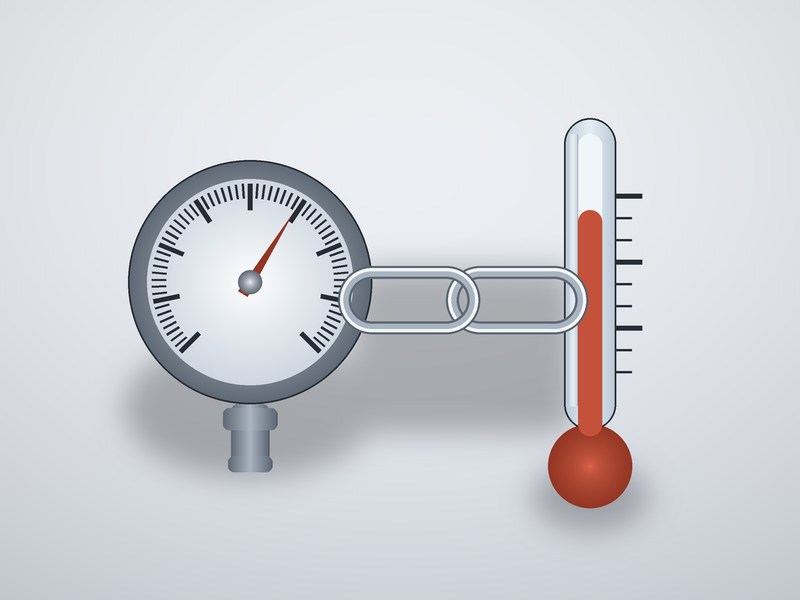
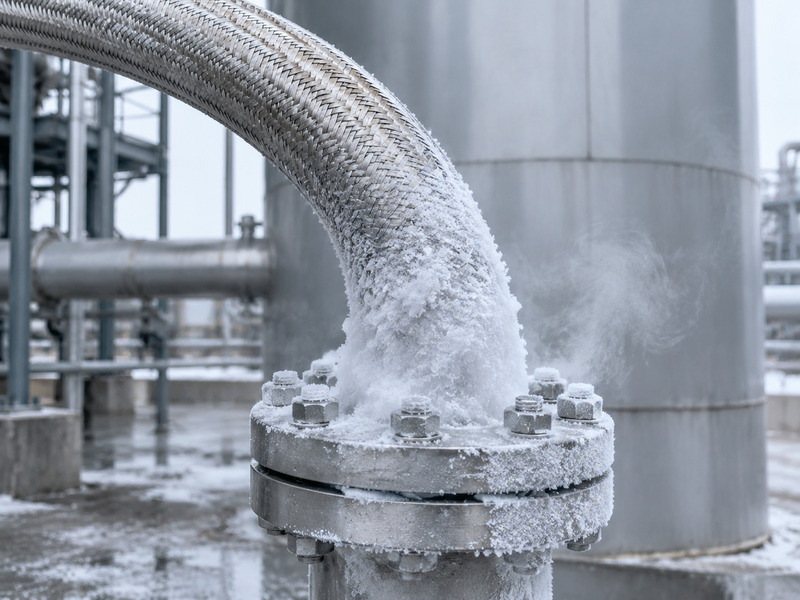
Figure 1. A steam hose temperature rating and a pressure rating are read as one pair, not as two separate limits.
How does the saturation curve lock steam pressure and temperature together?
In saturated steam, pressure and temperature are not independent choices. Each pressure maps to exactly one saturation temperature, and published steam tables list those pairs side by side. The table below uses gauge pressure, so absolute pressure is the gauge value plus about one atmosphere.
Table 3. Published saturated steam pressure and temperature pairs.
| Gauge pressure (bar g) | Absolute pressure (bar a) | Temperature at saturation (°C) | Temperature at saturation (°F) |
|---|---|---|---|
| 0 | 1.01 | 100.0 | 211.9 |
| 6 | 7.01 | 165.0 | 329.0 |
| 18 | 19.01 | 209.8 | 409.7 |
| 20 | 21.01 | 214.9 | 418.8 |
| 25 | 26.01 | 226.1 | 438.9 |
Use the table in one direction at a time. A plant that knows its header pressure reads straight across to the temperature, while a plant that knows the temperature it needs reads back to the pressure. Where a header pressure sits between two printed rows, read the temperature for the actual pressure, because the nearest row describes a different steam condition. The saturated steam chart covers the full set of columns, including specific volume and density.
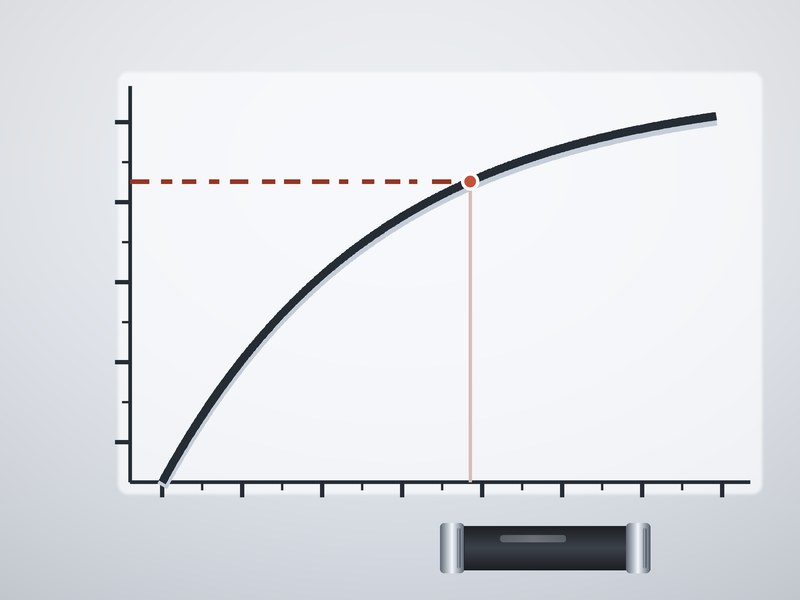
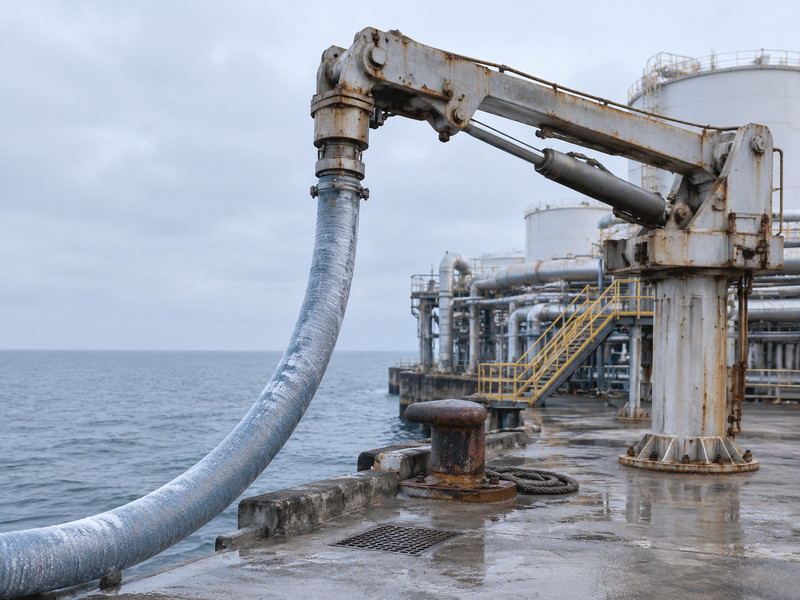
Figure 2. Reading a pressure value across to its temperature at saturation is the first step in checking either rating.
The 6 bar g row confirms the low-pressure class, where the temperature sits near 165 °C against the 164 °C figure in ISO 6134:2024. The 18 bar g row sits near 209.8 °C against the 210 °C figure. Those small gaps are rounding, not disagreement, and they show how the curve and the standard describe the same condition.
Once the pair is read, the hose check follows. Compare the temperature with the hose temperature rating, then confirm the pressure allowance at that temperature still covers the header. The two comparisons use one row of the table, so there is nothing to guess.
A pressure gauge alone is a poor buying tool in steam service. A gauge reading that looks comfortable on a cool day is a stated heat load on a steam line, and the hose must carry that load continuously.
How should a buyer read a steam hose temperature rating table?
A rating table is read from the service condition inward. Start with the steam pressure and its temperature at saturation, then move to the hose row for the bore you need. Check the temperature rating first, the pressure allowance at that temperature second, and the end connection third.
Table 4. Two ratings, two meanings, one shared decision.
| Rating | What it measures | Reference condition | Where it appears |
|---|---|---|---|
| Temperature rating | Highest continuous service temperature of the hose body | The tube, reinforcement, and cover combination | Tube and cover specification |
| Pressure rating | Highest allowable pressure of the hose body | A reference temperature, commonly 70 °F (21 °C) | Performance column of the catalog |
Two numbers on the same catalog line can disagree with a real duty in two different ways. A temperature that fits the hose but not the reinforcement, or a pressure that fits the reinforcement but not the tube, both point to a different construction. That is why a steam hose temperature rating and its pressure figure must come from one row.
The order of the checks matters less than doing all of them. A distributor works backward from the hose line, a plant engineer reads forward from a known header pressure, and a maintenance team starts from the part that failed. All three routes end in the same place, provided both numbers are confirmed together on the same line.
A common trap is the spare hose on the shelf. A hose bought for a cool line may look identical to one bought for steam, yet its tube and cover can differ enough to change the rating. Always read the current catalog line for the hose in hand rather than trusting a remembered figure.
Write both numbers down before you call a supplier: the steam pressure, the temperature at saturation, the steam hose pressure rating, and the pressure allowance. A short worksheet of those four values makes any mismatch obvious, because the figures sit on one line instead of across several documents.
How do working pressure and burst pressure relate to the assembly?
Catalog tables usually give more than one pressure column. The highest is burst pressure, the value at which the hose is expected to rupture in a controlled test. The level below it is the working pressure for service, and the gap between the two is a design margin rather than spare duty.
Burst pressure is verified by a hydrostatic test under ISO 1402, and the standard sets the ratio that a hose must survive rather than leaving the margin to the supplier. The working pressure and burst pressure comparison explains how the two columns differ and why neither replaces the temperature figure.
A caveat sits above both columns. A catalog rating describes the hose body, tested as a straight length. Once fittings are attached, the finished assembly can carry a lower limit, because the connection, its material, and the way it is fixed all take part in the pressure path.
Steam work commonly uses a bolted safety clamp for the connection, rather than a band or a plain clamp, because a banded joint can weaken the assembly below the body rating. That point is qualitative; always use the connection the hose maker specifies for steam service.
So the safe reading is a chain of three values. The temperature rating protects the tube, the pressure allowance protects the reinforcement, and the assembly rating protects the joint. Each link has to hold, because the weakest link sets the safe duty for the whole hose assembly.
Which construction and end connection match the two ratings?
The construction has to support both numbers at once. A textile-reinforced hose suits the lower steam class, and a steel-wire-reinforced hose suits the higher one, as the ISO types described earlier show. Choosing a construction that fits the temperature but not the pressure is a shortcut that fails in service.
The end connection belongs to the same decision. Fittings, flanges, and threaded ends each reach their own limits, and those limits must meet or exceed the hose rating. A hose that clears the steam duty can still be limited by a joint that cannot hold the same condition.
Temperature rating and pressure rating are often quoted for a range of bores, and the rating can fall as the bore grows. A large bore moves more steam but carries thinner walls relative to its opening, so its allowance may sit below a smaller hose of the same construction. Always read the row for the exact bore you plan to buy.
For background, the hydraulic hose temperature rating page explains how a service temperature ceiling is set for another hose family. It is useful when you compare how temperature limits are published across different products.
A worked example keeps the logic clear. Take a saturated steam line at 18 bar, where the temperature is about 209.8 °C. A Type 1 hose is out, because its ceiling is 164 °C and its maximum pressure is 6 bar. A Type 2 hose fits the condition, and the end connection must then match the same class.
Where a lower-temperature duty fits, a stock product can be a starting point. Our EPDM steam hose rated to 170 °C is a common choice for the lower steam class, and it keeps the same pairing rule in view.
What mistakes do buyers make when the two ratings are split?
The first mistake is buying on pressure alone. A hose may hold the header pressure at the reference temperature and still overheat its tube at the steam temperature, because the two conditions are not the same.
The second mistake is buying on temperature alone. A hose rated for the heat can still be under-reinforced for the header, so the pressure allowance at that temperature may fall short. The temperature figure protects the tube compound, not the reinforcement under it.
The third mistake is trusting a flexible hose that is braided but not rated for steam. A wire braid alone does not make a steam hose, and some braided products are clearly marked for other duties. Match the published steam rating rather than the look of the reinforcement.
The fourth mistake is ignoring superheated steam. There the temperature sits above the value that saturation would give, so the pair no longer fixes itself, and the hose must be rated for the higher dry-steam temperature. Our EPDM high-temperature steam hose rated to 230 °C covers that higher dry-steam class. The hose pressure at elevated temperature page covers how the allowance moves once the pair is broken.
The fifth mistake is forgetting the assembly. A correct hose with a weak connection still fails, and a joint rated below the body caps the whole assembly. Keep the body rating, the assembly rating, and the steam condition on one line before you buy.
What should a buyer confirm before placing a steam hose order?
Before an order goes out, place the steam pressure, the temperature at saturation, the steam hose temperature rating, and the pressure allowance on one line. If both hose limits clear that line, and the assembly matches the same limits, the selection is sound. If either limit falls short, the construction has to change.
A few minutes of checking avoids a failed hose and a stopped line. Send us three values: the steam pressure, the bore size, and your planned end connection. We will confirm the hose and the assembly rating against those figures and reply with the matching catalog line.
Table 5. A buyer cross-check that binds both ratings before ordering.
| Step | What to read | Why it matters |
|---|---|---|
| 1 | The steam condition and its pressure | Sets the temperature at saturation that follows |
| 2 | The temperature at saturation | Defines the heat the tube must survive |
| 3 | The hose temperature rating | Confirms the tube and cover can take that heat |
| 4 | The pressure allowance at that temperature | Confirms the reinforcement holds the header |
| 5 | The end connection and assembly rating | Confirms the joint does not cap the hose body |
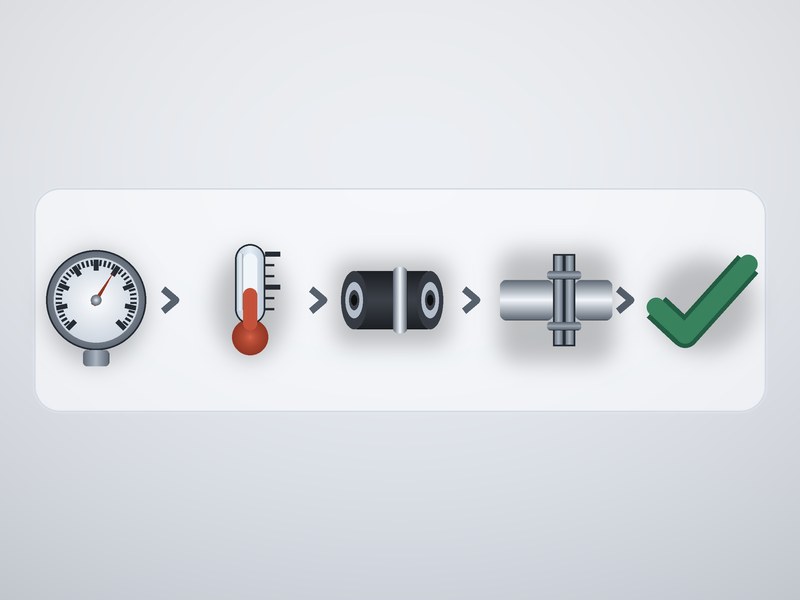
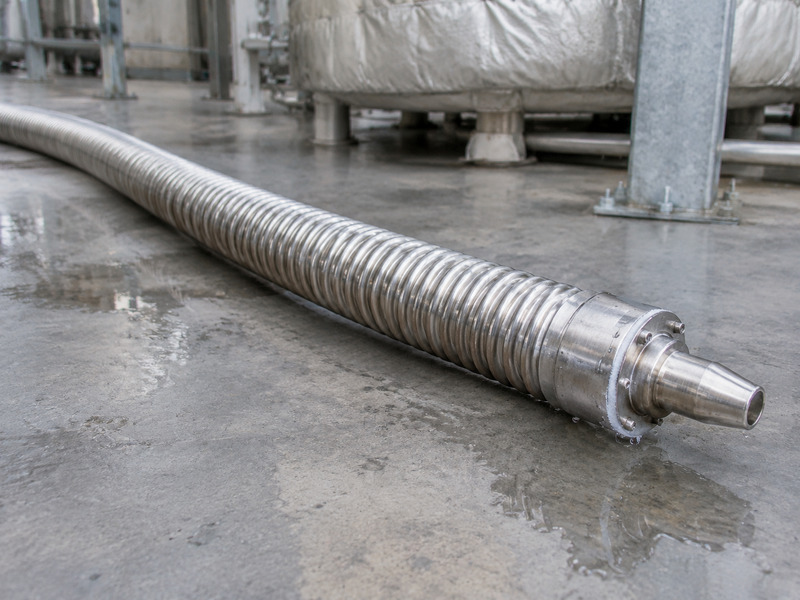
Figure 3. A buyer verifies the steam condition, the temperature, the pressure, and the end connection before ordering.
Steam Hose Temperature Rating vs Pressure Rating FAQs
Does a higher steam pressure always mean a higher temperature?
Yes, for saturated steam. Each pressure on the saturation curve maps to one temperature, and the temperature rises as the pressure rises. At 6 bar g the temperature is about 165 °C, and at 18 bar g it is about 209.8 °C. A higher pressure therefore also means the hose must tolerate more heat.
Can I select a steam hose on pressure rating alone?
No. A pressure value without a temperature hides the real duty. Saturated steam at a given pressure also has a fixed temperature, so the hose must hold both at once. Match only the pressure and you may exceed the hose temperature rating; match only the temperature and you may exceed what the reinforcement carries at that heat. Read the two together.
Can I use a hose with a higher temperature rating on a lower-pressure steam line?
A pressure rating and a temperature rating describe the same construction, so a higher temperature rating does not raise the pressure the hose will carry. In the ISO 6134:2024 classes the two limits are published as one pair, and the reinforcement sets both. Match the published pair for the class your steam condition falls in.
What does saturation temperature mean for hose selection?
The saturation temperature is the level at which water boils into steam at a given pressure. For saturated steam it defines the heat the hose must survive, because pressure and temperature move together. Once you know the header pressure, this value tells you which hose temperature class applies before you look at any pressure column.
Is the catalog pressure rating for the hose or the assembly?
The published rating covers the hose body on its own, measured as a single straight length. Once ends are fitted, the joint becomes part of the pressure path, so the assembly can hold less than the body. For steam work, ask for the rating of the finished assembly and confirm the end connection matches it.
Why are hose pressure ratings given at a reference temperature?
A catalog states its pressure values against a base temperature so that different makes can be lined up on one scale. That base is usually 70 °F (21 °C), while a few vendors work from 100 °F. Above that base the allowable pressure falls under published correction practice. Without it, two figures cannot be compared fairly.
What is the difference between ISO 6134 Type 1 and Type 2?
ISO 6134:2024 separates saturated steam hose into two types. Type 1 is the low-pressure type, with a maximum pressure of 0.6 MPa (6 bar) and a corresponding temperature of 164 °C, using a textile reinforcement. Type 2 is the high-pressure type, at 1.8 MPa (18 bar) and 210 °C, using a steel wire reinforcement.
What happens if a hose runs above its temperature rating?
Running above the temperature rating shortens hose life quickly. The tube compound softens and ages faster, the bond between layers weakens, and the cover can crack. On steam the failure can arrive suddenly, because the internal pressure stays high while the wall weakens. Staying inside both the temperature rating and the pressure allowance is the dependable choice.
Do I need a different hose for superheated steam?
Superheated steam sits above the temperature that saturation would give for its pressure, so the curve no longer fixes the pair. That duty needs a hose rated for the higher dry-steam temperature, and the pressure allowance must be checked against that temperature. A hose that suits saturated steam will not automatically suit a superheated line.
How do I verify both ratings before placing an order?
Write the steam condition down first: the pressure, and whether it is saturated or superheated. Read the temperature at saturation for that pressure, then compare it with the hose temperature rating and the pressure allowance at that temperature. Confirm the construction, the end connection, and the assembly rating. Only then release the order.
About HENGHUA
HENGHUA is a professional hose and fittings manufacturer supplying distributors, retailers, and OEM brands worldwide. The steam hose line centers on an EPDM tube, matched with a textile or steel wire reinforcement, and a cover finished with pin-pricking for steam service. Catalog steam products include an EPDM steam hose rated to 170 °C and an EPDM high-temperature steam hose rated to 230 °C.
End connections can be supplied as clamped safety couplings, flanges, or threaded ends to suit the duty. Factory assemblies, custom lengths, sheath printing, private label, and OEM/ODM are available. Commercial terms include factory-direct pricing, short lead time on volume, and warranty.
 English
 Spanish
 Portuguese
 French
 German
 Arabic
 Russian
 Indonesian
 Japanese
 Korean