

A steam hose 250 psi rating means the hose is built to carry saturated steam at a gauge pressure of 250 psi, which is about 406 °F (roughly 207 °C). The number is a pressure and a temperature at once, it describes the hose rather than the completed assembly, and it is a service ceiling rather than a failure point.
This guide takes those three points in order. It covers what the number belongs to, how the saturation curve fixes the temperature, why one hose is labeled differently for superheated duty, and where a system can quietly exceed a rating that looked generous.
About a 15-minute read at 250 words per minute; the tables are sized for a quick scan.

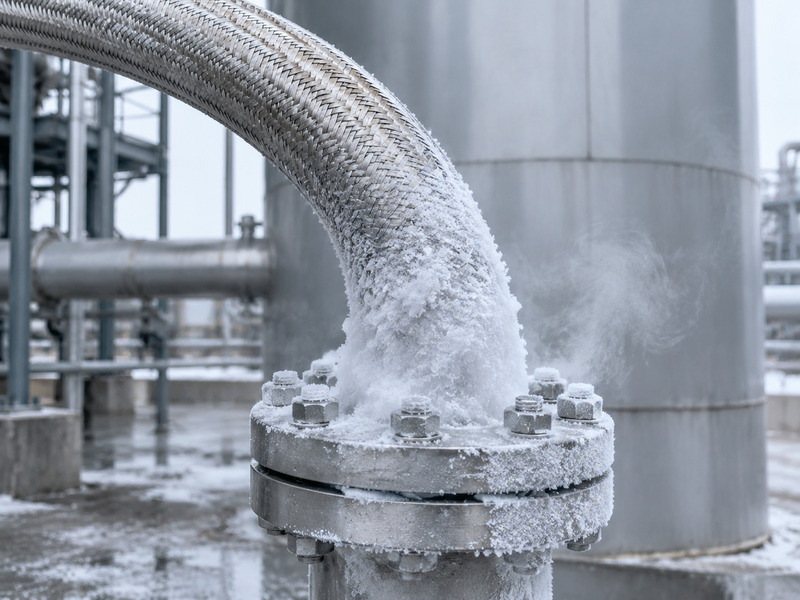
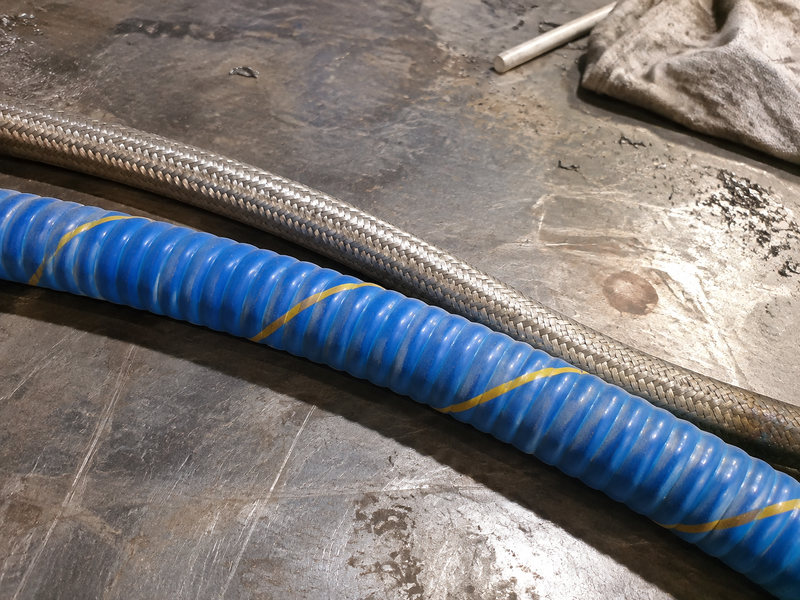
Figure 1. The rating is printed on the hose. The end connection, the clamp and the assembly workmanship are separate variables, and the hose marking covers none of them.
What Does a 250 psi Rating on a Steam Hose Actually Mean?
A working pressure rating states the highest pressure the hose should see in continuous service at the temperature that goes with it. It is not a target and not a strength figure. It is the ceiling the hose was compounded and reinforced to hold while it is hot, wet and under load.
Each figure on a label answers a different question, and buyers who treat them as interchangeable compare numbers that were never meant to be compared.
Table 1. What each figure on a steam hose label refers to.
| Figure on the label | The question it answers | What it does not tell you |
|---|---|---|
| Diamètre nominal | Which size the fitting and the flow calculation are built around | Nothing about pressure capability |
| Pression de service | The highest continuous service pressure, at the paired temperature | Whether the assembled ends can hold that pressure |
| Burst pressure | The margin built into the construction | The pressure to operate at |
| Plage de températures | The band the compound was selected for | Whether the duty is saturated or superheated steam |
| Minimum bend radius | How tightly the hose may be routed | How much load the run puts on the clamps |
Why the Number Belongs to the Hose and Not the Assembly
The 250 psi figure is established on the hose alone, under the test conditions that ISO 6134:2024 defines. A finished assembly adds a coupling, a clamp or a ferrule, and each of those carries its own limit. The assembly is rated at the lowest of them.
That is the most useful habit to build around a steam hose. When a specification claims the assembly is good for 250 psi, the honest question is which component set that ceiling.
Why a Higher Number on a Nearby Product Is Not Safer
A hydraulic hose of the same bore often carries a working pressure several times higher. That figure is real, and it describes a different fluid at a different temperature. A nitrile-family tube is not built for continuous contact with hot water and steam.
The comparison to avoid is between two headline pressures. The comparison that works is between two complete duty conditions: pressure, fluid, temperature and operating routine. Steam is the one duty where the hose with the biggest number on the shelf is often the wrong one.
Why a Steam Hose 250 psi Rating Always Comes With a Temperature
Saturated steam exists at exactly one temperature for each pressure. At 250 psi that temperature is fixed, so a steam hose 250 psi rating is a paired statement even when the label shows only the pressure.
The saturated steam temperature is therefore not a second choice to be made. It is the same fact written in the other unit. Two suppliers can both be right while quoting different temperature limits for what looks like one pressure, because one is describing saturated duty and the other is describing superheated duty.
What Is the Temperature of Saturated Steam at 250 psi?
The curve climbs steeply at low pressure and flattens as pressure rises. Reading it at the maximum working pressure of the hose gives the duty temperature directly.
Table 2. Saturated steam temperature at common gauge pressures, with the 250 psi rating marked.
| Gauge pressure | Saturation temperature | Typical duty at that point |
|---|---|---|
| 72 psi (5 bar) | About 318 °F (159 °C) | Steam lances and small cleaning loads |
| 116 psi (8 bar) | About 347 °F (175 °C) | Plant headers and process heating |
| 145 psi (10 bar) | About 363 °F (184 °C) | Most industrial steam distribution |
| 203 psi (14 bar) | About 388 °F (198 °C) | Process steam and tank heating |
| 250 psi (17 bar) | About 406 °F (207 °C) | The working rating discussed in this guide |
| 261 psi (18 bar) | About 410 °F (210 °C) | The top of the high-pressure rubber envelope |
Read the table as a specification, not a conversion chart. A hose rated at 250 psi is a hose rated for saturated steam at about 406 °F. A duty quoted at any other temperature for that same pressure describes a condition saturated steam cannot produce.

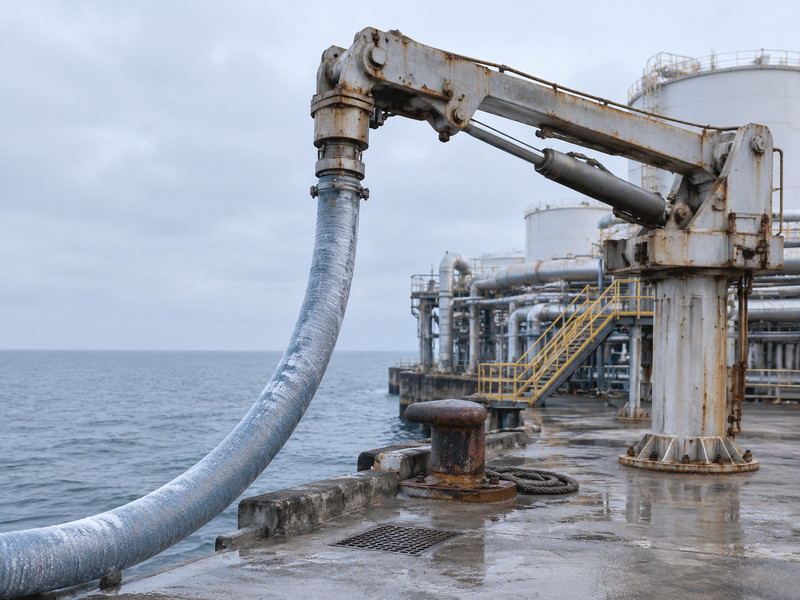
Figure 2. A steam hose 250 psi rating marks a point on the saturation curve rather than a band. Moving the pressure moves the temperature with it.
Where Saturated Steam Stops and Superheated Steam Begins
Superheated steam is steam heated above its saturation temperature at the same pressure. Once a duty is superheated, the pairing that produced the 250 psi figure no longer applies.
Three signals identify it. A quoted duty temperature above the saturation point for the stated pressure is superheated. A hose offered for a very high continuous temperature at a moderate pressure is usually a superheated product. Radiant heat from nearby pipework is the third route, because it raises hose temperature without raising internal pressure.
How a Steam Hose 250 psi Rating Is Set by the Saturation Curve
The rating is chosen at a point on the curve, and the construction is then built to hold that point. The lining is compounded for continuous hot water and steam, and the reinforcement carries the pressure.
Because the point is fixed by the curve, one physical hose can legitimately appear under two labels. A saturated label and a superheated label describe two different operating envelopes for the same construction.
Why the Same Hose Carries Two Different Duty Labels
Industry practice commonly pairs a saturated figure with a superheated figure for one product. The saturated figure sits at the saturation temperature for that pressure. The superheated figure sits higher, because the steam is no longer pinned to the curve. Industry practice therefore publishes the same hose as 250 psi at 406 °F for saturated duty and 250 psi at 450 °F for superheated duty, both correct for the duty each describes.
Use the two labels by identifying which duty the plant actually runs, then reading the number that belongs to it. The labels are not a range with a comfortable middle. They are separate envelopes, and the operating routine and inspection interval belong to the one you chose.
Why Pressure Capability Falls as Temperature Rises
Rubber softens and loses strength as it gets hotter, so the pressure a construction holds declines as duty temperature climbs. Because the saturated steam temperature rises with pressure, a hotter saturated duty is also a higher-pressure duty on the same hose.
Three effects work together. The lining modulus drops, so it deforms more under the same internal load. The bond to the reinforcement is worked harder as the two materials move differently. The reinforcement itself is derated at the top of its range.
What the Burst Pressure Rating Next to 250 psi Tells You
The burst pressure rating is the pressure at which the construction is expected to fail. It exists to show the margin rather than to set an operating limit. On published figures for this class, a 250 psi working rating sits beside a burst figure near 2,500 psi, a ratio of roughly ten to one.
That margin is deliberately wider than the one common in general industrial hose duty. The reason is the consequence: a steam release scalds, so the construction is given more room between working and failure.
Table 3. Working, proof and burst pressure in a 250 psi steam hose.
| Figure | Typical published value or relation | What it is used for |
|---|---|---|
| Pression de service | 250 psi (17 bar) | The continuous service ceiling at the paired temperature |
| Pression d'essai | A test pressure above the working rating | The hydrostatic test each length receives before dispatch |
| Burst pressure | About 2,500 psi (170 bar) | The design margin, verified on samples rather than on every length |
Why a Generous Burst Margin Is Not Extra Working Capacity
The burst pressure rating describes failure rather than service, which is why it cannot be spent as capacity. A pressure spike, a fast valve movement or a condensate slug sends a transient load through the assembly that can exceed the working pressure for a moment. The margin covers that moment.
The distinction bites when a plant raises header pressure and argues the hose has room, or when a rated hose is ordered for a duty above its published point because the burst figure is several times higher.
Why the Assembly Rating Is Lower Than Either Figure
The assembly inherits the lowest rating among its parts. A hose at 250 psi, a coupling rated lower and a clamp selected for the bore produce an assembly whose honest rating is the lowest of them.
That is why the answer to a 250 psi question is rarely a single number. It is a short list: the hose rating, the coupling rating, the clamp type and the attachment method.
Why 250 psi Is the Hose Rating and Not the Assembly Rating
This is the point behind the most expensive mistakes in steam service. The hose rating is established by the hose maker under a defined test. The assembly rating is established by whoever built the assembly, from the parts used and the method applied.
The gap between the two is not a technicality. A steam assembly is joined at the ends, and the ends are where thermal cycling does its work.
Table 4. Which component sets the ceiling in a steam hose assembly.
| Component | What sets its limit | What to confirm |
|---|---|---|
| Tuyau | The published working pressure at the paired temperature | That the marking is readable and matches the duty |
| Coupling | The body material, the seat type and the thread form | That the coupling rating is at least the hose rating |
| Clamp | The clamp family and the bolt kit it was built for | That the clamp matches the interlocking feature of the coupling |
| Attachment | Whether the joint can be re-tightened after heat cycling | That the method suits a hose that will creep at temperature |
The Lowest-Rated Component Rule in Practice
The NAHAD assembly guidelines state the rule plainly. Rate the assembly by the lowest-rated component in the system, whether that is the hose, the coupling, the clamp or the ferrule. Applied to a 250 psi hose, the rule says the assembly figure can only go down.
The rule changes what you ask a supplier. Instead of requesting a 250 psi assembly, state the duty, say how it will be run, and ask which component set the ceiling.

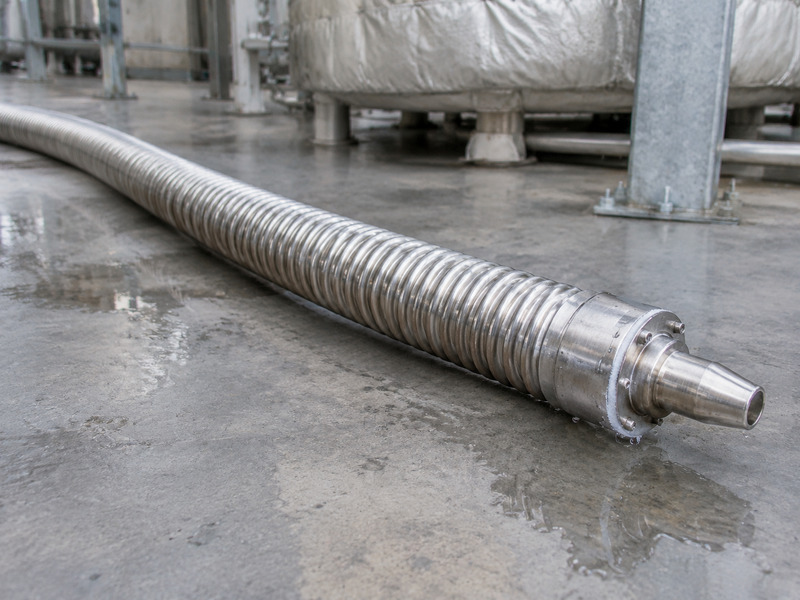
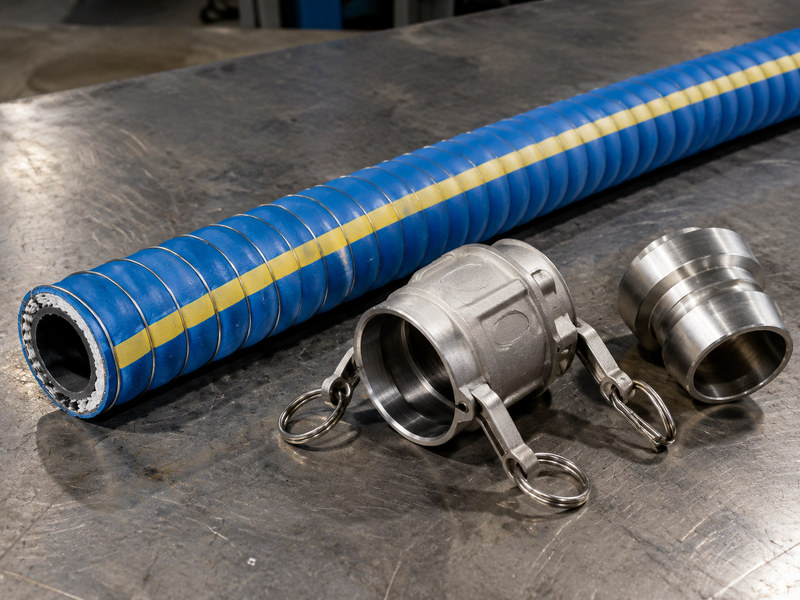
Figure 3. The rating of an assembly is set at its ends. The hose figure does not cover the coupling, the clamp or the way the joint was made and checked.
How Heat Cycling Reduces the Useful Steam Hose 250 psi Capacity
At steam temperature the tube and the cover soften, and the rubber held under an end connection takes compression set. A joint that gripped correctly at ambient temperature holds less load after the first heat cycles, because the material changed rather than because it was assembled badly.
This is material behavior rather than a defect, and it is why ISO 6134:2024 calls for an end fitting whose clamping force can be adjusted. Adjustability restores grip after the rubber has taken its initial set.
What Compression Set Does to a Joint
Compression set is the permanent deformation rubber keeps after a load is removed. Under a clamp or a ferrule the rubber is held compressed, and at temperature it gradually stops pushing back. The clamping load falls with it.
The countermeasure is procedural and cheap. Check and re-tighten the joint after the first operating cycles, then check again at each scheduled inspection. An end connection that cannot be re-tightened has no way to recover the load.
Why the Limit Falls Before the Hose Looks Worn
The fall in clamping load happens inside the joint, where nothing is visible. The hose can look new while the condition that holds the pressure has already degraded.
The routine is a visual pass plus a joint check. Look at the cover for blisters, hardening or cracks. Look at each end for tail movement, rubber extruded past the clamp, or a bolt that has lost its torque. Any of those findings takes the assembly out of service.
How to Check a Steam Hose 250 psi Rating Against Your System
Checking a rating takes a few minutes and prevents most mis-specification. Start with the system rather than the catalog, because the system defines the duty and the catalog only answers it.
Work through four questions in order: the highest pressure the system can deliver, the steam condition at the point of use, the bore and length the tool needs, and the thread on the connection.
Table 5. What the rating question becomes for each common duty pattern.
| Duty pattern | What the real question is | Ce qu'il faut vérifier avant de passer commande |
|---|---|---|
| Utility station, intermittent | Whether peak or normal pressure sets the ceiling | That the relief setting sits inside the rating |
| Continuous process steam | Whether the duty is saturated or superheated | That temperature and pressure belong to one envelope |
| Cleaning and lance work | Whether handling or pressure sets the practical limit | That bore and bend radius suit the way it is moved |
| Tank and vessel heating | Whether condensate volume changes the bore needed | That the run drains rather than holding a pocket |
The Two Numbers a Supplier Should Ask You For
A supplier who understands steam asks for two numbers before quoting: the maximum working pressure the system can deliver, and the steam condition at the point of use. Together they define a point on the curve, and that point selects the product.
If a supplier quotes a pressure without asking for the steam condition, the temperature has been assumed. The assumption may be right, and it should still be stated, because the temperature is what the compound was chosen for.
Where a 250 psi Rating Sits in the Published Envelope
A 250 psi maximum working pressure rating sits inside the high-pressure rubber envelope for this class. That saturated-steam envelope closes at the 18 bar and 210 °C pairing that ISO 6134:2024 treats as its top type, so the saturated steam temperature ceiling belongs to the standard rather than to one maker’s range.
A saturated duty below that ceiling is a rubber hose duty. A saturated duty above it belongs to a different product family and should be specified as one. Our published steam hose 250 psi range is intended for duties inside that envelope.
Steam Hose 250 PSI FAQs
Does a 250 psi rating mean the hose can run at 250 psi at any temperature?
No. The rating pairs a pressure with a temperature, and the temperature follows the saturation curve. At 250 psi, saturated steam is about 406 °F. The same hose carries a different limit in superheated duty. Operating at 250 psi while ignoring the temperature describes a condition the rating never covered, so the figure stops being a rating.
Why does one hose show two different temperature limits in different catalogs?
Because one limit describes saturated steam and the other describes superheated steam. In saturated duty the temperature is pinned to the pressure by the curve, so the ceiling is a property of the duty. In superheated duty the steam is hotter than the saturation point, and the ceiling becomes a property of the compound.
Is 250 psi the same as 17 bar?
Very nearly. The conversion is about 17.2 bar, and published tables quote the rating as 17 bar and 250 psi together. The difference in the second decimal is rounding rather than a rating difference. What matters for selection is the pressure and temperature pair, not the unit it is written in.
If the burst figure is many times higher than 250 psi, can I run the hose above its rating?
No. The burst pressure rating shows the margin the construction carries, and that margin absorbs pressure spikes and condensate impacts. It is not spare working capacity. A steady pressure above the published rating puts the hose outside the condition it was designed, compounded and proof-tested for.
Does the rating cover the couplings and clamps as well as the hose?
No. The hose rating is established by the maker under a defined test. A finished assembly takes the lowest rating among the hose, the coupling, the clamp and the attachment method. Assembly practice states this as the lowest-rated component rule, so a specification should ask which component set the assembly ceiling.
What temperature is saturated steam at 250 psi?
About 406 °F, or roughly 207 °C, at a gauge pressure of 250 psi. The same curve gives about 363 °F at 145 psi and about 388 °F at 203 psi. Because the relationship is fixed, a duty temperature quoted at 250 psi that differs from this is usually describing superheated steam.
Why does pressure capability fall as the duty gets hotter?
Rubber loses stiffness and strength as its temperature rises. The lining deforms more under the same load, the bond to the reinforcement is worked harder, and the reinforcement is derated at the top of its range. One construction therefore carries a higher pressure at a cooler duty and a lower one at a hotter duty.
How often should an assembly on a 250 psi line be checked?
Check the couplings before the assembly goes into service, and at least once every 24 hours during long periods of continuous steaming. Follow the plant’s scheduled interval beyond that, and re-tighten the joints after the first heat cycles. Blisters, hardening, kinking, loose fittings and any visible steam leak are withdrawal conditions.
Does a 250 psi hose need a different end connection from a lower-rated one?
The connection family is chosen for the duty rather than for the pressure figure. Steam excludes quick-release couplings outright, and it calls for an end fitting whose clamping force can be adjusted to compensate for rubber creep. A lower-rated steam hose has the same requirement.
About HENGHUA and Steam Hose Supply
HENGHUA manufactures steam hose, industrial hose and hydraulic hose for plants, distributors and equipment builders worldwide. The steam range uses an EPDM tube and a high-tensile steel wire reinforcement, with an evenly pin-pricked cover so gas that permeates the wall can vent instead of lifting the cover.
Published figures for the high-pressure construction are a 250 psi (17 bar) working pressure, a 2,500 psi (170 bar) burst pressure and a ratio near ten to one, across a 3/8 in to 4 in bore range.
On the fittings side, the range covers the ground joint coupling family and bolted safety clamps, and an assembly can be crimped or built with clamps and matching tails. Custom lengths, printed covers, private label and OEM orders are available, and each production length is proof-tested before dispatch. Two things we tell buyers plainly: a working rating is only valid inside an envelope, and an assembly is only as good as its weakest part.
If you know the maximum pressure the system can deliver, the steam condition at the point of use, the bore and length you need and the thread on the connection, send us those four things. We will confirm the product and the end connection, and we will say so when the duty belongs to another family instead. Please get a quote and free samples, or review the steam hose category and the EPDM steam hose 170 °C page.
For the wider picture on how a steam hose is built and what steam does to a rubber tube, the saturated steam hose guide covers the material and standard side. The working pressure versus burst pressure guide explains how a design margin is set, and the steam 250 series product notes carry the full size matrix. Our steam hose inspection checklist sets out the checks that keep an assembly inside its rating.
About the author: Written by the HENGHUA Engineering Team, hose application engineers and assembly specialists supporting hose selection, end connections and pressure testing for industrial, marine, food processing and mobile equipment customers. The steam limits here reflect our production and field service experience with both steam hose constructions, together with the pressure testing and batch traceability records held for every shipment.
 English
 Spanish
 Portuguese
 French
 German
 Arabic
 Russian
 Indonesian
 Japanese
 Korean